
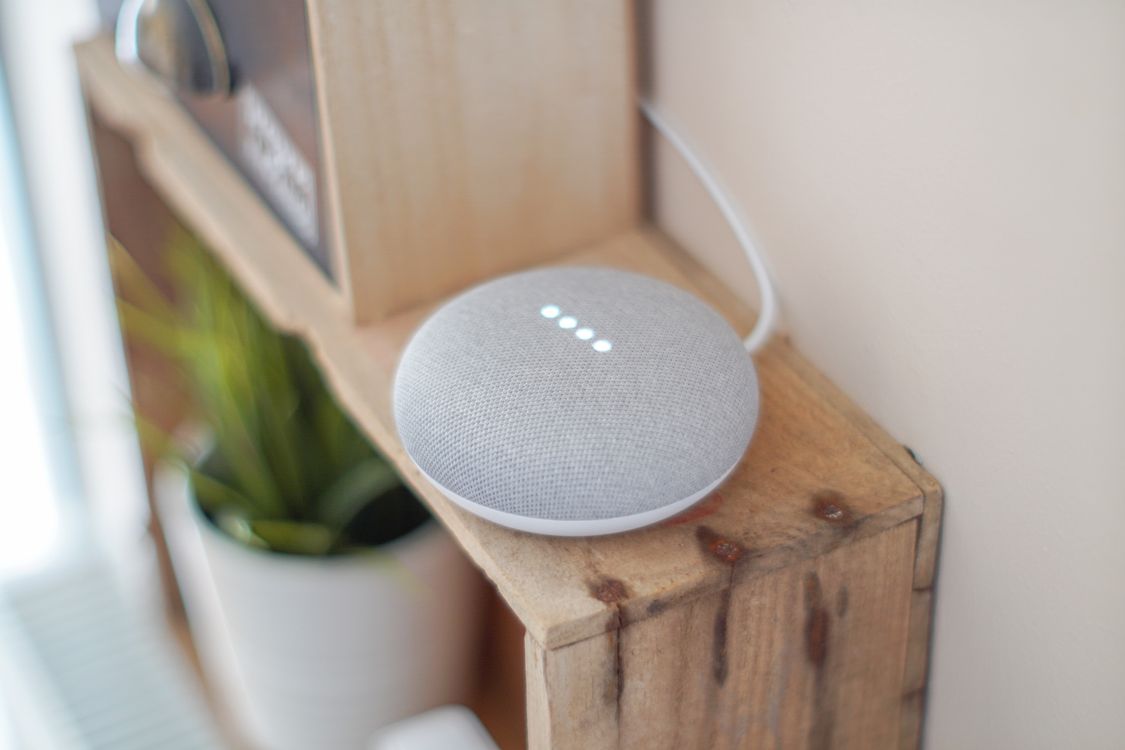
Google has just pushed out one of the biggest Google Home updates of the year, and it touches almost everything in the house. The Google Home November 2026 update, announced on November 17, 2026, lets Android users unlock their front door with a phone, makes Gemini for Home noticeably faster, gives Nest thermostat owners a clear view of what they have saved, and finally opens the door to cheaper third-party room sensors. Some features are rolling out now and others arrive in December, so here is what is new, what works today, and what to wait for.
Your phone is now your house key
The headline feature is digital home keys in Google Wallet. Android users can now add a home key from the Google Home app to Google Wallet and unlock a compatible smart lock by tapping the back of the phone against it, or simply by walking up to the door. The tap-to-unlock option uses NFC and works on Android phones running Android 9 or later, even when the phone is locked. The hands-free option, called Unlock on Approach, uses ultra-wideband and opens the door automatically as you walk up — but it is off by default, and it needs both a compatible lock and a newer phone.
The feature is built on Aliro, a new open access standard from the Connectivity Standards Alliance, the same group behind Matter. That matters because it is not a Google-only trick: Apple and Samsung are among the backers of the same standard, so the idea of a phone key that works across brands is finally becoming real. The key belongs to the home in the Google Home app rather than to a single lock, so one key in Wallet can open every compatible lock in that home.
There are real limits at launch. Only three smart locks are supported to start with: the Aqara U400, which handles both NFC tap-to-unlock and ultra-wideband unlock on approach; the Schlage Sense Pro, which supports NFC at launch with ultra-wideband to follow; and the Nuki Keypad 2 NFC. Google says more locks are coming, but it has not named them or given a date. You also need a Matter-enabled Google hub that acts as a Thread border router — a Nest Hub (2nd gen), Nest Hub Max, Nest Wifi Pro or Google TV Streamer — and for the hands-free option Google lists the Pixel 10 Pro and later models, running Android 17 or later. Wear OS smartwatches are not supported at launch.
Availability is the other catch. The rollout started on November 11, 2026, for users enrolled in the Google Home Public Preview programme, and Google says it will reach everyone over the coming weeks. If you own a supported lock and still cannot see the option, you are probably just waiting for the wider rollout.
Nest thermostats finally show what they save you
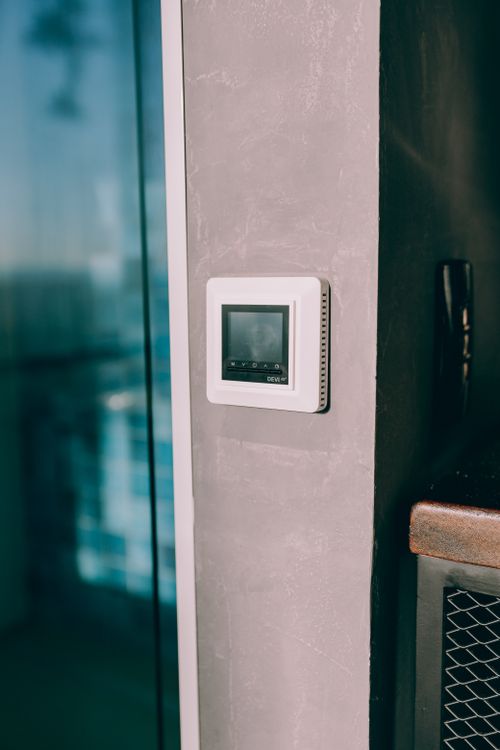
The second big change is for Nest thermostat owners in the United States and Canada, and it arrives in December. Starting next month, the Google Home app will show estimated cumulative savings from your thermostat in the Climate space, the thermostat controller and the Favorites widget. Google has long claimed its thermostats save energy; now it will put a dollar figure on it.
Treat that number for what it is. Google’s own footnote says savings are an estimation and actual savings vary by home, climate and usage. It is Google’s model of what you saved, not a figure from your utility bill. Your real savings still depend on your energy rates, your home and how you set the schedule. Even so, a running total in the app is a useful nudge — and for households trying to cut winter heating bills, it turns an abstract claim into something you can check.
The same December update brings a change that could save real money up front. The fourth-generation Nest Learning Thermostat will finally work with compatible third-party Matter temperature sensors, so you are no longer limited to Google’s own sensor to fix hot and cold spots around the house. Google names IKEA, Eve and Aqara as compatible brands. That matters on price: Google’s own Nest Temperature Sensor sells for $39.99, while IKEA’s TIMMERFLOTTE temperature and humidity sensor costs $11.99. Fitting a sensor in every bedroom suddenly costs a fraction of what it did.
With the sensors paired, you can view live room readings in the Google Home app, average temperatures across several rooms, schedule which sensor to prioritise at different times of day, and trigger smart home automations from them. One warning: this only works on the Nest Learning Thermostat (4th gen), the model Google launched in 2024. Older Nest thermostats will get the savings view, but not third-party sensor support.
Gemini for Home gets faster — and goes global
Google’s voice assistant is the third pillar of the update. Google says Gemini for Home now handles everyday requests up to 20 percent faster, and it does a better job of focusing on your voice commands even when there is background chatter. For Early Access users, timers, alarms and media sleep timers respond faster, Broadcasts play more quickly across speakers and displays, and Gemini now asks a quick clarifying question instead of guessing when several devices match a request.
The reach is growing too. Next month, Gemini for Home expands to six new countries: India, Taiwan, Singapore, Colombia, South Korea and Brazil. Google says that with this rollout, Gemini for Home will be available in every country where it has previously sold its speakers and displays. Google Home Premium subscribers also get an upgraded Gemini Live experience, built on a newer speech-to-speech architecture that promises faster response times, more natural interruptions and the ability to perform smart home actions mid-conversation.
Smarter camera alerts — and fixes for older Nest cameras
Security gets two quieter upgrades. Google Home Premium Advanced now detects audio, such as barking dogs or breaking glass, in motion-triggered camera and doorbell event descriptions. Instead of a generic motion alert, the description can now tell you what the camera heard as well as what it saw.
The November 11 release notes also include fixes for owners of older Nest cameras. Software updates for the first-generation Nest Cam Indoor and Outdoor, the wired first-generation Nest Doorbell (the original Nest Hello), and the Nest Cam IQ Indoor and Outdoor are migrating those devices to the Google Home app. If an older Nest camera keeps failing to load its live view, this update is the one to watch for. Google also added Eco Mode Everywhere, which switches every Nest thermostat in a home to Eco mode with a single press, and expanded support for more device types, including fans, air purifiers, robot vacuums, lighting effects, kitchen appliances, EV chargers and smoke and carbon monoxide alarms.
How to get the November update

Most of this arrives through the Google Home app, so the first step is simple: update the app from the Play Store or the App Store. Google says it releases Home updates every couple of weeks and that some features take time to reach everyone, even on the latest app version, so do not panic if a feature is missing on day one.
For digital home keys, you need to be enrolled in the Google Home Public Preview programme, own one of the three supported locks, and have a Matter-enabled Google hub acting as a Thread border router. Set the key up from the Google Home app, then add it to Google Wallet. If the option is not there, the wider rollout has not reached you yet.
For the Nest thermostat changes, there is nothing to install in November — the savings view and third-party sensor support are scheduled for December in the US and Canada. If you own a fourth-generation Nest Learning Thermostat and have been waiting to buy room sensors, it is worth waiting until December and checking Google’s compatibility guidance before spending money.
What happens next
The November update is really two updates in one: the home keys and Gemini speed improvements landing now, and the Nest thermostat savings and sensor support arriving in December. The December date is the one to watch for thermostat owners, especially in the US and Canada, where winter heating bills make the savings view most useful.
The bigger picture is that Google is quietly turning Google Home from a collection of gadgets into a single system. A phone key that works across every lock in the house, a thermostat that accepts sensors from IKEA, Eve and Aqara, and an assistant that answers faster in six more countries all point the same way: fewer walls between brands, and more of the home controlled from one app.
Related reading: our report on the Pixel Watch November 2026 update, and our guide to the best smart home devices for beginners in 2026.
Sources: Google’s official announcement on the Keyword blog and 9to5Google’s report on the Google Home updates.