

Xiaomi has taken its cheapest fitness tracker worldwide. The Xiaomi Smart Band 11, first launched in China in September, was shown off at Xiaomi’s global launch event in Paris on November 17, 2026, alongside the Xiaomi 18 Pro Max phone, with UK and European pricing confirmed. It costs £54.99 in the UK and €59.99 in Europe, with a brighter screen than any Mi Band before it, a battery that can last up to three weeks, and upgraded health sensors.
The headline numbers are easy to like: a 1.72-inch AMOLED display that peaks at 2,000 nits, up to 21 days of battery life, more than 150 sports modes, and Xiaomi’s HyperOS 4 software. But the fine print matters too: that 21-day figure applies to light use, and the band still has no built-in GPS, so runners will need their phone for route maps.
What Xiaomi announced in Paris
Xiaomi’s Paris event was mainly about the Xiaomi 18 Pro Max, its new flagship phone. But the company used the same stage to confirm the international rollout of three wearables: the Xiaomi Smart Band 11, the compact Xiaomi Watch S5 41mm and the Xiaomi Clip, its first clip-style open earbuds. The Band 11 had already been on sale in China since September and reached some European stores in late October, but the Paris event is the moment Xiaomi put a firm UK price on it.
The band is now easy to buy from Xiaomi’s own stores in the UK and Europe, and it arrives just before Black Friday. Xiaomi has not announced a US launch, and, like previous generations, an official US retail release looks unlikely.
A much brighter screen
The biggest upgrade over last year’s Smart Band 10 is the display. The Xiaomi Smart Band 11 keeps the same 1.72-inch pill-shaped AMOLED panel, but peak brightness has jumped from 1,500 nits to 2,000 nits. In bright sunlight, a dim screen is the most annoying thing about a cheap fitness band, and 2,000 nits puts this £55 tracker ahead of many smartwatches costing three or four times as much.
The screen also runs at up to 60Hz, which makes scrolling feel smoother than the 30Hz panels on older bands, and the bezels have been slimmed to about 2mm. Xiaomi says the 2,000-nit peak is reached only in specific bright conditions, but the screen should still be noticeably easier to read outdoors than the Band 10.
The body has slimmed down too. At 9.99mm thick and about 15.6 grams without the strap, the Band 11 is roughly 9 percent thinner than last year’s model. It comes in Midnight Black, Glacier Silver, Mystic Rose and Moon Gold, with ceramic and unibody options on the NFC version.
Battery life: three numbers, not one
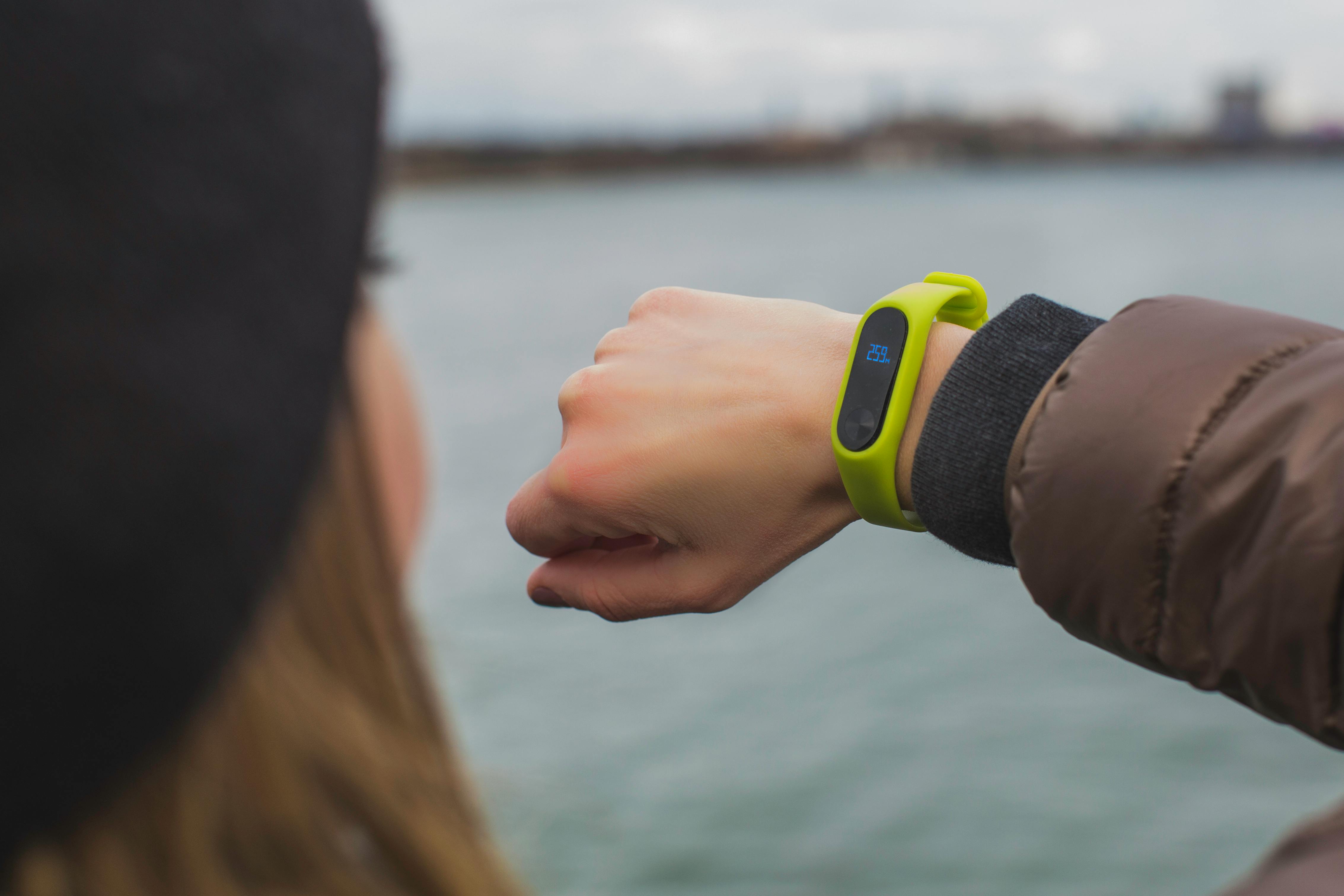
Battery life is the other headline, and Xiaomi deserves credit for publishing the honest version of it this time. The Xiaomi Smart Band 11 has a 233mAh battery, and Xiaomi quotes three figures: up to 21 days in light use, about 10 days in normal use, and about 6 days with the always-on display switched on. A full charge takes around 90 minutes.
The 21-day figure comes from Xiaomi’s internal lab tests in light mode, with heart-rate checks every 30 minutes and most tracking switched off. Most people will not use the band that way. With continuous heart-rate monitoring, regular notifications and a few workouts a week, 10 days is the realistic expectation, and that is still excellent. Even 6 days with the always-on display on beats most smartwatches, which need charging every one to three days.
The NFC model is rated slightly lower, at up to 18 days in light use. For sleep tracking, the long battery is the real selling point: you can wear the band to bed every night without the nightly charging ritual Apple Watch and Pixel Watch owners know.
Health tracking gets more accurate
Under the screen, Xiaomi has upgraded the optical sensor. The Xiaomi Smart Band 11 uses a new dual-LED, dual-PD PPG sensor that Xiaomi says reaches 98.2 percent heart-rate accuracy in its own internal testing, a figure that has not been independently verified yet.
The band tracks heart rate, blood oxygen (SpO2), stress and sleep with an upgraded Sleep Algorithm 2.0. Women’s health tracking is included, and the band supports more than 150 sports modes, six recognised automatically. With 5ATM water resistance, it is rated for swimming, and Xiaomi says it can track heart rate underwater.
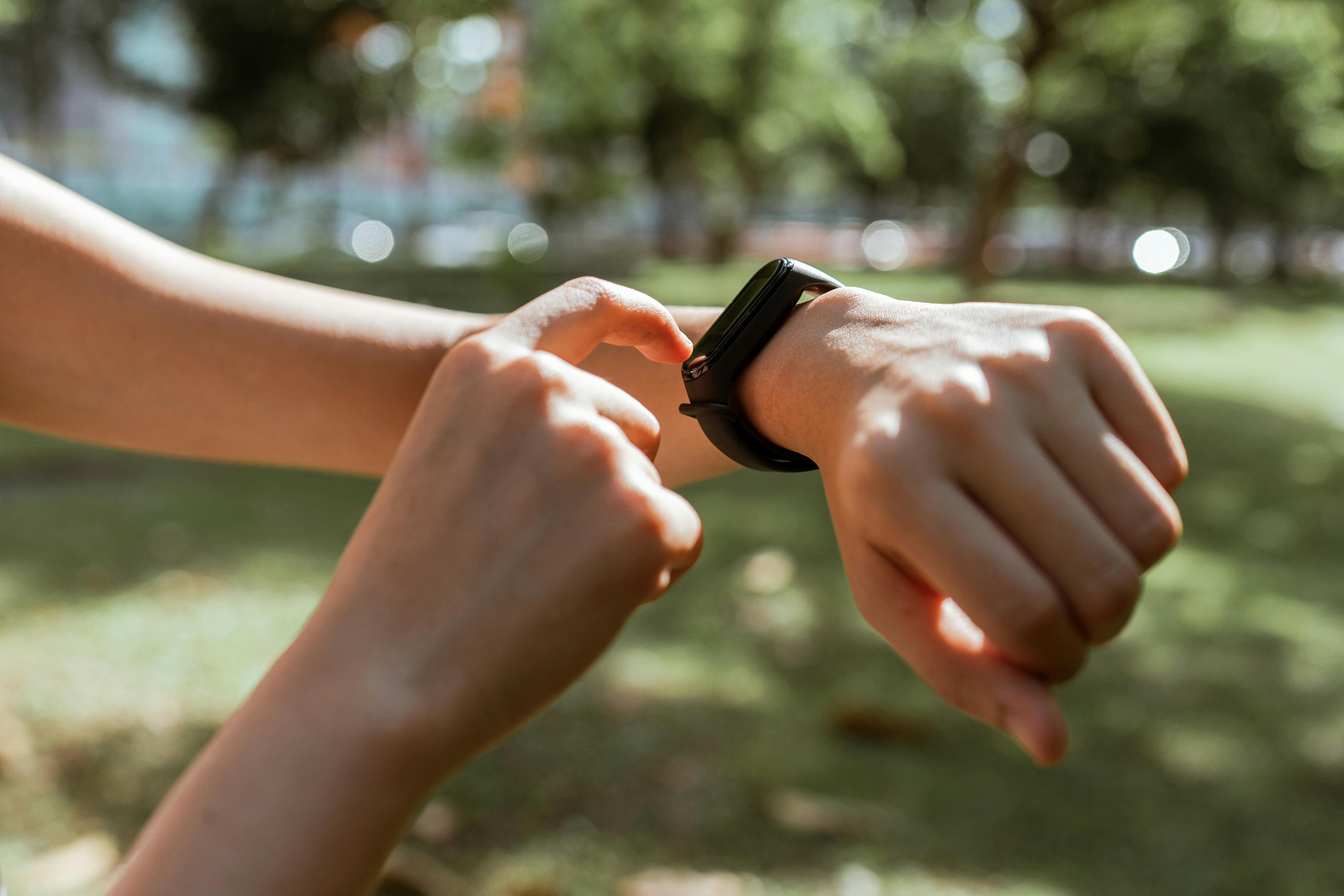
Two things are worth knowing. First, Xiaomi is clear that the band is not a medical device and its health data is for reference only. Second, there is still no built-in GPS: if you want a map of your outdoor run, you will need to carry your phone.
HyperOS 4 and dual-phone pairing
The Xiaomi Smart Band 11 runs HyperOS 4, Xiaomi’s latest software for its wearables, with a refreshed interface that is easier to navigate than the outgoing Band 10. It pairs with the Mi Fitness app on Android 8.0 or iOS 14.0 and above, and shows call alerts, messages and app notifications.
One genuinely useful new trick is dual-phone pairing: the band can connect to an Android phone and an iPhone at the same time. The NFC version adds contactless payments in supported countries, although Xiaomi has not clearly specified which payment services work in each European market.
Xiaomi Smart Band 11 price and availability
In the UK the standard Xiaomi Smart Band 11 costs £54.99, the NFC version starts at £70, and the Unibody and Ceramic editions top the range at £80. In Europe the standard model is €59.99 and the NFC version is €79.99. In China, where the band launched in September, it started at 289 yuan, or 339 yuan with NFC.
There is no subscription: unlike some fitness brands that charge monthly for advanced metrics, Xiaomi includes the tracking features in the price of the band. It is on sale now in the UK and Europe through Xiaomi’s own stores.
Xiaomi Smart Band 11 vs Smart Band 10
If you already own a Smart Band 10, the upgrade is modest: the screen is brighter, the body is thinner and lighter, the heart-rate sensor is new, and the sleep tracking has improved. Battery life is similar, but the Band 11’s advantage is that Xiaomi now publishes the normal-use figure.
If you are coming from a Band 9 or older, or from no tracker at all, the jump is much bigger: the brighter display, 60Hz refresh rate, slimmer body and improved sensor make the Band 11 feel like a more modern device. At £54.99 it also undercuts most rivals, and neither Samsung’s Galaxy Fit nor Huawei’s Band series matches its combination of a 2,000-nit screen and a 10-day real-world battery.
What the Band 11 is missing
No product at this price is complete, and the Xiaomi Smart Band 11 has clear limits. There is no built-in GPS, so outdoor workouts need a phone nearby. Charging is magnetic rather than wireless. There is no app store and no third-party apps, so the band does what Xiaomi built into it and nothing more. And while the NFC version supports contactless payments, availability of payment services varies by country, and Xiaomi has not published a clear list.
None of these are surprises at £54.99. Buyers who want GPS, apps and a bigger screen should look at a proper smartwatch instead, such as Xiaomi’s own Watch S5 41mm, launched at the same Paris event for £199.99, with a 3,000-nit display, up to 14 days of battery and Google Wallet.
The rest of Xiaomi’s launch
The Band 11 was not alone on stage in Paris. The Xiaomi Watch S5 41mm, the compact version of the Watch S5, has a stainless steel case, a slim 9.9mm body and a 590mAh battery, and it is the first watch in Xiaomi’s S series to offer Google Wallet. Our full report on the watch is on the site now. Xiaomi also showed the Xiaomi Clip, its first clip-style open earbuds, priced from £130 in the UK.
Should you buy the Xiaomi Smart Band 11?
For most people shopping for a first fitness tracker, the answer is yes. At £54.99, the Xiaomi Smart Band 11 offers a bright, readable screen, a battery that lasts around 10 days in normal use, solid health tracking and no subscription, in a body so light you will forget it is there. Its weaknesses are known and honest: no GPS, no app store and magnetic charging.
The better question is whether you should wait. The band is on sale now, just before Black Friday, and budget trackers are often among the first gadgets to be discounted. If you can wait a week or two, you may find it cheaper, and early reviews will confirm whether that 98.2 percent heart-rate accuracy claim holds up. If you need a tracker now, or you are upgrading from a Band 9 or older, there is little reason to hold off. If you would rather have a full smartwatch, our Oppo Watch 5 report covers a 3,000-nit watch with a 10-day battery at around $130. At £54.99, the Xiaomi Smart Band 11 is still the best value fitness band Xiaomi has made.