
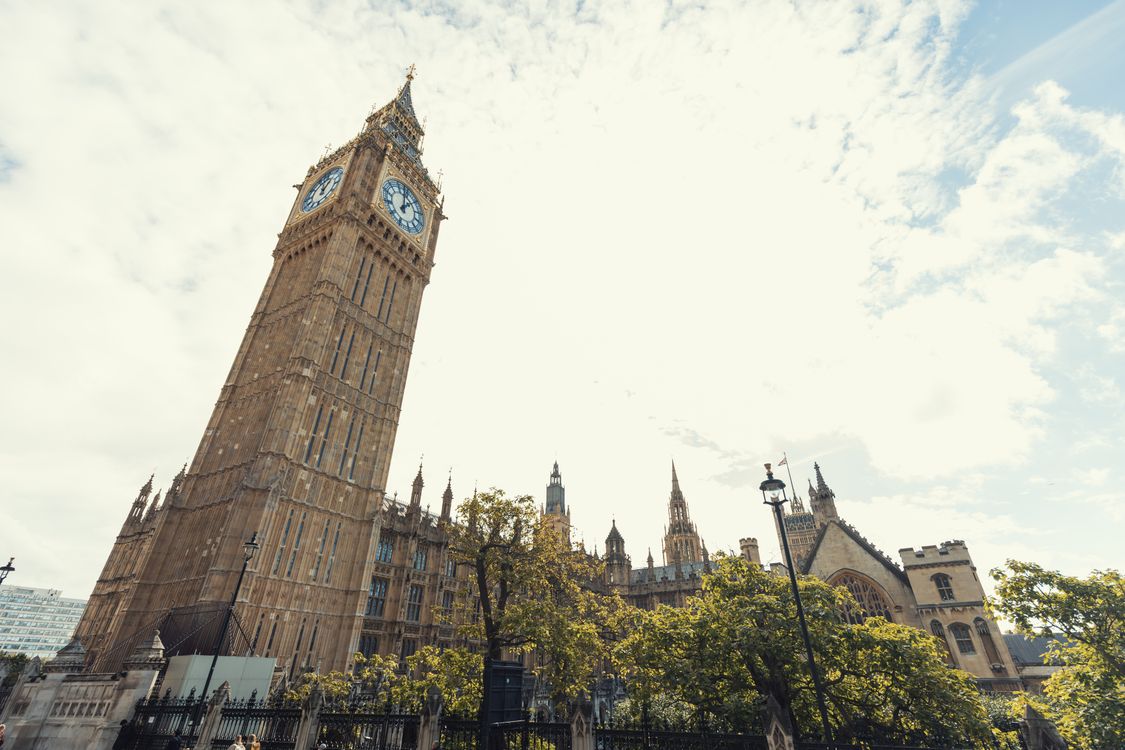
LONDON — The United Kingdom on Tuesday imposed sanctions on eight Israeli construction and property companies involved in building settlements in the occupied West Bank, and on an activist group accused of blocking humanitarian aid to Gaza — the UK sanctions Israeli settlement firms in its sharpest move yet.
The Foreign Office said the measures — asset freezes and director disqualifications — were designed to “disrupt their flows of finance and ability to support further construction”. The announcement came two days before the deadline for bids on the controversial E1 settlement project east of Jerusalem, which critics say would split the West Bank in two and cut it off from East Jerusalem.
Foreign Secretary Ed Miliband said the sanctions reflected the government’s commitment to a two-state solution. Britain says the settlements are a flagrant breach of international law, and the government is separately developing legislation to ban imports of settlement goods and to stop British advertising services being used to market settlement properties.
It is the first package since Miliband promised in September that Britain would respond to settlement expansion in the occupied West Bank, where violence against Palestinians has been rising.
What the UK announced on Tuesday
The Foreign Office named nine entities in total. Eight are companies that build, supply, plan or market housing and infrastructure in West Bank settlements. The ninth is Tzav 9, an Israeli activist movement the government says has organised blockades of crossings, ports and roads used by aid convoys heading into Gaza, including as recently as October.
All nine face asset freezes, meaning any money or property they hold under British jurisdiction is frozen. The directors and senior officers of the eight companies are also disqualified from carrying out company directorships or regulated activities in the UK. Breaching the financial sanctions can carry a maximum prison sentence of seven years, a fine, or both.
The designations were made under the UK’s expanded Global Human Rights and International Humanitarian Law sanctions regime, with the legislation laid before Parliament on October 13. Britain acted alone on Tuesday, rather than as part of a joint package with allies.
The timing was deliberate: the announcement landed two days before the deadline for opening bids on the E1 tender, on Thursday, November 19. Miliband urged businesses not to bid for, build or profit from E1, a planned settlement area next to Ma’ale Adumim, east of Jerusalem, frozen for years and revived by the current Israeli government.
The eight firms on the sanctions list
The eight companies named by the Foreign Office are Har Hevron Development Company Ltd, Hemdat Shomron Ltd, S.A.G. (Velvel) Construction and Development Ltd, Lev HaHar Yazamut Ltd, Harey Zahav, Ariel Residential Judea & Samaria Ltd, Ami Gvirtzman Architects 2021 Ltd and Z.F. Building Company Ltd.
Between them they cover the full chain of settlement construction. Har Hevron builds infrastructure and supplies housing. Hemdat Shomron and S.A.G. (Velvel) are construction and development firms. Ami Gvirtzman Architects is an architectural practice, and Ariel Residential Judea & Samaria markets homes in the settlements. The list is a deliberate mix: it targets not only the builders but the planners, suppliers and sellers whose work makes new settlements possible.
The sanctions are narrow by design: they do not ban all trade with the West Bank or cover every company working in the settlements. They name specific firms the government says are directly involved in expansion, leaving the wider question of settlement goods to the legislation now being developed.
Tzav 9 and the Gaza aid blockades
The ninth designation may prove the most politically charged. Tzav 9 is an Israeli activist movement that the British government says has regularly blocked trucks carrying food, water and fuel into Gaza, organising protests at crossings, ports and roads used by aid convoys, including as recently as October.
The group has said its blockades are a protest against aid reaching Hamas, and it has called the sanctions an act of intimidation. The Foreign Office’s case is that the blockades have obstructed humanitarian supplies at a moment when Gaza’s civilians face acute shortages, with winter approaching.
The designation links directly to the humanitarian crisis in Gaza, which Britain has been raising with increasing urgency. On Sunday, the foreign ministers of the United Kingdom, Canada, Australia and Italy demanded Gaza’s crossings open at once, saying shelter supplies were piling up at the border while families slept in flooded tents. Around 150,000 tents were waiting to be let in, according to that statement.
Tuesday’s sanctions give that demand a sharper edge. By naming a group accused of physically blocking the aid, Britain is signalling that it will use financial penalties, not just diplomacy, against those it says are standing in the way of humanitarian access.
Why E1 is at the centre of the move
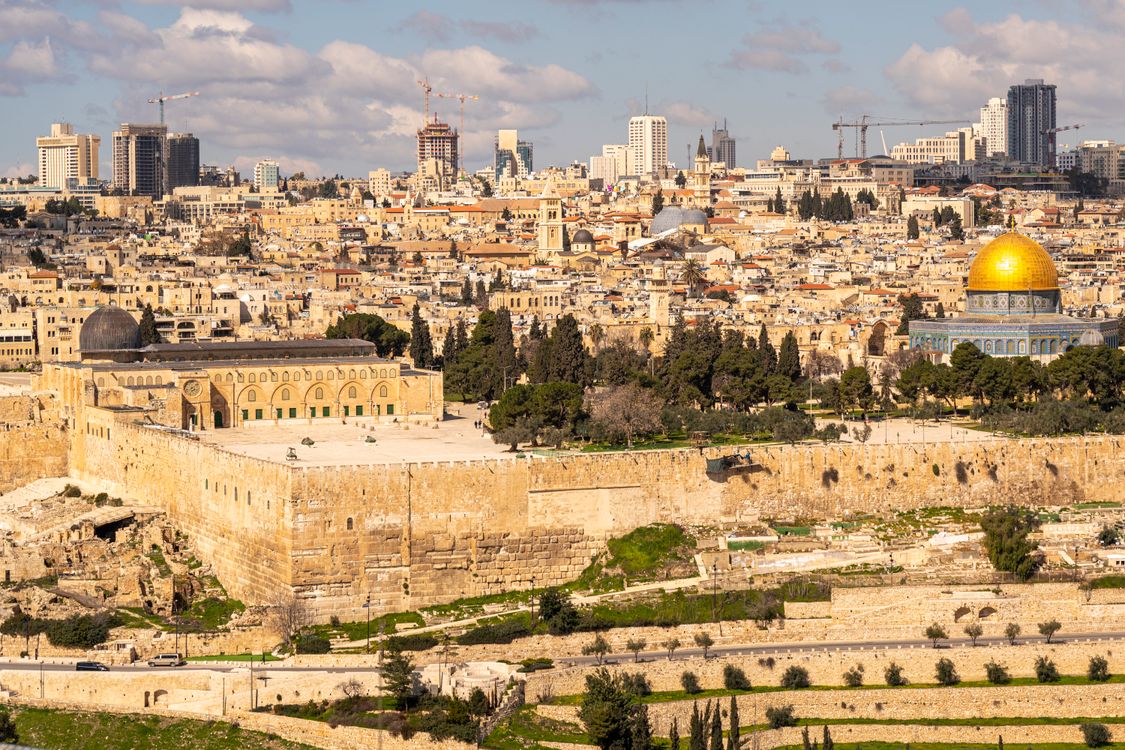
The E1 project is the thread that ties the sanctions together. E1 is a planned settlement area on a strip of land between Jerusalem and the large settlement of Ma’ale Adumim, to the east of the city. It has been on the drawing board for decades, but successive Israeli governments held back from building there under international pressure.

Critics, including the United Nations and the European Union, say building in E1 would bisect the West Bank, separating its northern and southern halves, and cut East Jerusalem off from the rest of the territory. That, they argue, would make a contiguous Palestinian state — the core of any two-state solution — impossible to achieve in practice, whatever the diplomatic language says.
The tender deadline on Thursday, November 19, is what gave Tuesday’s announcement its urgency. Miliband’s warning to businesses not to bid for, build or profit from E1 was aimed at the companies and investors deciding in the coming days whether to take part. The sanctions on eight firms building elsewhere in the West Bank send the same message in advance.
Israel’s response: countermeasures promised
Israel’s reaction came within hours. Foreign Minister Gideon Sa’ar vowed that Israel would respond with “countermeasures” after Britain sanctioned the eight settlement firms and Tzav 9, according to reports of his statement on Tuesday.
The Israeli government has consistently rejected the characterisation of the settlements as illegal, arguing that the West Bank is disputed territory and that the communities there are legal under Israeli law. It has also accused European governments of singling out Israel while ignoring the actions of Hamas and other armed groups.
The exchange sets up a confrontation between two close allies that cooperate closely on security, intelligence and trade. But the sanctions are a public rebuke, and Sa’ar’s promise of countermeasures suggests Jerusalem intends to answer in kind rather than let the move pass unchallenged.
What the sanctions can — and cannot — do
Sanctions are a blunt instrument, and the limits of Tuesday’s package are clear. Asset freezes only bite if the named firms hold assets in the UK or use British banks, and many settlement builders do most of their business inside Israel. Director disqualifications only matter if the individuals concerned want to run companies in Britain. For firms with no British footprint, the practical effect may be small.
The real power of the measures is reputational and financial. Being named on a British sanctions list makes it harder to borrow from international banks, to insure projects, to win contracts with multinational firms and to raise money from investors who do not want to be linked to a sanctioned entity.
There is also a signalling effect. Britain is one of the first major Western governments to sanction settlement builders by name, and the move will be watched closely in Paris, Berlin and Washington. If other governments follow, the cumulative effect could be far larger than anything London can achieve alone.
What happens next
Three dates will tell the story of whether Tuesday’s sanctions matter. The first is Thursday, November 19, when bids for the E1 tender are due to be opened. If the tender goes ahead with British and international firms staying away, London will claim a win. If it proceeds with a full field of bidders, the sanctions will look like a gesture.
The second is the Brussels summit on Friday, November 20, where Prime Minister Andy Burnham will meet European Commission leaders. The European Union has its own tools — trade preferences, labelling rules for settlement goods, and coordinated sanctions — and the question is whether Brussels moves in step with London or leaves Britain to act alone.
The third is Israel’s response. Sa’ar’s promise of countermeasures could mean anything from diplomatic protests to restrictions on British organisations operating in Israel and the West Bank. A measured response would let both sides move on; a sharp one would turn the announcement into a full-blown diplomatic dispute.
For the families in Gaza waiting for the aid convoys, and for the Palestinians in the West Bank watching the bulldozers, the test is simpler: whether the crossings open, whether the trucks get through, and whether the building slows. Tuesday’s sanctions are a statement of intent. Their success will be measured in what changes on the ground.