
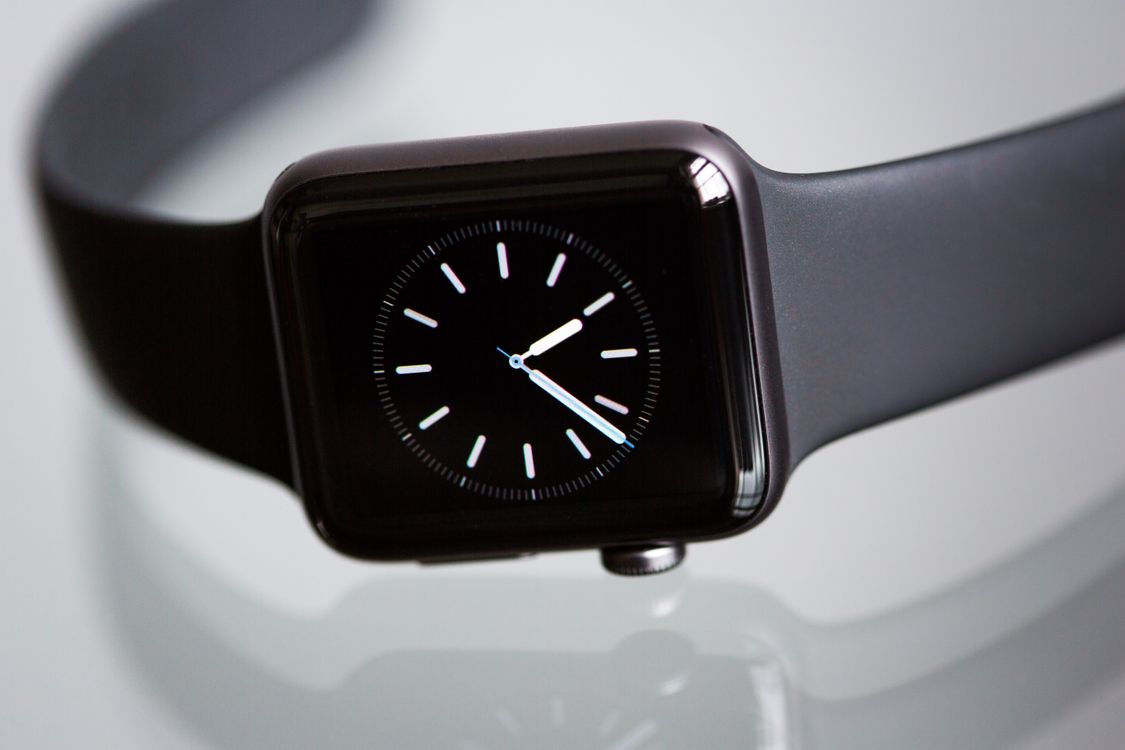
Motorola has quietly pulled off one of the most interesting wearable launches of the year. The Moto Watch 2 Fit, announced on November 5 alongside the company’s new Signature 27 flagship phone, is a budget fitness tracker that borrows its brains from Polar — one of the most respected names in sports science. It costs £99.99 in the UK and €119 in Europe, yet it carries ten of Polar’s proven training and recovery features, a bright OLED display and battery life that stretches to 16 days. For anyone who wants serious fitness tracking without paying smartwatch prices, this is a launch worth paying attention to.
What is the Moto Watch 2 Fit?
The Moto Watch 2 Fit is the successor to Motorola’s original Watch Fit, and it arrives with a clear purpose: to bring proper training science to a tracker that costs about a third of a premium sports watch. Motorola announced it globally on November 5, 2026, alongside the Signature 27 smartphone and the Moto Buds 2 Ultra earphones. It will roll out in select countries across Europe, the Middle East, Latin America, North America and Asia-Pacific in the coming weeks.
It is a fitness tracker first and a smartwatch second. It runs a lightweight RTOS operating system rather than Google’s Wear OS — a deliberate trade-off: weeks of battery life instead of days, but no third-party apps. For a device built around health and training, that is a sensible bargain.
The headline, though, is the Polar partnership. Motorola has licensed ten of Polar’s Smart Coaching features, making this the most Polar-powered Moto watch yet — and, according to Polar, the first time a smartphone brand has used its Powered by Polar platform.
Ten Polar features on a £99.99 watch
Polar has spent decades refining its training algorithms on devices worn by elite athletes. Here is what the ten licensed features actually do on this £99.99 tracker.
Recovery and sleep
Nightly Recharge is the standout. It is an automatic overnight recovery measurement that combines Sleep Charge, a measure of how well you slept, with ANS Charge, which tracks how well your nervous system calmed down during the first hours of sleep. Together they produce a simple verdict each morning: push hard today, or ease off. It is the same feature that runs on Polar’s own Grit X2, and it turns sleep data into a training decision rather than just a graph.
Sleep Plus Stages tracks the amount and quality of your sleep and gives you a Sleep Score, breaking the night into light, deep and REM sleep. Serene is a guided breathing exercise at six breaths a minute, designed to bring your heart rate in step with your breathing so you can calm down quickly.
Running and training
Running Index is Polar’s classic running metric. After each run you get a score based on the relationship between your heart rate and your speed, compared with norms for your age and sex. It can predict finish times from 5K to the marathon, and it works best as a trend over weeks rather than a number to obsess over after a single run.
Smart Calories estimates the calories you burn based on your weight, height, age, sex, heart rate limits and training intensity. Energy Sources goes a step further, showing the share of fats, carbohydrates and proteins you used in each session — useful if you are deliberately training your body to burn more fat.
Everyday activity
The remaining features cover the other 23 hours of the day. Activity Goal sets a personal daily movement target based on your profile and the activity level you choose, and the watch fills a circle as you progress. Activity Intensity Zones sorts your movement around the clock into resting, sitting, low, medium and high, with harder efforts filling your goal faster. Inactivity Alert nudges you to move after about 55 minutes of sitting, which suits desk workers. Activity Score, the tenth feature, is listed by Motorola as a Polar feature, although Polar has not yet published a full description of it.
Why does this matter? Polar began licensing its algorithms to other brands in January 2023, and it has named licensing an explicit priority for 2026. Casio signed up soon after, Motorola followed with the Moto Watch 2026, and the Fit 2 now takes a bigger share of the feature set than any Moto watch before it. For Polar, each Moto watch sold reaches a buyer who would probably never pay for a Polar-branded watch. For Motorola, it is a shortcut to years of tested sports science without building it in-house.
Display, design and build
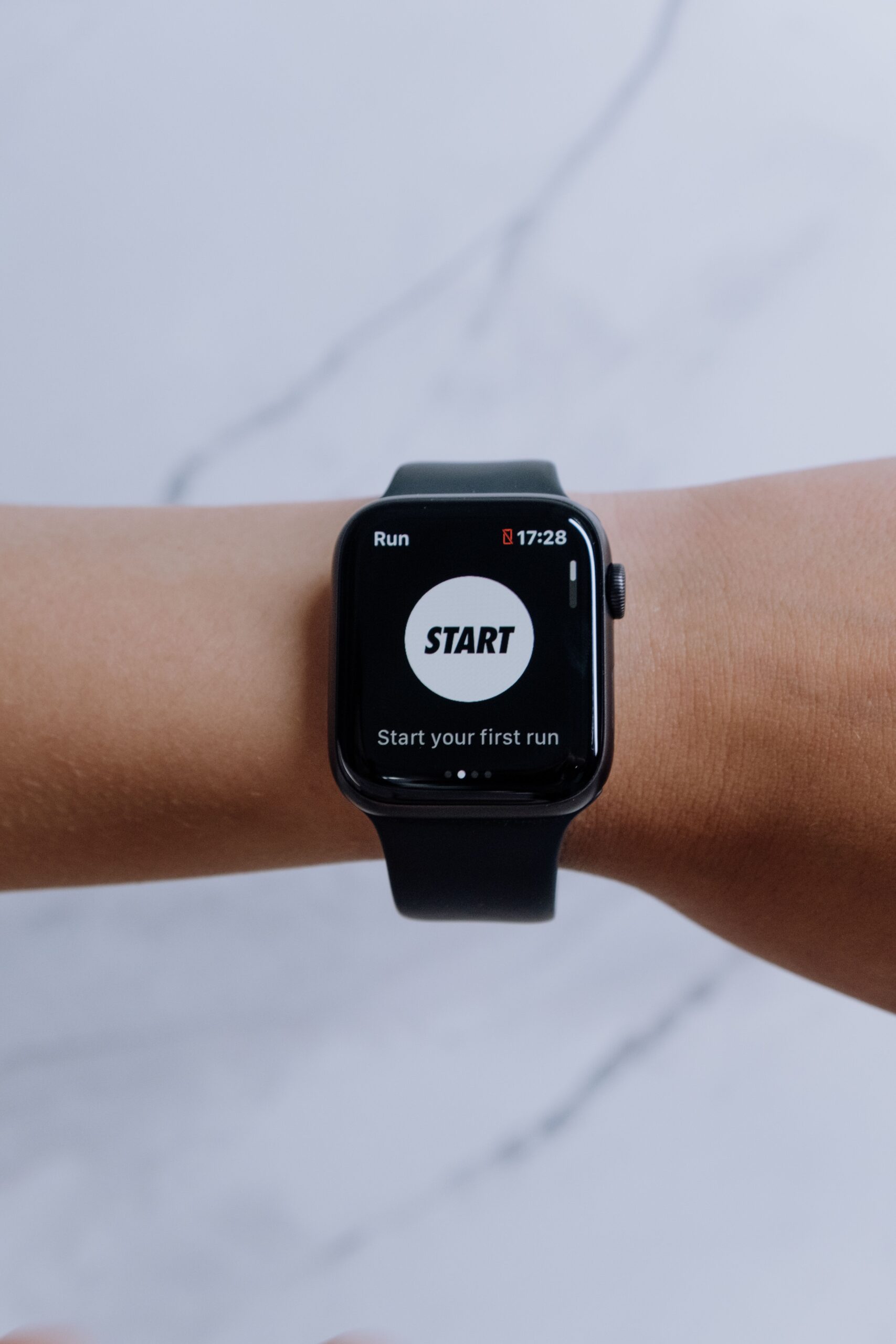
The hardware is straightforward but well judged for the price. The Moto Watch 2 Fit has a 1.85-inch OLED display with a resolution of 390 by 450 pixels, an aluminium case, IP68 dust and water resistance, and a weight of just 28.1 grams. At 42.88 by 38.65 by 9.95 millimetres it is slim enough to wear all day and all night, which matters for a watch whose best features work while you sleep.
The tracker comes in two case styles, Pantone Tracing Gray and Pantone Elegance, with straps in Pantone Stratified Sea, Pantone Pigeon and Pantone Ballerina — a sign Motorola is pitching this as something you wear every day, not just to the gym.
Battery life that embarrasses smartwatches
Battery life is where the Moto Watch 2 Fit really pulls away from full smartwatches. The 400mAh battery lasts up to 7 days with the always-on display switched on, and up to 12 days with it switched off. In low-power mode Motorola claims it can last up to 16 days on a single charge. A quick 10-minute charge provides up to 24 hours of regular use, so a top-up while you shower is enough to get through the day.
That endurance changes how you use a tracker. You can wear it to bed every night for sleep tracking without the nightly charging ritual that Apple Watch and Pixel Watch owners know all too well, and you can take it on a week-long holiday without packing a charger. For a device whose headline features are recovery and sleep, that is not a bonus — it is the whole point.

What the Moto Watch 2 Fit cannot do
The trade-offs are real, and buyers should know them before ordering. Because the watch runs RTOS rather than Wear OS, it does not support third-party app downloads, and the experience is closer to a Fitbit than to an Apple Watch. Motorola has not confirmed whether the watch has built-in GPS, so runners who want to leave their phone at home should check the full specifications before buying.
The Polar metrics are also only as good as the heart rate sensor behind them. Until independent reviewers test the Fit 2’s sensor accuracy, the training scores should be treated as guidance rather than gospel.
Launched alongside: the Moto Buds 2 Ultra
Motorola did not launch the watch alone. The Moto Buds 2 Ultra, announced at the same event, are the company’s most feature-packed wireless earphones yet, with audio tuning and active noise cancellation implemented by Bose.
The buds have an 11mm dynamic driver with a Knowles armature, support high-resolution codecs including LHDC 4 and LHDC 5 over Bluetooth 6.0, and are rated for 8 hours of listening, or 37 hours with the case. The case supports Qi 2 wireless charging, and both buds and case are IP57-rated. They cost €199. Together, the watch and the buds show Motorola building a small ecosystem of affordable devices tuned by specialists — Polar for fitness, Bose for sound.
Price, availability and the competition
The Moto Watch 2 Fit starts at £99.99 in the UK and €119 in Europe, and it will be available in select countries across Europe, the Middle East, Latin America and Asia-Pacific in the coming weeks. Motorola has not yet confirmed a US dollar price, although North America is listed among the rollout regions.
At that price it undercuts most of its serious rivals. Google’s new Fitbit Edge, launched this week, costs $179.99 and offers a 1.34-inch AMOLED display, built-in GPS, ECG and seven days of battery. Huawei’s Watch 6, launched in Malaysia on November 3, starts at RM1,799 and adds hypertension and diabetes risk studies. The Moto Watch 2 Fit’s pitch is simple: Polar-grade training insight for about £100, with battery life that beats nearly everything in its class.
Who should buy it? Runners and gym-goers who want recovery and training data without a subscription or a £300 watch will find a lot to like here. People who want apps, payments and a full smartwatch experience should look elsewhere — or wait for reviews to confirm the sensor accuracy and GPS situation before spending.
The bottom line
The Moto Watch 2 Fit is a smart piece of positioning from Motorola. Rather than trying to out-feature Apple or Samsung, it has borrowed the best part of Polar — the training science — and put it in a light, long-lasting tracker that costs £99.99. The 16-day battery life, the 1.85-inch OLED display and the ten Polar features add up to a genuinely compelling package for runners and anyone serious about recovery. The open questions are sensor accuracy and GPS, and those will only be answered by hands-on reviews. But on paper, this is the most interesting budget fitness tracker of the year — and if you have been waiting for serious training data at a sensible price, it deserves a place on your shortlist.
Related reading: Apple HomeView, and our guide to the best smart home devices for beginners.
Sources: Gadgets360’s Moto Watch 2 Fit launch report and the5krunner’s Polar features explainer.