
Microsoft is walking away from a 2023 deal to rent artificial intelligence computing capacity from Oracle, Bloomberg reported on November 6, 2026. The deal itself was never huge — its size was never disclosed — but it is the third time this week that Microsoft has been reported pulling back from a rented-capacity arrangement. Taken together, the three moves add up to a message: the world’s biggest buyer of rented AI computing is getting pickier about what it rents, and older hardware is first on the chopping block.
What Microsoft actually did
The details matter more than the headline. Microsoft did not cancel a contract early. It chose not to renew one that was ending anyway. Nothing was broken, no penalty applies, and the company simply decided the capacity was no longer worth keeping. That is different from a collapse in demand.
Oracle’s shares fell as low as $109.21 during the session, a 52-week low and down 5.2 percent from the November 5 close, before recovering to close at $116.10, up 0.82 percent on the day. Investors sold first, then decided the story was narrower than it looked. An Oracle spokesperson said demand for its cloud AI infrastructure “remains strong, including for earlier-generation GPUs,” and pointed to the company’s September earnings call, where Oracle said GPU capacity that came up for renewal in the first quarter was renewed or resold at about a 20 percent premium. Microsoft did not immediately respond to a request for comment.
The context keeps the deal in proportion. Oracle’s contracted future revenue stood at $664 billion at August 31, so this is a question about how fully its older GPU capacity is used, not about its backlog. And Microsoft is not abandoning rented capacity altogether: it still plans close to $190 billion in capital spending in calendar 2026, and it still rents capacity from CoreWeave, Nscale and Nebius. It is choosing which deals to keep, not walking away from the model.
Why older chips are the problem
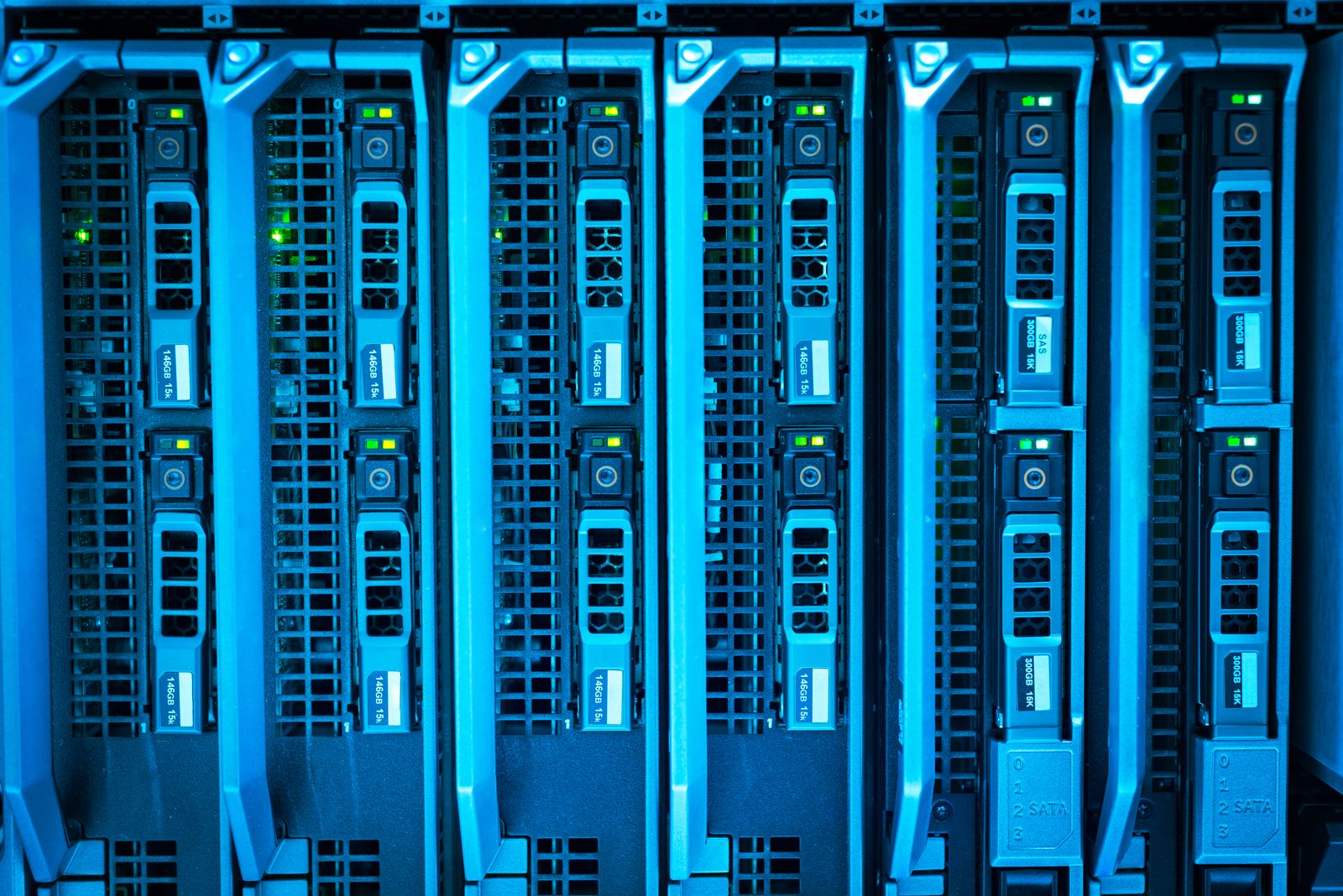
The technical reason is straightforward, and it explains why this story is likely to repeat. AI models keep getting bigger, and each new generation of Nvidia chips runs them much faster and cheaper than the last. A server built on an older generation of chips costs more per unit of work, so a customer like Microsoft eventually moves its workloads to newer hardware and lets the old contract lapse. The 2023 Oracle deal was built on hardware from that era, and it had outlived its usefulness.
That logic cuts both ways. For the companies that own the newest chips, Microsoft’s pickiness is good news: demand for the latest hardware is strong enough that Oracle could renew other GPU capacity at a premium. For anyone holding older-generation GPUs, it is a warning. The risk sits squarely on older hardware.
The $80 billion review: CoreWeave, Nscale and Nebius
The Oracle wind-down is the third Microsoft pullback reported this week, and the other two were bigger. Microsoft walked away from Nscale’s roughly $3 billion Loughton project in the United Kingdom, a decision made weeks ago and reported this week, and it declined to more than double its Nscale Texas deal. The three partners’ disclosed Microsoft contracts total up to about $70.9 billion in SEC filings: Nscale about $43.8 billion through December 2033, Nebius about $17.4 billion through 2031 and IREN about $9.7 billion through 2031. Roughly half of the $80 billion-plus now under review is Nscale alone.
That is why the review matters far beyond Oracle. These companies, known as neoclouds, borrow heavily to buy chips and build data centers on the strength of long contracts with hyperscalers like Microsoft. If Microsoft reviews $80 billion-plus of those contracts and decides some are not worth renewing, the backlog that underpins the sector’s valuations starts to look softer.

What it means for Oracle
For Oracle, the damage looks contained, at least for now. The company’s $664 billion backlog is the cushion, and the 20 percent premium on renewed capacity is the evidence that demand for its newer infrastructure is real. The share price recovery on the day of the report tells the same story: investors decided this was about old chips, not about Oracle’s business as a whole.
But contained is not the same as costless. Oracle has spent the last two years reinventing itself as a cloud and AI infrastructure company, and its valuation depends on investors believing that the rental model keeps growing. Every time a hyperscaler lets a contract lapse, that belief gets a little harder to hold.
The bigger picture: an AI spending reckoning
The Microsoft Oracle AI deal is ending at a moment when the whole AI trade is being re-examined. Just one day before the Bloomberg report, the Nasdaq Composite plunged 5.5 percent on November 5, its worst day in more than a year, as investors rushed out of the chip and data-center stocks that have carried the market for three years. The Nasdaq 100 erased about $2.5 trillion in market value in a single session. The trigger was politics — the Democrats’ midterm election victory on November 3 — but the deeper doubt was about whether the trillions pouring into AI infrastructure will ever pay off.
Read our earlier coverage of that sell-off here: Nasdaq AI Bubble Burst: Tech Stocks Crash 5.5% as $2.5 Trillion Vanishes in a Day
Microsoft’s pullbacks fit into that same reassessment. The hyperscalers spent a combined $650 billion or more on AI infrastructure in early 2026, and investors are now asking when, or whether, that spending will pay for itself. At the same time, the biggest companies are still signing enormous long-term deals. Google announced on November 5 that it will build its first Wyoming data center, a $17 billion investment, and a day later it acquired a separate data-center site in the same part of the state from Crusoe. The AI infrastructure race is not stopping. It is getting more selective.
Read more about Google’s Wyoming bet here: Google Wyoming Data Center: Inside the $17 Billion Bet on Clean Power and AI
That selectivity is the real story of this week. Google is committing $17 billion to a brand-new campus. Microsoft is letting a 2023 rental contract lapse because the chips inside it are too old. Both companies are spending more than ever. Neither is spending it indiscriminately.

What happens next
Three things are worth watching. First, Nvidia reports quarterly results on November 17, the first word from the largest AI chip supplier since the election. Traders will watch not just the numbers, but what Nvidia says about demand for its chips and the pace of the data-center buildout. A strong report could steady the market. A weak one could deepen the rout.
Second, watch the renewal calendar. Microsoft’s review covers more than $80 billion in outside-capacity commitments, and the next decisions — above all the Nscale contracts, which account for roughly half of that total — will say much more about the company’s intentions than the Oracle wind-down did.
Third, watch the other hyperscalers. If Amazon, Google and Meta start applying the same discipline to their own rental deals, the older-GPU glut becomes an industry-wide problem rather than a Microsoft-specific one.
Frequently asked questions
What does it mean to rent AI capacity?
Instead of building its own data centers, Microsoft pays another company — like Oracle or CoreWeave — to run its AI workloads on that company’s servers. It is faster and more flexible than building, but you pay someone else’s margin. Microsoft has committed more than $80 billion to such arrangements, and it is now reviewing them.
Why did Microsoft end the Oracle deal?
The Oracle servers run an older generation of Nvidia chips that no longer meet Microsoft’s needs, and the contract was coming to an end anyway. Microsoft chose not to renew it. The capacity was originally used to power the AI-assisted version of Bing.
Is the AI boom over?
No, but it is being repriced. Microsoft still plans close to $190 billion in capital spending in calendar 2026, and Google has just committed $17 billion to a new data center in Wyoming. What is changing is the discipline: the biggest buyers are getting pickier about which capacity they rent and which deals are worth renewing. The boom is not ending. The easy money is.
The bottom line
The Microsoft Oracle AI deal was small, old and built on aging hardware, and letting it lapse was the rational thing to do. What makes it important is the pattern around it: three pullbacks in a week, an $80 billion review, and a market that has just learned, in a single brutal session, that even the most powerful technology trend in a generation can run into political reality. The AI boom is entering its selective phase. The companies with the newest chips and the strongest balance sheets will keep winning contracts. The ones holding older hardware will have to prove, renewal by renewal, that they are still worth the rent.