
WASHINGTON — President Donald Trump has defended his new chief of staff, Stephen Miller, after the man set to become the next Speaker of the House called Miller a “stone-cold racist” and said he would refuse to deal with him.
The clash broke into the open on Saturday, and it sets up a difficult relationship between the White House and the incoming Democratic House majority weeks before the new Congress takes power in January. It also puts immigration — the issue Miller has shaped more than any other — at the centre of the next fight between the two parties.
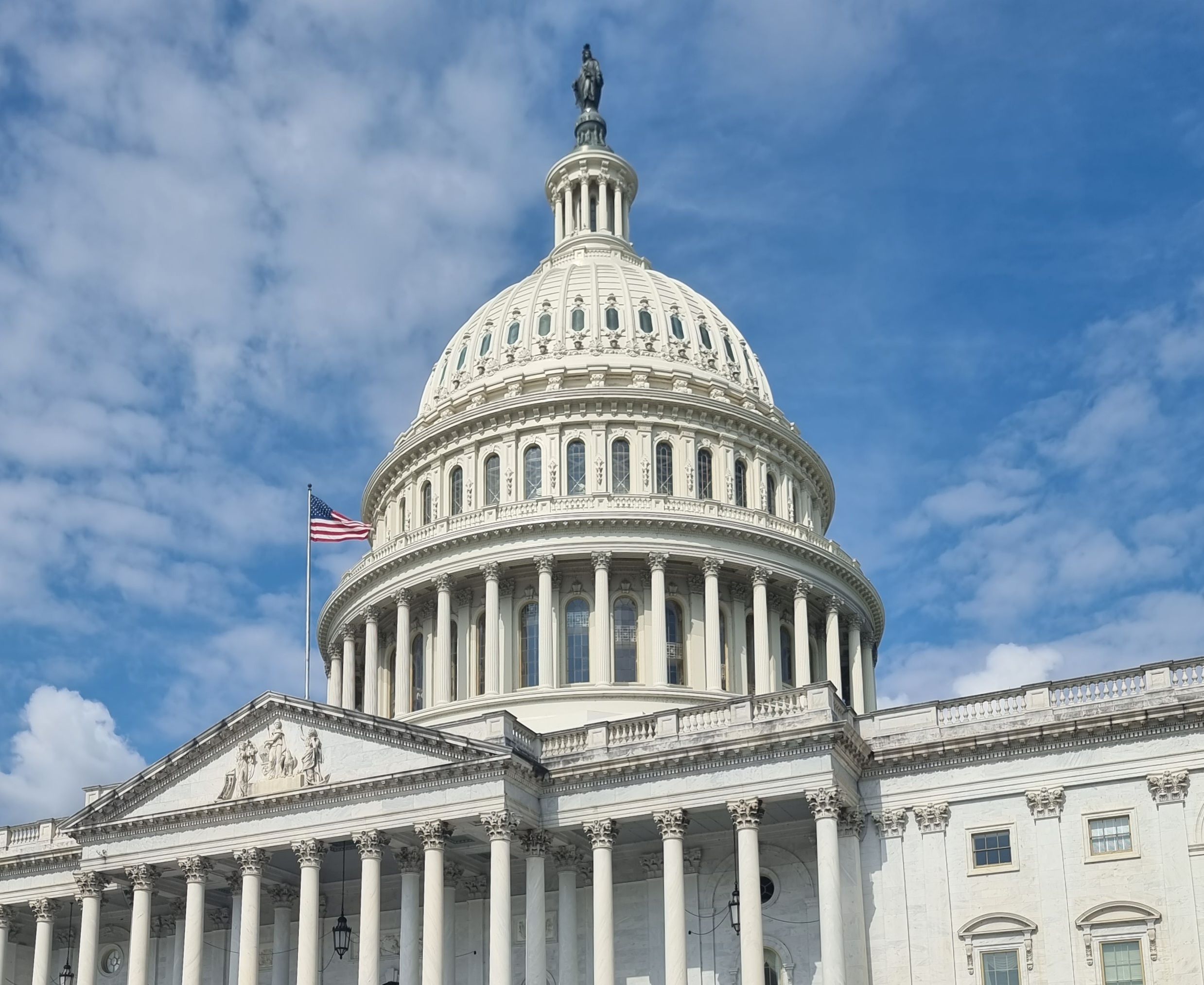
What Jeffries said about Stephen Miller
Jeffries gave a wide-ranging interview to The New York Times that was published on Saturday, November 21. Asked whether he would work with the White House chief of staff, he left no room for doubt.
“No. I made it clear that Stephen Miller’s a stone-cold racist. Why would I deal with him at this point in time?” Jeffries said. “This is the architect of Donald Trump’s violent mass deportation machine, and there’s cruelty associated with that. There’s chaos. There’s death associated with what’s taking place.”
It was not the first time Jeffries had used that language. At a news conference on November 9, days after Miller’s appointment was announced, he said he had “zero interest” in working with Miller, and he repeated the criticism on ABC’s This Week.
Jeffries also said he had not spoken with Trump since the Democrats’ midterm victory, and that neither the president nor Vice President JD Vance had contacted him since the election. He had, however, spoken briefly with Representative Jim Jordan of Ohio, the incoming House minority leader, about sitting down once the dust settles.
The comments matter because Jeffries is not speaking as an opposition backbencher. After his party’s wins in the November 3 midterm elections, he is in line to become the first Black Speaker in American history. When the new Congress convenes in January, he will control what legislation reaches the floor — and his party will control the committees that can investigate the administration.
Trump defends Stephen Miller on Fox News
Trump responded on Saturday in a call-in interview on Fox News’ “Saturday in America,” hosted by Kayleigh McEnany. He defended Miller by pointing to the border crackdown that Miller helped design.
“The one thing with Stephen — he was very strong on the border,” Trump said. “So he called him a racist. But we had to be strong. They allowed 25 million people and killers, murderers. They allowed drug dealers and rapists into our country.”
The figure of 25 million people is Trump’s own claim about border crossings under the previous administration, and it has been disputed by independent analysts. What is not in dispute is that Miller was the driving force behind the administration’s immigration policy.
Trump also used the interview to praise Jeffries, in terms that stood out given the tension between the two men. He called him “a very smart guy” and “a reasonable guy,” and noted the history Jeffries is about to make as the first Black person to hold the Speaker’s job. “What he did is pretty spectacular,” Trump said.
The president said he expected to negotiate with Democrats even after vetoing their legislation. “We can negotiate,” he said, signalling that the White House does not intend to shut the door on the incoming majority — even if Jeffries has shut the door on Miller. Trump also said he could work with Democrats on a 10% cap on credit card interest rates, one of the few issues where the two sides have publicly agreed there may be room for a deal.
Stephen Miller chief of staff: who is the president’s top aide?
Miller was appointed the 33rd White House chief of staff in early November, succeeding Susie Wiles, who moved from the role into the campaign operation. He had previously served as deputy chief of staff and as the president’s homeland security adviser, and he is widely regarded as the architect of the administration’s hard-line immigration policies.
The Stephen Miller chief of staff appointment was controversial from the start. Senator Alex Padilla of California was among the Democrats who criticised the promotion, and Jeffries called for Miller’s firing soon after the news broke. Critics point to Miller’s central role in the deportation programme, including large-scale enforcement operations and the use of military resources at the border.
Miller made a splashy debut in his new role on Friday, November 20, appearing at a White House briefing flanked by Vice President JD Vance and Secretary of State Marco Rubio.
The chief of staff is traditionally the gatekeeper of the White House — the person who controls access to the president and negotiates with Congress on the administration’s behalf. That is what makes Jeffries’ refusal so significant: the incoming Speaker will not work through the president’s top aide, the very person whose job is to be the bridge between the White House and Capitol Hill.
Why Jeffries’ refusal matters for January
The standoff is not only about personalities. It is about how the next two years of American government will work.
When Democrats take control of the House in January, they will gain the power to issue subpoenas, launch investigations and set the legislative agenda. The White House will need Democratic votes for must-pass bills, including government funding. Every one of those negotiations would normally run through the chief of staff.
Jeffries has made clear that he sees Miller not as a neutral manager but as the author of policies he considers cruel. At the same time, he has left open other channels: he said Vance could be a potential conduit to the administration, and he has already spoken with Jordan about sitting down. Presidents and Speakers have found workarounds before, using vice-presidents and cabinet secretaries as go-betweens.
But the dispute also raises the stakes for the fights ahead. Democrats have promised investigations into the administration, including its immigration enforcement.
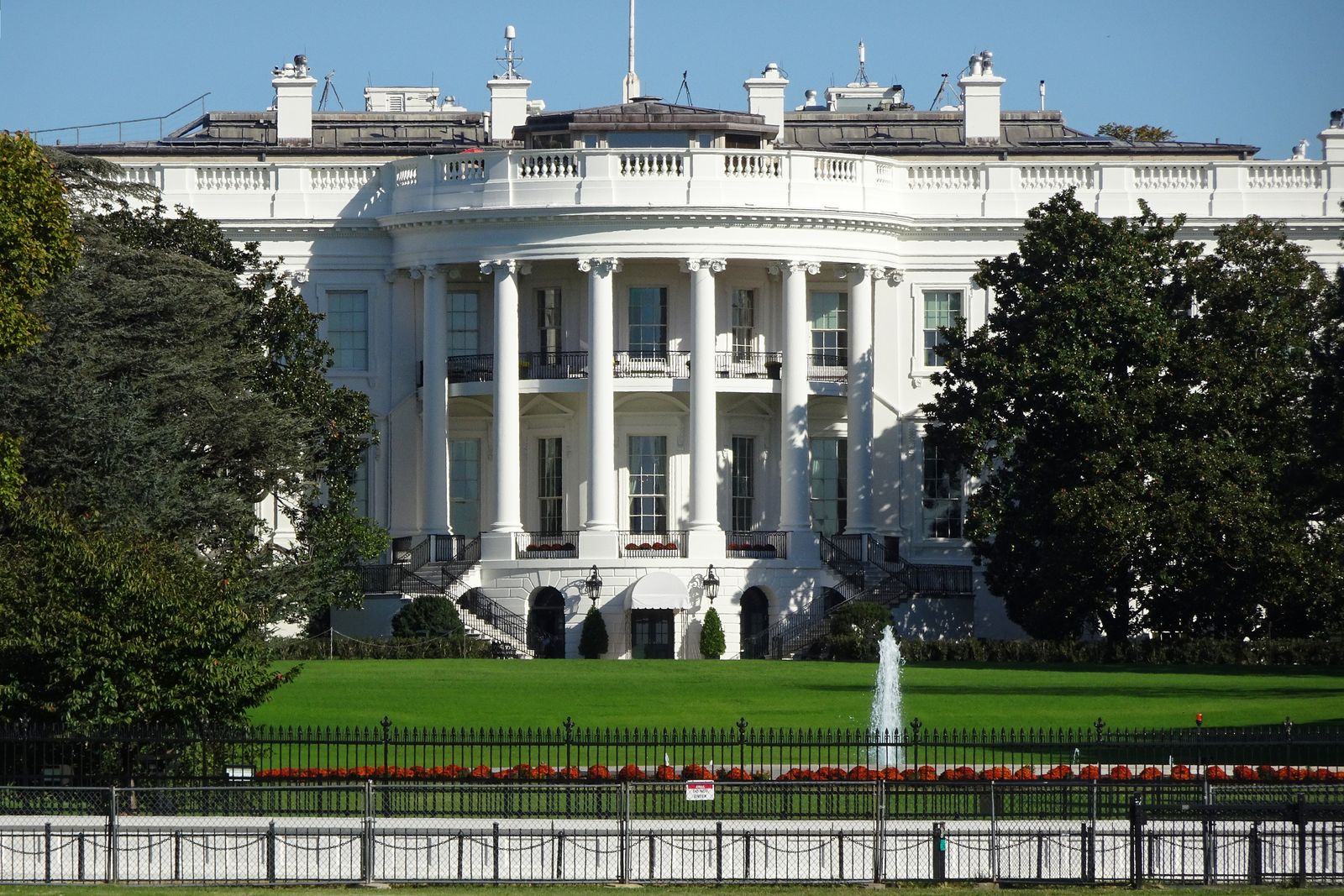
The White House response
The White House pushed back on Jeffries’ characterisation of Miller on Saturday. Spokeswoman Taylor Rogers told the New York Post that Miller had a record of leading bipartisan efforts, pointing to public safety reform, making cities such as Washington, D.C., and Memphis safe again, drug pricing transparency and “unleashing a nuclear energy renaissance.”
“Unlike the hardcore, partisan Democrats who refused to work with the president and blocked many of his popular policies, Stephen Miller has a track record of spearheading bipartisan efforts,” Rogers said.
What happens next
For now, neither side has an incentive to back down. Jeffries has just won a historic election victory and is consolidating his position as Speaker-designate; being tough on Miller plays well with the Democratic base that delivered the midterm win. Trump has just installed his most trusted aide as chief of staff; defending him is a matter of loyalty.
The test will come in January, when the new Congress is seated. Funding bills must be passed, nominations must be confirmed by the Senate, and other deadlines will force the two sides to the table. If Jeffries and Miller cannot work together, the question is whether Vance, Rubio or Jordan can carry the negotiations instead — or whether the next two years will be defined by vetoes, standoffs and investigations rather than legislation.
Frequently asked questions
Who is Stephen Miller?
Stephen Miller is the White House chief of staff, appointed in early November 2026 as the 33rd person to hold the job. He previously served as deputy chief of staff and homeland security adviser, and he is widely seen as the architect of President Donald Trump’s hard-line immigration and deportation policies.
Why did Hakeem Jeffries call Stephen Miller a “stone-cold racist”?
Jeffries, the Democratic leader in the House and the incoming Speaker, used the phrase in a New York Times interview published on November 21, 2026. He described Miller as the architect of Trump’s “violent mass deportation machine” and said he could not imagine sitting down with him. He had made similar comments earlier in November, saying he had “zero interest” in working with Miller.
Will Jeffries refuse to work with the Trump administration?
Not entirely. Jeffries said he would not deal with Miller personally, but he has spoken with Representative Jim Jordan, the incoming House minority leader, about meeting, and he has suggested Vice President JD Vance could be a conduit to the White House. Trump has also said he expects to negotiate with Democrats after vetoing their bills.
What does the chief of staff do?
The White House chief of staff is the president’s top aide, managing the White House staff, controlling access to the president, coordinating policy decisions and negotiating with Congress. A breakdown between the Speaker and the chief of staff can make governing harder.