
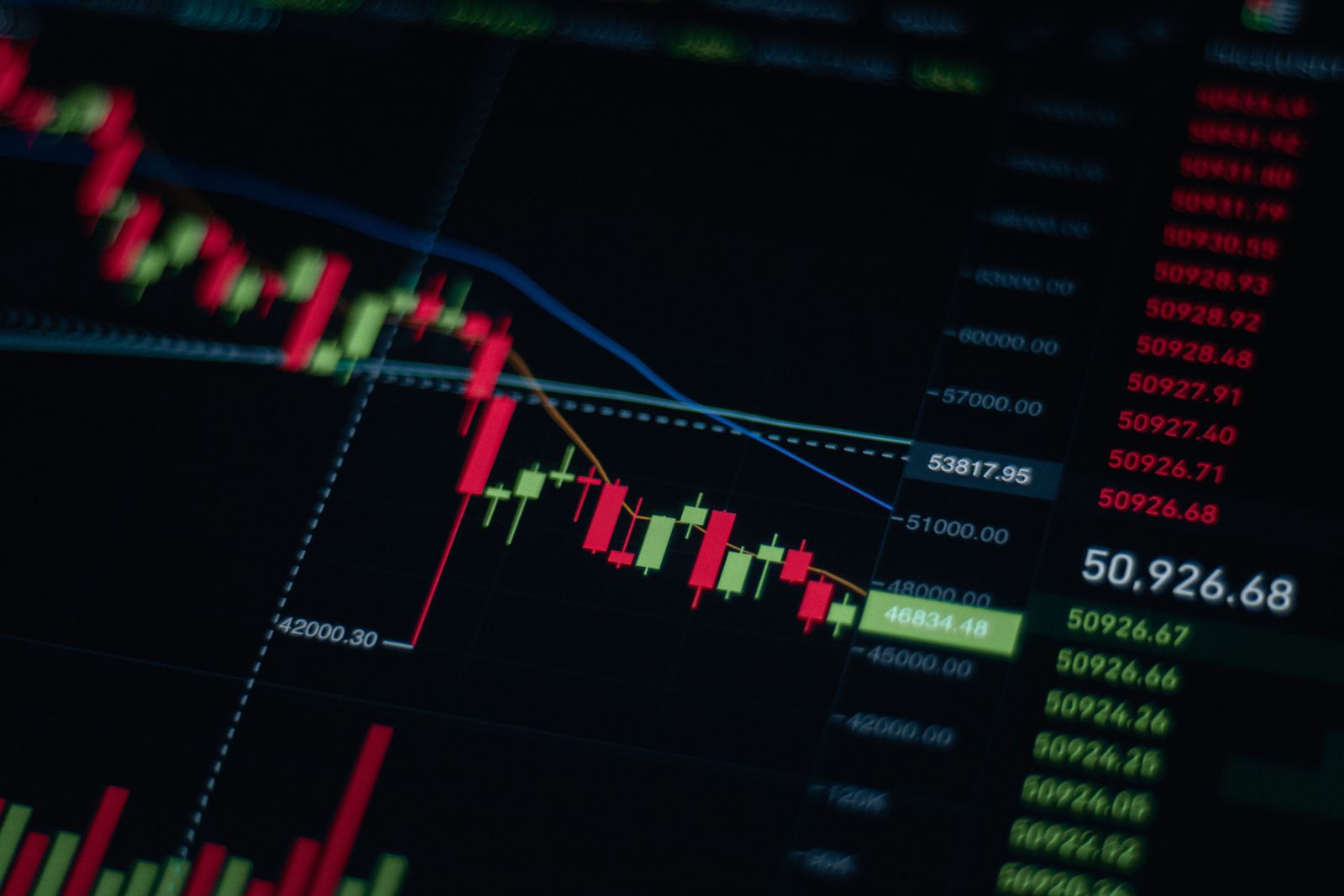
The Bank of England has raised interest rates for the first time in more than three years, lifting Bank Rate to 4% as the war involving Iran drives up energy prices and pushes British inflation toward 5%.
The decision, announced on Thursday, November 5, 2026, reverses the direction of UK monetary policy and signals that the cost of borrowing is heading up, not down, for millions of households and businesses. The Bank’s Monetary Policy Committee voted 8–1 in favour of the quarter-point rise, with only one member arguing that the increase should have been bigger.
It is the first time the Bank has increased borrowing costs since August 2023, ending a long period in which rates were either held steady or cut. The move puts Britain at odds with the recent direction of travel at several other major central banks and underlines how the conflict in the Middle East is now reshaping economic policy far beyond the region itself.
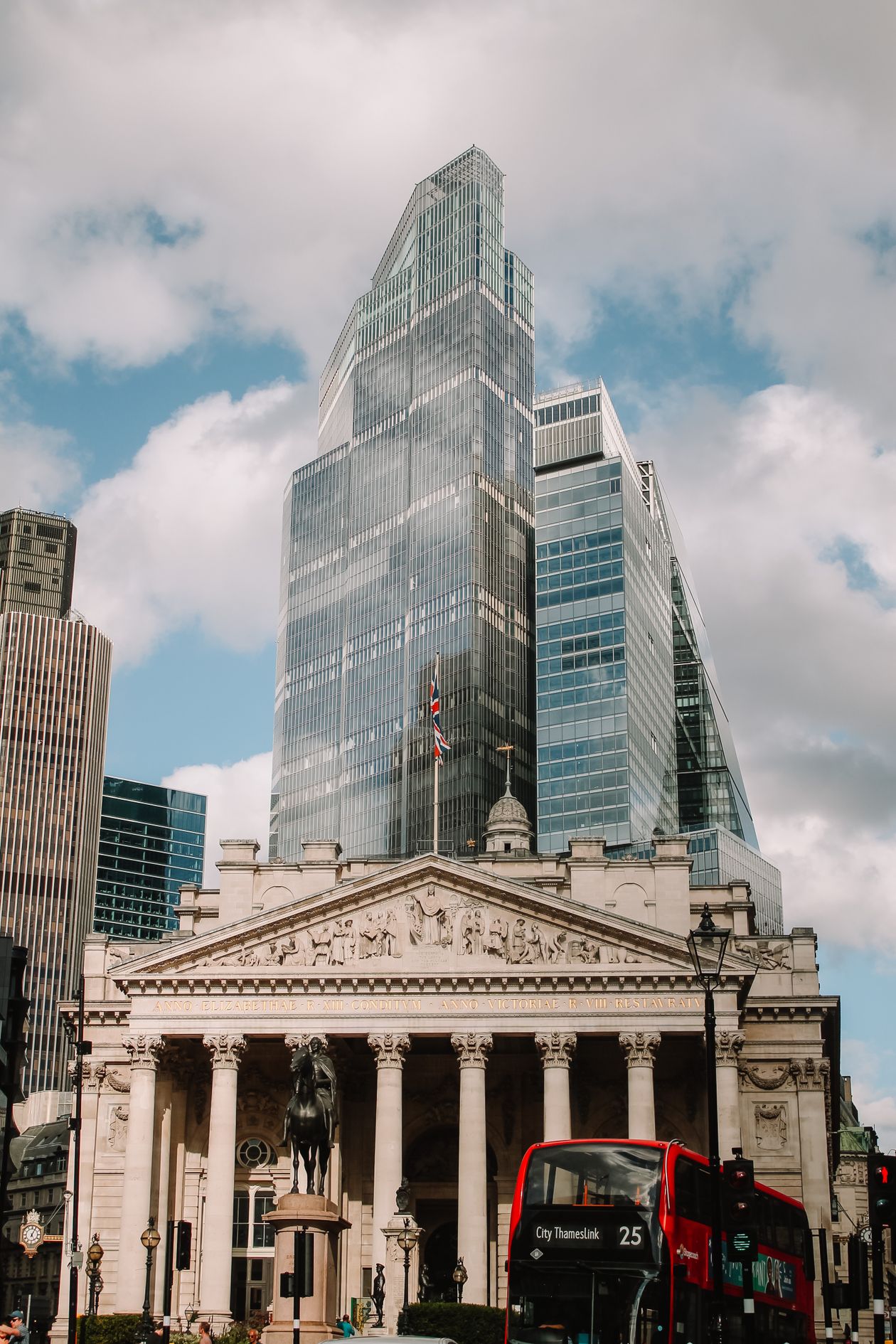
What the Bank of England decided
The Monetary Policy Committee voted by a majority of eight to one to raise Bank Rate by 0.25 percentage points, from 3.75% to 4%. The dissenting voice was Catherine Mann, who wanted a larger half-point increase to 4.25%. She had warned last month that the Bank had been slow to reassure markets that it had a grip on inflation.
Nobody on the nine-member committee voted to leave rates unchanged, a sign of how far the debate inside the Bank has shifted. At its previous meeting in September, the committee had kept Bank Rate at 3.75% by a 6–3 vote. The rate had stood at 3.75% since December 2025.
The Bank also published its latest forecasts alongside the decision. It revised up its expectations for economic growth to 1.6% this year and 1.3% next year, but the growth upgrade was overshadowed by a much gloomier outlook for prices.
Why rates are rising now
The reason for the rise is inflation — and, behind it, energy. UK consumer prices index (CPI) inflation rose to 3.5% in September, up from 3.1% in August and the highest level in 11 months. The Bank now expects inflation to climb to around 5% by the middle of next year, more than double its 2% target, before easing back. In its central forecast, inflation averages 4.9% in the second quarter of 2027 and does not return to the 2% target until the third quarter of 2028.
The main pressure comes from the prolonged conflict in the Middle East. The war involving Iran has disrupted energy supplies and pushed up fuel and utility costs around the world. The Bank’s minutes show that Brent oil futures averaged $108 a barrel over the 15 UK working days to October 27, a level that feeds directly into petrol prices, heating bills and the cost of transporting goods.
That same conflict is already reshaping politics on both sides of the Atlantic. In the United States, Vice President JD Vance has blamed the war with Iran for the Republicans’ heavy defeats in the November 3 midterm elections, while governments in London and Ottawa are grappling with the economic fallout at home. Canada’s new federal budget, tabled this week, is built around the same pressures: shielding households from rising prices while defending economic sovereignty in the middle of a trade war.
What the rate rise means for households
For households, the decision will be felt most directly through borrowing costs. A higher Bank Rate feeds into the interest charged on tracker and variable-rate mortgages, and it sets the benchmark against which lenders price new fixed-rate deals. Anyone coming to the end of a fixed term in the months ahead is likely to find the new rates on offer higher than they had hoped.
Savers, on the other hand, stand to benefit. Banks typically pass on at least some of a Bank Rate rise to savings accounts, so returns on cash savings should improve, even if the increase is modest. For businesses, the picture is more mixed: higher borrowing costs make investment more expensive at a time when energy bills are already squeezing margins, but the Bank’s upgraded growth forecasts suggest it does not expect the economy to stall.
The squeeze is already visible in everyday life. Fuel prices have been climbing, household energy bills remain high, and food prices have been pushed up by transport and production costs. The Bank’s warning that inflation could approach 5% will worry families who have spent the last few years watching their budgets stretched thinner.
The split inside the Bank
Although the vote was nearly unanimous, the Bank’s policymakers are divided about what comes next. Governor Andrew Bailey said the decision should not be seen as the first in an “inevitable long sequence of hikes”, but he warned that unless the conflict in the Middle East is resolved, it does not seem likely to be the last increase either.
Reuters reported that the Bank warned at least one more increase was likely if the US-Iran conflict continues, putting Britain on a path its main peers have already embarked on.
Chief Economist Huw Pill said raising Bank Rate by 25 basis points at this meeting “represents a significant step towards attaining the monetary policy stance needed to address current threats to price stability, including those stemming from uncertainty surrounding events in the Middle East and their influence over energy prices in the medium term.”
Deputy Governor Clare Lombardelli backed the move, saying: “Current circumstances warrant a 25 basis point increase in Bank Rate at this meeting.”
The one dissenter, Catherine Mann, wanted to go further and faster. Her argument, in essence, is that the Bank should act decisively now rather than risk having to raise rates more aggressively later, when inflation has become more deeply embedded in wages and prices.
A political headache for the government
The decision is also a blow for Prime Minister Andy Burnham, whose government has promised to ease cost-of-living pressures. Higher interest rates make that task harder: they raise mortgage payments, increase the cost of government borrowing, and slow the economy just as ministers are trying to deliver growth.
The timing is awkward for Downing Street. The government has spent months arguing that the worst of the cost-of-living crisis is behind Britain. A rate rise driven by war and energy prices is largely beyond its control, but voters tend to judge governments on the bills landing on their doormats, not on the causes behind them.
The opposition is certain to use the decision to attack the government’s economic record, while ministers will point out that the Bank of England is independent and sets rates free from political interference — a defence that is true, but rarely satisfies a household facing a bigger mortgage bill.
What happens next
All eyes now turn to the Bank’s next decision, due on December 17, 2026. Before then, the next set of UK inflation figures is scheduled for release on November 18, and those numbers will shape expectations about whether another rise is coming.
If the Middle East conflict eases and energy prices fall, the Bank could pause and wait to see how this increase works through the economy. If the war drags on and oil prices stay high, Governor Bailey’s warning suggests another rise is more likely than not.
For now, the message from Threadneedle Street is clear: inflation is the priority, and the Bank is prepared to make borrowing more expensive to bring it under control. After more than three years of holding or cutting rates, Britain has entered a new phase — one in which a distant war is setting the price of money at home.