
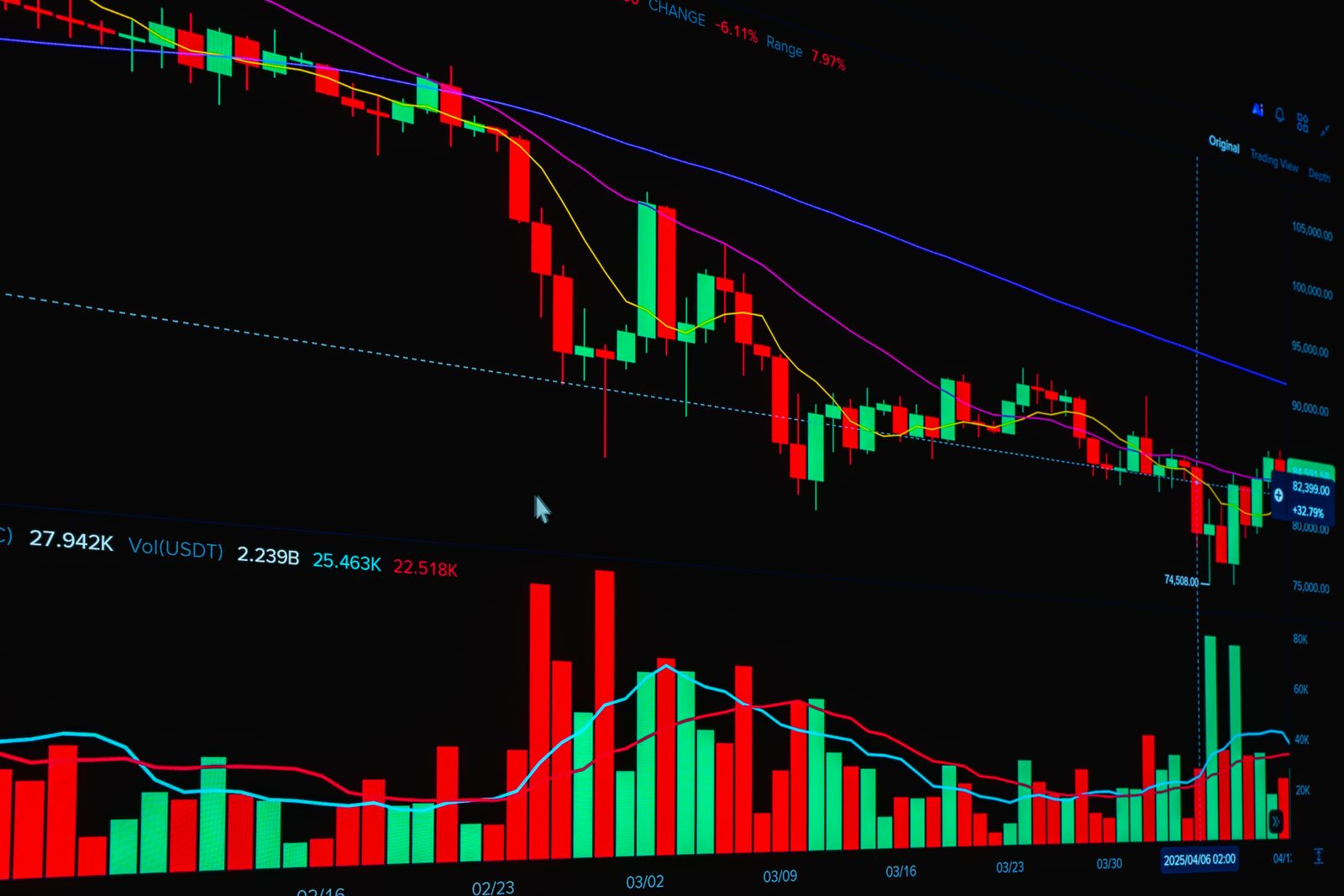
The Nasdaq AI bubble burst on Thursday, November 5, 2026, in the sharpest technology sell-off in more than a year. The Nasdaq Composite plunged 5.5 percent to 24,315.00, its worst single day since the tariff crash of April 2025, as investors rushed out of the chip and data-center stocks that have carried the market for three years. The Nasdaq 100, which holds the biggest names in tech, fell 6.4 percent and erased about $2.5 trillion in market value in a single session. The S&P 500 dropped 4.4 percent, losing 334.89 points to close at 7,353.73, while the Dow Jones Industrial Average shed 1,833 points, or 3.4 percent.
It was the second straight day of selling in AI stocks. What changed? Not a failed funding round, not a default, and not a collapse in demand. The trigger was politics — and a growing doubt that the trillions pouring into artificial intelligence will ever pay off.
A brutal day on Wall Street
The damage was broad, but it was worst where the AI boom had been hottest. The Philadelphia Semiconductor Index, known as the SOX, fell 12 percent to its lowest level in more than six months. Chipmakers and the so-called neoclouds — companies that rent out AI chips to other firms — took the heaviest losses, because their entire business depends on new data centers being built at a frantic pace.
Nvidia, the company whose chips power the AI revolution, dropped about 9 percent and was the heaviest weight on the S&P 500. AMD slumped around 17 percent, even though it had just reported record quarterly results. Micron, the memory-chip specialist, fell about 17.5 percent, and SanDisk plunged 22 percent after falling 7 percent the day before. Arm lost 13 percent, Intel fell about 10 percent, and Broadcom dropped 10 percent.
The neoclouds fared no better. CoreWeave, which has become a barometer of investor anxiety over heavy AI spending and borrowing, fell about 10 percent. Iren dropped almost 17 percent and Nebius about 15 percent. Amazon and Alphabet each slid 2.2 percent, while GE Vernova, which makes the turbines that power data centers, fell 7.5 percent. All told, the seven largest tech firms lost close to $900 billion between them.

Why the AI trade broke
What did not cause it is striking: no failed funding round, no major default, no collapse in demand for AI chips. Instead, three forces collided: a political earthquake, doubts about the AI spending payoff, and weak earnings guidance from two chip giants.
Data centers became a political target
The immediate trigger was the Democrats’ midterm election victory on November 3, when the party won both chambers of Congress. Investors now fear that a Democratic Congress — and newly elected state leaders — will slow down the data-center buildout that the entire AI trade depends on. Data centers had become a major campaign issue in at least four states — Texas, Ohio, Georgia and Michigan — where Democratic candidates for governor campaigned against the industry’s rapid expansion, its huge electricity use and its impact on local communities.
That matters because the AI boom is, at its core, a construction boom: hundreds of billions of dollars are being spent on data centers, chips and power plants. If those projects are delayed or canceled, the companies supplying them lose their growth story overnight.
The political shift does not mean every project will be abandoned, but some will be delayed or canceled — enough to change the outlook for an industry priced for endless growth, and a possible reckoning for smaller firms whose ability to raise money was already limited by higher interest rates.
The earnings trigger: Intel and Qualcomm
Politics lit the fuse, but weak earnings guidance provided the spark. Intel, the former semiconductor giant, had already plunged 28.6 percent on October 30 after guiding fourth-quarter revenue to between $15 billion and $16 billion, against about $17.1 billion expected by Wall Street. Its results signaled a slowdown in demand and reminded investors that the chip business is still cyclical — something many had begun to doubt after three years of AI-driven gains.
Qualcomm added to the pressure, falling more than 10 percent after its fourth-quarter outlook disappointed investors. Its handset revenue fell 26 percent year over year to about $5.14 billion, below the $5.25 billion analysts expected, as weak smartphone demand and declining Apple-related revenue overshadowed its expansion into AI infrastructure. AMD’s fall was perhaps the most telling of all: the company fell about 17 percent despite reporting a record $13.4 billion quarter, with data-center revenue up 97 percent. When a company reports its best results ever and its shares still collapse, the market is saying the problem is not the company — it is the story itself.
How far the fall goes
Thursday’s crash was dramatic, but it was not the start of the decline. The correction actually began in June, and the numbers since then show just how far the AI trade has deflated. The Nasdaq is now nearly 12 percent below its record close on October 6, which puts it officially in correction territory — a fall of more than 10 percent from a recent peak.

Since their highs, Nvidia has lost about 25 percent of its value, while Micron has dropped 55 percent. Intel’s share price has fallen by a factor of 2.6 from its peak. The SMH semiconductor index has lost one-third of its value since June. Google is down 30 percent from its peak and Amazon is down 10 percent. CoreWeave’s market value has shrunk by more than two-thirds, and Oracle has seen its value cut in half. Even SpaceX and Tesla, the companies of Elon Musk that had been favored under the Trump administration, have plunged since November 3 — down 55 percent and one-third from their respective highs.
The October 30 rout alone erased more than $1 trillion from technology valuations; Thursday’s session wiped out another $2.5 trillion from the Nasdaq 100.
What the crash means for the AI boom
The crash has left the AI giants facing a dilemma. According to the Wall Street Journal, OpenAI executives met the day after the elections to discuss whether the results would affect their development plans. The company is at the center of the spending boom, with commitments to data-center capacity that run into the hundreds of billions of dollars — and now the political ground under those plans is shifting.
The market turmoil has come just as Anthropic, one of the leading AI companies and less financially constrained than OpenAI, is preparing to go public. Its valuation, once talked about at $2 trillion, had already been revised downward to around $1.5 trillion before the midterms — and even that now looks high after Thursday’s rout. If the most valuable private AI company cannot command its expected price, it will be a signal to the whole industry that the era of easy money for AI is ending.
Thursday’s sell-off also raised a deeper question: is AI eating into the businesses of the very companies funding it? Google is down 30 percent from its peak and Amazon 10 percent, partly because investors worry AI tools are disrupting their own search and shopping businesses. The hyperscalers spent a combined $650 billion or more on AI infrastructure in early 2026, and investors are now asking when — or whether — that spending will pay for itself.
What happens next
The next big test comes on November 17, when Nvidia reports its quarterly results — the first word from the largest AI chip supplier since the election. Traders will be watching not just the numbers, but what Nvidia says about demand for its chips and about the data-center buildout. A strong report could steady the market; a weak one could deepen the rout.
Beyond that, the new Congress will set the tone. If Democrats move quickly to tighten rules on data-center construction or launch investigations into Big Tech, the pressure will continue; a slower approach could recover some losses. Either way, the days when AI stocks only went up are over. The market has learned, in a single brutal session, that even the most powerful technology trend in a generation can run into political reality — and that trillions of dollars can vanish in a day.
Frequently asked questions
Did the AI bubble burst on November 5, 2026?
No single day proves a bubble has burst, but the Nasdaq’s 5.5 percent fall — its worst day since April 2025 — put the index nearly 12 percent below its October record, which is officially correction territory. The sell-off was led by the infrastructure layer of the AI trade: chips, memory and data centers.
Why did tech stocks fall so sharply?
Investors fear that the Democrats’ midterm sweep will slow the data-center buildout and bring more scrutiny and regulation of AI, while doubts grow about whether massive AI spending will pay off. Weak guidance from Intel and Qualcomm added to the selling.
Which stocks fell the most?
Memory and chip stocks were hit hardest: SanDisk fell 22 percent, Micron about 17.5 percent, AMD about 17 percent, and Nvidia about 9 percent. The Philadelphia Semiconductor Index fell 12 percent, and the Nasdaq 100 lost about $2.5 trillion in market value.