
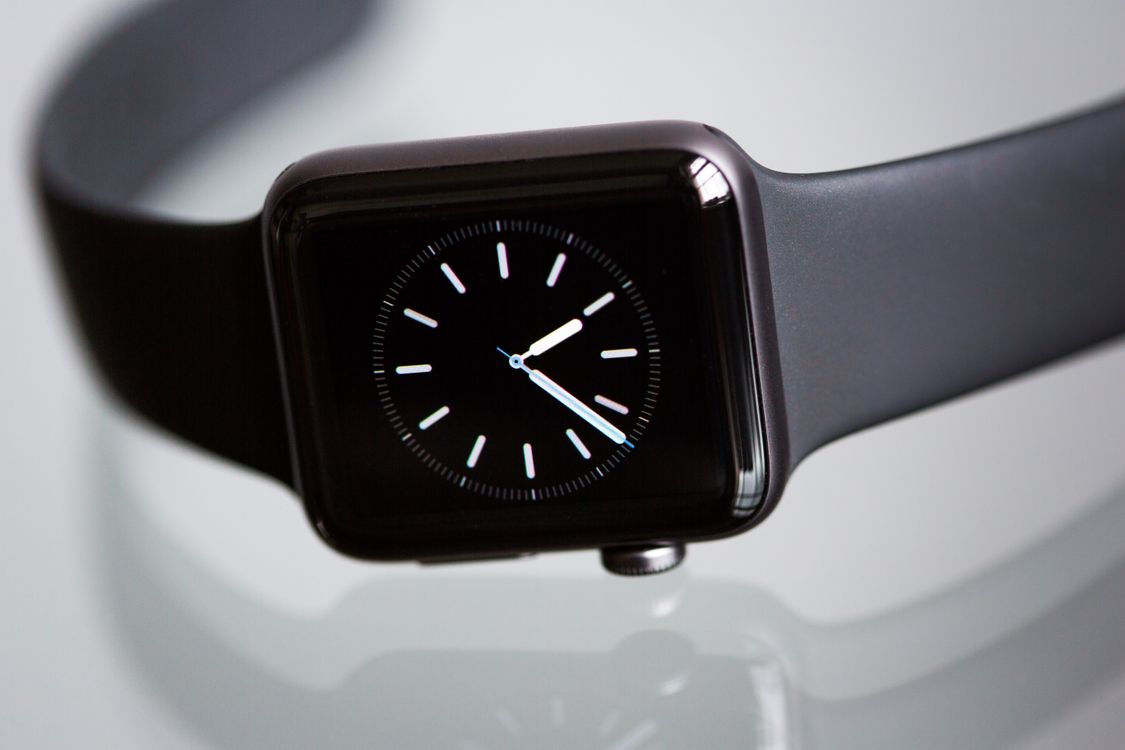
Apple has sold millions of smartwatches on one promise: a computer on your wrist that also looks after your health. The Apple Watch Series 12, on sale since 18 September 2026, is the most focused version of that promise yet. It looks almost identical to last year’s Series 11, but under the glass there is a new sensor system, a new chip and a daily Readiness score with no subscription fee. This Apple Watch Series 12 review brings together published specifications, launch coverage and independent reviews to answer the question buyers in the USA, UK and Canada are asking: is it worth $399?
Note: this review is based on published specifications and independent reviews, not on hands-on testing by Gloz News.
Apple Watch Series 12 price and availability
The Series 12 starts at $399 in the US and £369 in the UK for the 42mm aluminium GPS model. Cellular costs about $100 more, at $499, and the larger 46mm case costs a little extra. Titanium models start higher, and the returning ceramic finish, last seen on the Series 5, is the most expensive option. The watch is widely available from Apple and major retailers in the US, UK and Canada.
That starting price matches the Series 11 launch price, which is good news in a year when memory and storage costs have pushed up gadget prices. Retailers are already discounting it: AppleInsider reported discounts of as much as $50, and the Series 11 has dropped to around $320 on Amazon.
What is new: the Health Sensing System and Readiness score
The headline upgrade is the redesigned Health Sensing System on the back of the watch. Apple rebuilt the sensor cluster with larger green LEDs and an improved optical layout, so it now takes heart rate readings every five seconds in the background, all day long, instead of the occasional samples older watches took. Heart rate variability (HRV) is sampled far more frequently, and the watch adds Recovery HRV to its overnight vitals. Independent testing backs the claim: The Quantified Scientist compared the Series 12 against a Polar H10 chest strap and found a 0.98 correlation during running and a near-perfect match during indoor cycling.
That extra data powers the new Readiness app, a daily score from 0 to 10 telling you whether to push hard or take it easy. It is built on overnight HRV, resting heart rate, sleep and other vitals, and it is included free, with no subscription — unlike Oura and Whoop, which charge a monthly fee for a similar score. Readiness is only available on the Series 12 and the Ultra 4, so it is a real reason to choose this year’s models. The familiar health features remain too: ECG, blood oxygen, hypertension notifications, sleep apnoea notifications, sleep tracking and crash detection.

Design, display and durability
If you wanted a new look, the Series 12 will disappoint you. It comes in the same 42mm and 46mm case sizes as the Series 11, is the same 9.7mm thick, and uses the same LTPO3 wide-angle OLED display, peaking at 2,000 nits outdoors and dimming to 1 nit in the dark.
What changed is toughness. For the first time, the aluminium model gets Ceramic Shield 2, which Apple says is 60 percent tougher than the Ion-X glass used before. Aluminium and titanium cases remain, and ceramic returns in Pearl White and Night Blue. Water resistance is 50 metres, with a 6-metre depth gauge and IP6X dust resistance, so swimming and showering are fine — but this is not a dive watch. That is a job for the Ultra 4.

Battery life and charging
Battery life is the one area where Apple did not move at all. The Series 12 is rated for up to 24 hours of normal use, or 38 hours in Low Power Mode, exactly like the Series 11. GPS workout tracking is rated at up to 10 hours. Reviewers found the watch beat its 24-hour rating slightly, but nightly charging is still part of the routine — the Series 12’s biggest weakness against Garmin and Samsung rivals, some of which last several days.
Charging is faster, at least. Apple says a 15-minute charge gives up to 12 hours of use, and a five-minute top-up is enough for 10 hours of sleep tracking. A quick charge while you shower is usually enough to get through the night and the next morning.
watchOS 27, Siri AI and Audio Intelligence
The Series 12 runs watchOS 27 on Apple’s new S11 chip, a 64-bit dual-core processor with a 4-core Neural Engine, and 64GB of storage. watchOS 27 brings a redesigned Siri AI to your wrist in beta, chattier and more aware of context than the old Siri.
Audio Intelligence is the other new software bundle, pairing the watch with AirPods in new ways. Two of its four features, Live Rewind and Siri Recap, were not ready at launch and are due in beta later in 2026. That is worth knowing before you buy: part of what you pay for is a promise, not a feature you can use today.
Fitness and running
For runners, the Series 12 is a solid smartwatch first and a running watch second. The improved heart rate tracking is the biggest upgrade, and The Run Testers called it one of the better sporty smartwatches available, with a terrific lightweight design and useful smart features for the rest of the day. But it does not match the training analysis of dedicated running watches, it has no dedicated lap button, and its GPS tracks were sometimes slightly off, cutting corners on routes during testing.
For beginners and casual runners, that is a fair trade: running form metrics, workout tracking for dozens of activities, and everyday smartwatch features in one light device. If you are building a wider setup, our guide to the best wireless earbuds under $100 pairs well with a running watch, and our round-up of the best smart home devices for beginners shows how the watch fits into an Apple smart home.
Apple Watch Series 12 vs Ultra 4 vs SE 3
Apple now sells three watches, and the choice comes down to sensors, battery and how rough you are with your gear. The SE 3 starts at $249, runs the older S10 chip, has a dimmer 1,000-nit display and no ECG, blood oxygen or hypertension alerts — but it runs the same watchOS 27 and Siri AI. The Ultra 4 starts at $799 and shares the Series 12’s S11 chip and health features; its extra $400 buys a 49mm titanium case, a 3,000-nit display, dual-frequency GPS, 100-metre water resistance with dive certification to 40 metres, a siren, an Action button and satellite SOS and messaging. Most people should buy the Series 12.
Pros and cons
Pros: the Health Sensing System measures heart rate every five seconds; the Readiness score is free, with no subscription; Ceramic Shield 2 makes the screen much tougher; the price held at $399; the S11 chip and watchOS 27 keep it fast and future-proof; and it is comfortable and light enough to wear 24 hours a day.
Cons: battery life is still only 24 hours, so nightly charging remains; Audio Intelligence features such as Live Rewind are not available yet; the design is unchanged from the Series 11; there is no dedicated lap button for runners; and titanium and ceramic models quickly cost as much as an Ultra 4.
Verdict: should you buy the Apple Watch Series 12?
AppleInsider gave the Series 12 a score of 4 out of 5, calling it the best non-Ultra Apple wearable yet, and Best Buy’s review rated it 4.5 out of 5. If you are buying your first Apple Watch, or upgrading from a Series 9 or older, the Series 12 is the one to buy. If you own a Series 11, the upgrade is harder to justify unless Readiness and faster heart rate readings matter a lot to you, because the design, display and battery are unchanged. See Stuff‘s Series 12 vs Series 11 comparison for a detailed look at what’s new.
Discounts of $50 have already appeared, so watch for holiday deals. Buy the GPS model if your iPhone is usually nearby, and pay the extra $100 for cellular only if you run, swim or walk the dog without your phone and still want calls and music.
Frequently asked questions
Is the Apple Watch Series 12 worth it in 2026?
Yes, for most buyers. The new health sensors and free Readiness score are real upgrades over the Series 11, and the $399 starting price is unchanged. Series 11 owners can reasonably wait another year.
How long does the Apple Watch Series 12 battery last?
Apple rates it at up to 24 hours of normal use, or 38 hours in Low Power Mode.
Does the Apple Watch Series 12 work with Android?
No. Like all Apple Watches, it needs an iPhone 11 or later, or an iPhone SE (2nd generation or later), running iOS 27.
Conclusion
The Apple Watch Series 12 is not a redesign; it is a refinement, and the refinement is in the right place. The Health Sensing System and the free Readiness score make it a better health companion than any Apple Watch before it, the tougher screen should survive everyday knocks, and the price has not gone up. The 24-hour battery and unfinished Audio Intelligence features are real drawbacks, but for most buyers they are outweighed by what the watch already does well. If you want the best everyday Apple Watch in November 2026, this is it.