

Nvidia has reinstated Jensen Huang as its chief executive, just 11 days after he resigned amid a scandal involving an alleged Chinese spy, and President Donald Trump says he personally convinced the company’s board to bring him back. The decision, announced on Monday, November 23, has set off a bipartisan backlash in Congress, where lawmakers from both parties say the president should not have intervened and are demanding answers about national security.
Huang, 63, founded Nvidia in 1993 and built it into a multi-trillion-dollar company at the centre of the global artificial intelligence boom. His resignation on November 12 stunned the tech industry and roiled markets. His return, 11 days later, is almost as startling, not least because Nvidia’s own board said last Tuesday that it had no intention of reinstating him. Something changed in the days that followed, and by the president’s own account, that something was him.
Trump celebrated the decision on Truth Social on Monday morning, calling it an “absolutely GREAT decision” and writing: “The NVIDIA Board of Directors has made the correct and proper decision to return Jensen Huang to the position of CEO.” In an interview with CNBC shortly after the announcement, he said he had been speaking to the board “directly and indirectly” and added: “I felt very strongly about it.” He said he did not think the board would have made the move without his intervention.
How the comeback happened
The timeline is short and, by the standards of corporate governance, extraordinary. Huang resigned on November 12, after Nvidia and the FBI opened investigations into an extramarital relationship he had with Alice Huang, a Singaporean tech executive suspected of working as a spy for the Chinese government. The following Tuesday, Nvidia’s board said publicly that it had no intention of bringing him back.
Trump had already made his preference clear. At a White House press conference on November 20, he said he would “love to see” Huang reinstated. On the evening of Sunday, November 22, Trump explicitly urged the Nvidia board to reinstate Huang, and The New York Times reported that he asked Vice President J.D. Vance to talk to Huang and work with the board to get the chief executive reinstated.
Nvidia told Trump on Sunday that it would announce Huang’s reinstatement on Monday. The board’s vote on November 23 was unanimous. Trump, calling in to CNBC on Monday, said the board had asked him for “assurance on the national security threat” and that he had given it. “There’s nothing wrong with a comeback, and they came back and they did the right thing,” he said.
The White House framed the decision as a matter of protecting American talent. Communications Director Steven Cheung said: “President Trump was totally involved and this is a great decision by the NVIDIA board. We have to protect our geniuses.” Trump wrote on Truth Social that the US government “has no reason to believe that Jensen’s return to NVIDIA poses any risk to National Security” and said Attorney General Todd Blanche had “confirmed” there was no evidence of “unlawful conduct.”
Why Huang resigned
Huang resigned after investigations by his company and the FBI into an extramarital relationship with Alice Huang, a Singaporean tech executive and former executive at the Singapore-based tech firm Megaspeed, who was suspected of working as a spy for the Chinese government. The New York Times also reported that Huang had an affair with a fellow company executive.
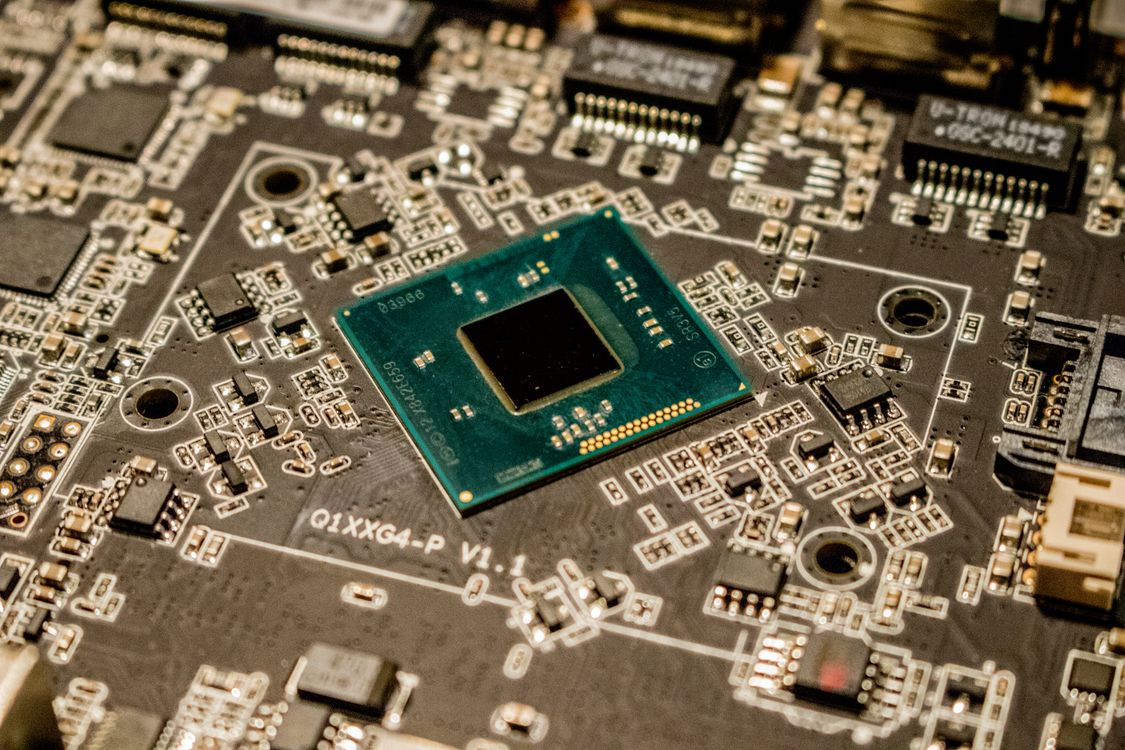
The affair mattered because of what was allegedly at stake alongside it. Members of Congress have raised concerns about the smuggling of America’s most advanced computer chips to China, and about who approved high-end chip sales to Beijing. Nvidia’s chips are the hardware on which the AI race runs, and Washington has spent years tightening export controls to keep the most advanced versions out of Chinese hands. A chief executive entangled with a suspected Chinese intelligence asset, in that context, was a problem the board could not ignore.
It is worth being precise about what has and has not been established. The relationship and the investigations are reported facts. The allegation that Alice Huang worked as a spy for China is a suspicion held by investigators, not a proven charge, and no evidence of unlawful conduct by Jensen Huang has been made public.
Congress pushes back, from both parties
The reaction on Capitol Hill has been unusually bipartisan, and unusually blunt. Members of Congress on both sides of the aisle broke with Trump over his involvement in getting Huang reinstated, and said his role as chief executive could pose national security threats.
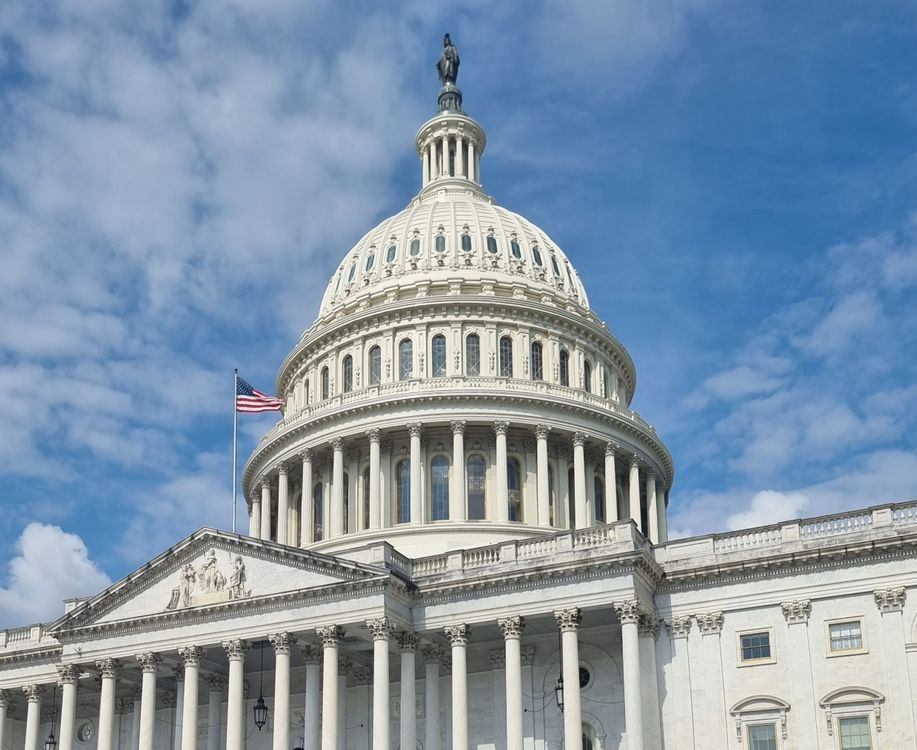
Representative Brian Mast, the Republican chairman of the House Permanent Select Committee on Intelligence, said Huang would testify before his committee, and warned: “Congress needs to get to the bottom of who approved high end computer chips sales to China.” Mast wrote that “the reports of Jensen Huang’s alleged affair with a Chinese intelligence asset and the smuggling of our most advanced technology to China is extremely concerning.”
Republican Representative Don Bacon of Nebraska said on X that Nvidia should have ignored the administration’s push to reinstate Huang. Republican Senator Pete Ricketts of Nebraska said Huang’s behaviour should have barred him from being reinstated, and added: “Nvidia’s decision today doesn’t excuse Jensen Huang from testifying before Congress.”
Democrats went further, questioning the president’s motives. Senate Minority Leader Chuck Schumer accused Trump of putting his own financial interests first, and said: “The Trump Administration’s rush to reinstate Jensen Huang underscores the need for Congress to act.”
Trump’s Nvidia stock trades
The conflict-of-interest question is sharpened by the president’s own trading history. Trump has bought and sold tens of millions of dollars in Nvidia stock since returning to office in January 2025, including a purchase of up to $265,000 in September, Reuters reported. A CNBC analysis of the president’s financial disclosures found that his investment accounts bought and sold Nvidia stock at least 103 times since he returned to the White House, in transactions totalling between $27 million and $97.5 million.
The White House has said that third parties independently manage Trump’s investments and replicate “recognized indexes, such as the Schwab 1000,” according to White House spokesperson Davis Ingle. Trump reported $2 billion in income in 2025, according to his financial disclosures.
None of that proves the president profited from the reinstatement, and the White House’s position is that he has no say in the trades. But the appearance is awkward: a president who trades a stock heavily, then personally lobbies the company’s board, then celebrates the result on social media, while the stock rises.
Why Trump wanted him back
Trump’s reasons for wanting Huang back are not hard to understand. Huang has emerged as a top tech ally of the president as he pushes for advancements in artificial intelligence and defends the controversial data centres that power it, and Trump has treated Nvidia’s success as a proxy for American success in the AI race.
There is also a practical argument for the reinstatement, and it is one the board itself evidently accepted. Huang is Nvidia in a way few founders are: he built the company, he is its public face, and the market’s confidence in it is bound up with him. The board’s unanimous vote suggests that, whatever its reservations a week ago, it concluded the company was worth more with him than without him.
What happens next
The immediate next step is testimony. Mast has said Huang will appear before the House Intelligence Committee, and Ricketts has said the reinstatement does not excuse him from testifying. Expect the hearings to focus on three questions: what Huang knew about the alleged Chinese intelligence connection, who approved advanced chip sales to China, and what role, if any, the White House played beyond the public lobbying Trump has already described.
For Nvidia, the immediate problem is governance. The company must now explain to shareholders and regulators how a board that ruled out a return changed its mind in six days, and what assurances it received about the investigations that prompted the resignation. For Trump, the problem is the opposite: he got what he wanted, in public, and now owns the consequences if the hearings turn up anything damaging. For now, Huang is back, the stock is up, and the president is celebrating. The hearings, the chip-sale questions and the conflict-of-interest scrutiny are all still to come, and they will decide whether this was a comeback or a reprieve.
Frequently asked questions
Why was Jensen Huang reinstated as Nvidia CEO?
Nvidia’s board unanimously voted on November 23, 2026, to bring Huang back as president and CEO, 11 days after he resigned. President Trump said he spoke to the board directly and indirectly and convinced it to reinstate Huang.
Why did Jensen Huang resign from Nvidia?
He resigned on November 12, 2026, amid investigations by Nvidia and the FBI into an extramarital relationship with Alice Huang, a Singaporean tech executive suspected of working as a spy for the Chinese government. The New York Times also reported an affair with a fellow Nvidia executive.
Will Jensen Huang testify before Congress?
Yes, according to House Intelligence Committee Chairman Brian Mast, who said Huang will testify before his committee. Senator Pete Ricketts has said the reinstatement does not excuse Huang from testifying, and Congress also wants answers on who approved advanced chip sales to China.