
The climate summit collapsed on Sunday, November 22, 2026, ending without an overarching deal after more than two weeks of bitter negotiations in Antalya, Turkey. It was the first time in 17 years that the annual United Nations climate talks failed to produce a final agreement, and the longest climate conference in history.
At the closing session, COP31 President Murat Kurum admitted defeat before exhausted delegates from nearly 200 countries. “We have done our utmost,” he said, “but it is clear that there are parties in this hall who oppose this text. We recognize that there is no consensus on this document.” The summit had run a record two days into overtime, and the final text was rejected 44 hours after the official closing time.
What Happened in Antalya
COP31 opened on November 9 in the Turkish resort city of Antalya, co-hosted by Turkey and Australia, with modest expectations. No major decisions were officially on the agenda. But the two co-hosts had set a bigger goal: a framework decision, called the Antalya Pact, that would send a strong political message on the climate crisis and keeping warming within 1.5 degrees Celsius.
Around 92,000 people had registered to attend the longest United Nations climate conference ever held. The first draft of the “cover decision” — the overarching agreement from the conference — was published on the first Monday of the talks and called for “the immediate transition away from fossil fuels in energy systems.” By the final weekend, every mention of fossil fuels had been stripped out.
The European Union, the United Kingdom, Panama, Switzerland, Norway, the Marshall Islands, the least developed countries and other climate-vulnerable nations said they could not accept a text that did not even name coal, oil and gas, the main drivers of global warming. Russia, China and the Arab countries, by contrast, were prepared to support it. Under United Nations rules, climate decisions are taken by consensus, which means just one of the nearly 200 nations involved can block an agreement. In Antalya, the divide was far wider than one country.
The Two Words That Killed the Deal
In common with previous climate summits, the biggest sticking point came down to two words: fossil fuels. The debate came down to four elements: the phrase “fossil fuels”, carbon capture technology, a 35 percent electrification target, and the amount of adaptation funding.
More than 100 countries had pushed to keep fossil fuel language in the text. Around 130 countries, together with the European Union, signed a letter to the presidency demanding that any deal at Antalya must include a mention of transitioning away from fossil fuels. It made no difference. Every subsequent draft removed the words, replacing them with an oblique reference to a previous global deal from 2023 to shift the world away from fossil fuels, without naming them explicitly.
Darragh O’Brien, Ireland’s climate minister, who helped lead negotiations for the European Union, said the bloc would not endorse a deal “that does not even mention fossil fuels.” EU Climate Commissioner Wopke Hoekstra had warned on Saturday that it was “either going to be a good deal or it’s going to be no deal.” In the end, it was no deal. Developing nations, whose climate finance needs run to trillions of dollars through 2030, were left with no new money.
Saudi Arabia and the Oil States Held the Line
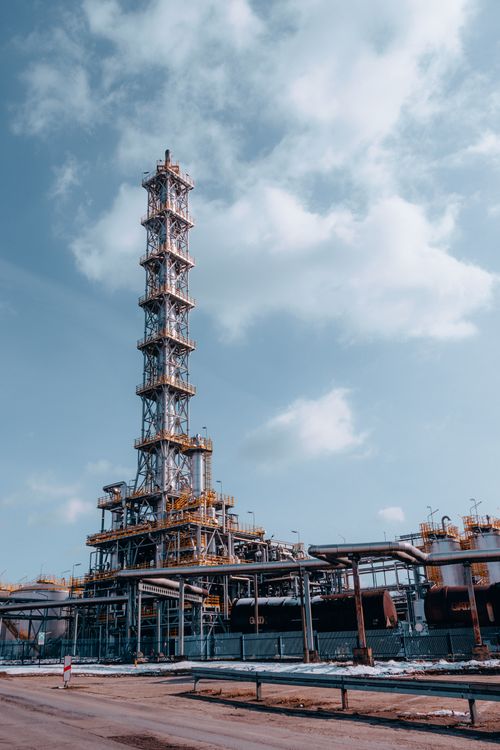
At the center of the collapse stood Saudi Arabia and the other major oil-producing nations. According to Reuters, Saudi officials had regular access to the talks’ Turkish and Australian presidents while negotiators from small island states, Latin America, Asia and Africa complained that promised meetings with the presidency were cancelled again and again. Riyadh was at the forefront of resisting any language on reducing reliance on fossil fuels, negotiators said, and that was chiefly why a political agreement could not be reached for the first time since 2009.
Saudi Arabia and fellow members of the Organization of the Petroleum Exporting Countries have long opposed climate language targeting fossil fuels, arguing that oil, gas and coal need to remain part of the global energy mix for the foreseeable future.
The oil states also insisted on language boosting carbon capture and storage, a technology championed by the fossil fuel industry but criticized by scientists as costly and ineffective. It can capture around 50 million tons of carbon a year at best, just 0.1 percent of a conservative estimate of global greenhouse gas emissions, yet the final draft leaned heavily on it. After the collapse, O’Brien told Reuters bluntly: “This COP, I believe, was hijacked by some oil states.” But several negotiators said Riyadh’s hand was strengthened by the absence of the United States and the lack of US-China coordination that had brokered compromises at earlier summits.
The American-Shaped Hole at the Table
One absence hung over the entire summit: the United States. Under President Donald Trump, Washington has pulled out of international climate action, and the American delegation was not an active player in Antalya. Its withdrawal removed the world’s largest historical emitter, and one of the traditional deal-brokers, from the room. The same administration is pressing a Ukraine peace plan that still leaves the Donbas question unresolved.
Without the close US-China coordination that had delivered compromises at earlier COPs, the field was left open for the oil-producing nations to shape the talks. As Reuters reported, several negotiators said Saudi Arabia’s influence grew precisely because there was no active American engagement to counterbalance it.
The backdrop made the failure even more damaging. The war between the United States and Iran has caused the world’s largest energy supply shock, sending energy prices soaring and forcing governments to focus on securing supplies rather than cutting emissions. The Lowy Institute’s Asia Power Index 2026 likewise found the Iran war has drained American power and narrowed the United States’ lead over China in Asia to a record low. Climate diplomacy, in other words, collapsed at the very moment that geopolitics made it hardest.
What COP31 Did Manage to Save
For all the wreckage, COP31 was not a complete flop. Around 90 countries signed up to the co-hosts’ top priority: a pledge to increase the share of final energy use coming from electricity from 22 percent today to 35 percent by 2035. Another 47 countries joined a goal to reduce methane and other super-pollutant greenhouse gases. Chris Bowen, Australia’s energy minister and the COP31 president of negotiations, called the result “very disappointing” but pointed to “a lot of good things” that came out of the talks.
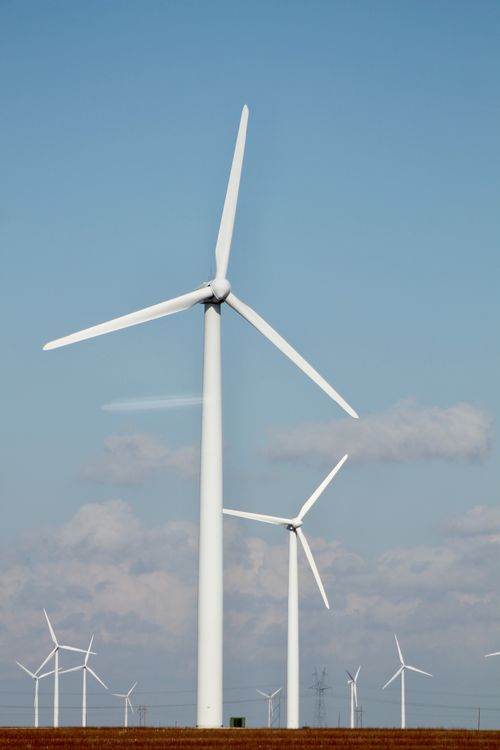
The collapse also does not undo the deals made at previous summits. The Paris Agreement’s requirement for each country to set national targets to reduce greenhouse gas emissions, and to ratchet up their ambition over time, remains in force. So does the agreement reached at COP28 in Dubai to speed up the adoption of clean energy. Solar and wind power are now cheaper than the fossil fuels they are replacing.
What the Collapse Means, and What Happens Next
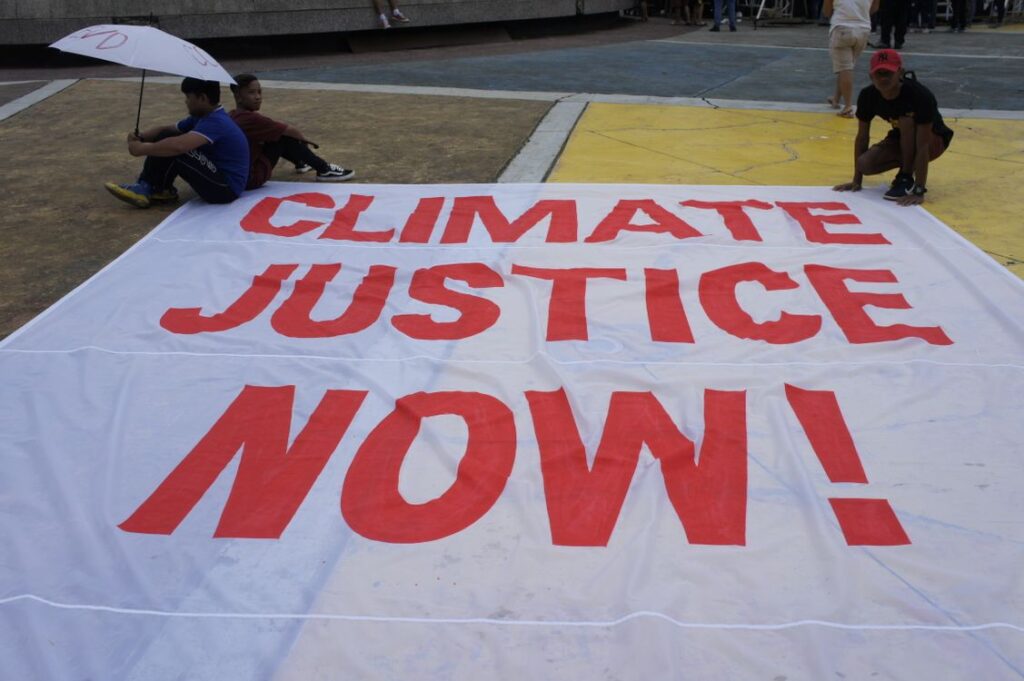
The failure in Antalya raises serious questions about the future of the COP process itself. For three decades, the annual climate talks have been the main forum for global action on warming. In Australia, opposition politicians blamed Bowen and called for his resignation, while Pacific island nations that contributed almost nothing to global warming are left facing rising seas with no new commitments from the world’s biggest polluters.
The summit laid bare the gap between the countries seeking ambitious action, often the most climate-vulnerable, and the oil-rich nations pushing back — a gap that has hardened into a wall. Some analysts argue the failure could be healthy if it forces reform of the process, including replacing consensus with majority voting.
The timing could hardly be worse. The world has just passed the point where temperatures are set to overshoot the 1.5-degree threshold, and the gap between what countries have promised and what they are doing is wider than ever. For readers in the United States, the United Kingdom and Canada, the collapse has practical consequences too. Energy prices are already volatile because of the Iran war, and a world without a coordinated climate plan is a world where energy policy is decided country by country, crisis by crisis. Governments must now decide whether to raise their national climate targets on their own, without waiting for the next summit to tell them to.
Frequently Asked Questions
Why did COP31 collapse?
COP31 collapses are rare in climate diplomacy, but this one failed because countries could not agree on the final text, known as the Antalya Pact. The draft omitted any mention of fossil fuels, and the European Union, the United Kingdom, small island states and other vulnerable nations refused to endorse a climate deal that did not name coal, oil and gas. Saudi Arabia, Russia and other oil producers blocked the inclusion of fossil fuel language, and with decisions taken by consensus, no agreement was possible.
What is COP31 and where was it held?
COP31 was the 31st United Nations Climate Change Conference, held in Antalya, Turkey, from November 9 to November 22, 2026. It was co-hosted by Turkey and Australia. Around 92,000 people registered to attend, and it became the longest COP in history after running two days into overtime.