
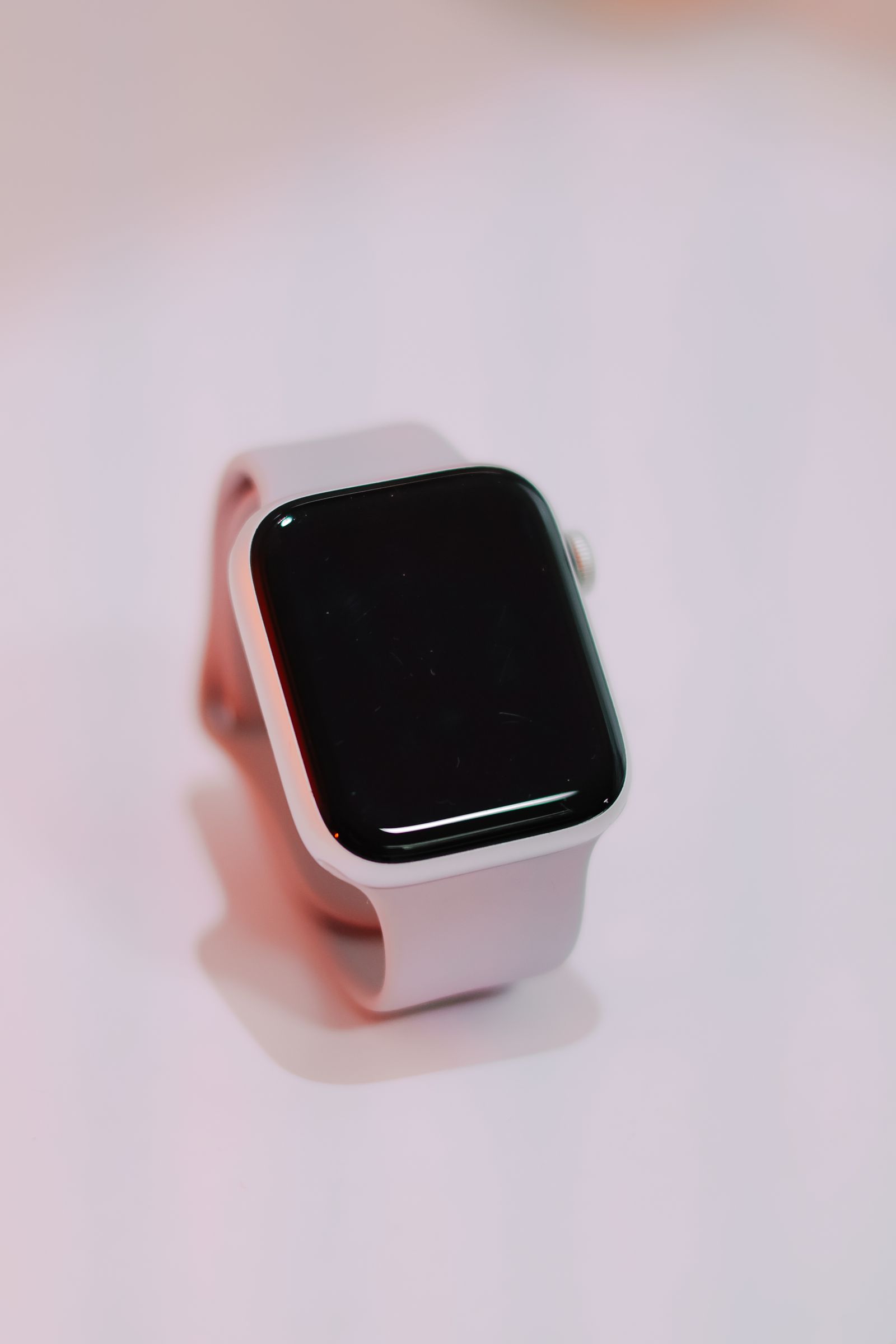
Oppo has launched the Oppo Watch 5 in China, and it is one of the most aggressive value plays in the smartwatch market this year. The new watch pairs a 3,000-nit AMOLED display with a claimed 10 days of battery life, a new FatMax fat-burning coaching mode and a full set of health sensors — all from CNY 899, roughly $130. The Oppo Watch 5 price and specs put it up against watches that cost two or three times as much.
The watch went official on November 16, 2026, alongside the Oppo Reno 17 Pro series, the Oppo Pad Air 6 tablet and the Enco Clip 2 earbuds. It goes on sale in China on November 20, with no global launch date announced yet.
Oppo Watch 5 price and specs
The Oppo Watch 5 price and specs start at CNY 899 (about $130) in four finishes: Starry Black, Fairy Tale Green, Moonlight White and Wish Orange. A fifth colour, Enchanted Purple, costs CNY 999 (about $145). In some Chinese regions a 15 percent subsidy can cut the price to about $112 — less than half the Watch 4 Pro’s CNY 2,299 launch price in 2023.
Pre-orders are open through Oppo’s own stores and authorised retailers in China, with first deliveries on November 20, 2026. For now it is China-only, and its payment and transit features are built for China. An India launch is tipped for December or January, but unconfirmed.
The flagship OPPO Watch X3 reached the UAE, Singapore, Australia and Europe but still has no US release, so buyers in the US, UK and Canada should treat the Watch 5 as a sign of where prices are heading, not a watch they can buy this week.
A 3,000-nit display built for bright sunlight
The headline specification is the screen. The Oppo Watch 5 has a 1.85-inch AMOLED display with a 390 x 450-pixel resolution and 322 pixels per inch, protected by Gorilla Glass 5. In normal use it runs at up to 600 nits, rising to 1,500 nits in bright sunlight. In Oppo’s own sports modes, peak brightness reaches 3,000 nits — matching the flagship Watch X3 and the Xiaomi Watch S5 41mm, and enough to keep the screen readable on a sunny run without shading it with a hand.
That matters because screens wash out in direct sun, exactly when runners need pace and heart rate at a glance. The trade-off is power: the brightest mode is reserved for workouts, and the always-on mode cuts battery life from seven days to three.
Light, thin and tough: design and build
Oppo has made the Watch 5 remarkably light. The aluminium alloy case measures 42 x 37.27 x 9.2mm and weighs about 25 grams without the strap — lighter than a AA battery — and 42 to 46 grams with the strap, depending on the colour. At 9.2mm it is Oppo’s thinnest watch yet, and light enough to wear overnight for sleep tracking.
The square dial will look familiar to anyone who has worn an Apple Watch, but the Watch 5 is a practical sports watch, and the toughness ratings back that up: 5ATM water resistance, plus IP69 and IP69K dust and water protection. That means it can be worn swimming and should survive dust, jets of water and the knocks of outdoor training. Oppo offers more than 3,000 watch faces.
FatMax coaching turns fat burning into a plan
The most interesting new feature is FatMax, a coaching mode built around fat burning. Instead of simply reporting how many calories you burned, FatMax works out your personal fat-burning heart rate zone from your historical biometric data, guides you into that zone during a workout, and estimates how many grams of fat you burned. It is the number gym-goers care about: grams of fat, not just calories.
FatMax sits inside a training system covering more than 100 sports modes, from running and swimming to tennis and badminton. The watch auto-detects running, walking and cycling, and afterwards reports training effect, fitness level and recovery time.
That coaching depth is unusual at this price, though wrist-based estimates are never as precise as lab measurements, and independent testing will need to confirm the fat-burn figures.
Health tracking, from heart rate to sleep apnoea
Health monitoring covers the expected bases and a few extras. The Oppo Watch 5 tracks heart rate continuously, measures blood oxygen, and sends alerts for irregular heart rhythms. A wrist temperature sensor and menstrual cycle tracking with workout recommendations round out the picture. Sleep is tracked through the day and night, with sleep quality reports and an apnoea risk assessment — a feature that can flag a condition many people do not know they have.

It also produces a daily wellbeing score from heart rate, sleep, stress and activity — a readiness number like those on Whoop, Oura and Garmin watches.
There are limits: no ECG, so it cannot take an electrocardiogram the way an Apple Watch or Samsung Galaxy Watch can, and its readings are guidance, not medical advice.
Battery life: up to 10 days on a charge
Battery life is the Watch 5’s other big selling point. The 351mAh battery is rated for up to seven days of regular use, up to 10 days in the longest-life mode, and three days with the always-on display switched on. A full charge over the magnetic charger takes about 90 minutes.
Seven days of normal use is the number that matters. It means charging once a week instead of every night, wearing the watch to bed every night for sleep tracking, and taking it on a long weekend without packing a charger. The 10-day figure applies to a power-saving mode with features off, not GPS workouts.
Software, connectivity and what is missing
The Watch 5 runs ColorOS Watch 17 on Oppo’s BES2710IBP low-power processor, and it pairs with phones running Android 10 or later and iOS 16 or later — so iPhone owners are supported, unlike with the Wear OS-powered Watch X3. Bluetooth 5.2 handles the phone connection, and NFC is on board for transit cards, access control and some car keys in China.
Positioning uses single-frequency GPS, BeiDou, Galileo, GLONASS and QZSS — no dual-band GPS, so city route tracking may be slightly less precise.
It is not a full Wear OS smartwatch: no Google Play store, Gemini or Google Wallet, since ColorOS Watch is a lightweight platform. Buyers wanting third-party apps or contactless payments outside China should look at the Watch X3 or a Galaxy Watch instead. Full launch details are in GizmoChina’s launch report and The 5krunner.
Oppo Watch 5 vs Oppo Watch X3 and the rivals
Below the flagship OPPO Watch X3, the Watch 5 gives up the titanium case, sapphire display, Wear OS 6 with Gemini and the app store — but it is lighter, cheaper, works with iPhones and lasts longer on a charge. The X3 costs several times more (about €379 in Europe) and manages five days of battery from a 646mAh cell.
Its closest rival may be the Xiaomi Watch S5 41mm, which also has a 3,000-nit AMOLED and up to 14 days of battery, and is confirmed for global sale. Both target buyers who want a bright screen and a week of battery without flagship prices.
Against the Apple Watch, which still leads on sensors, apps and ecosystem but needs charging every day or two, Oppo’s pitch is simple: a $130 watch that lasts a week and reports fat burned beats a $400 watch that dies overnight.
Should you wait for a global launch?
For now, the honest answer is that most readers cannot buy the Oppo Watch 5. It is on sale in China from November 20, with no international date announced. Oppo’s track record suggests a wider rollout is possible — the Watch X3 reached Europe, Australia and the Middle East — but the company has never officially sold a smartwatch in the United States, and there is no sign that is about to change.
UK and Canadian buyers have better odds, since Oppo sells wearables in the UK, and an India launch is tipped for December or January. A global version could appear in early 2027.
If you are shopping today, the Oppo Watch 5 price and specs are still a useful benchmark: does a rival watch last a week, stay readable in sunlight, and cost under $150?
The bottom line
The Oppo Watch 5 is a $130 smartwatch with a 3,000-nit display, 10-day maximum battery, FatMax coaching and serious health tracking. Its weaknesses are the ones Oppo chose: no ECG, no dual-band GPS, no app store and no global launch yet. For runners and anyone tired of nightly charging, it is one of the most interesting wearables of the year. If a global launch comes at anything close to the Chinese price, it will be hard to ignore.