
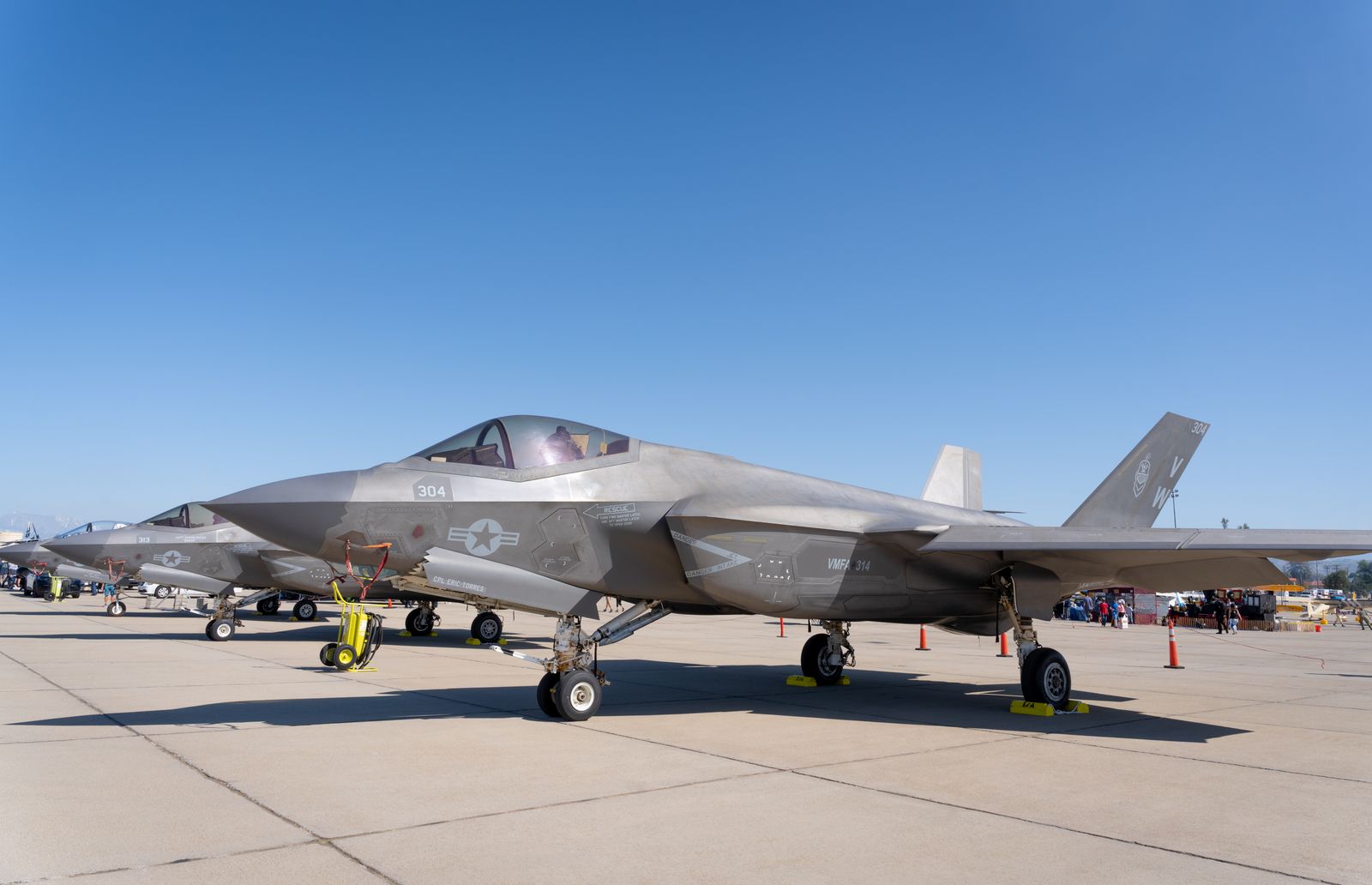
WASHINGTON — The Pentagon rebukes Canada in unusually blunt terms, accusing its closest ally of failing to carry its share of defending North America. In a fact sheet released on Monday, November 23, 2026, the United States Defense Department said Ottawa had not made the hard decisions needed to modernise its armed forces or meet its NATO commitments — and warned that Canada’s review of its planned purchase of 88 American-made F-35 fighter jets is creating uncertainty for NORAD.
“Canada’s defense shortfalls speak for themselves,” the document said. “Canada must get serious and focused.”
The rebuke is the sharpest public criticism Washington has aimed at Ottawa in years, and it lands as President Donald Trump’s trade war continues and days after Defence Secretary Pete Hegseth issued a classified memo restricting defence cooperation with Canada. Neither Canada’s Department of National Defence nor Prime Minister Mark Carney’s office commented.
What the Pentagon’s fact sheet says
The document opens bluntly. “Unfortunately, Canada has yet to make the hard decisions and tradeoffs needed to put it on track to fulfill its NATO Defense Investment Pledge and become a credible partner in the defense of our shared continent,” it says.
The Pentagon accuses Ottawa of failing to modernise its armed forces and fulfil its NATO commitments. It says Canada has no credible, fully costed plan to reach the alliance’s new 5 percent target for defence and related security by 2035, and is pushing the largest spending increases beyond the next federal election, due in 2029.
Hegseth is described as “laser focused” on modernising Canada’s military after decades in which American taxpayers shouldered much of the cost of defending the continent. The fact sheet also accuses Canadian leaders of putting “parochial economic and commercial interests” ahead of military effectiveness.
The readiness numbers behind the rebuke
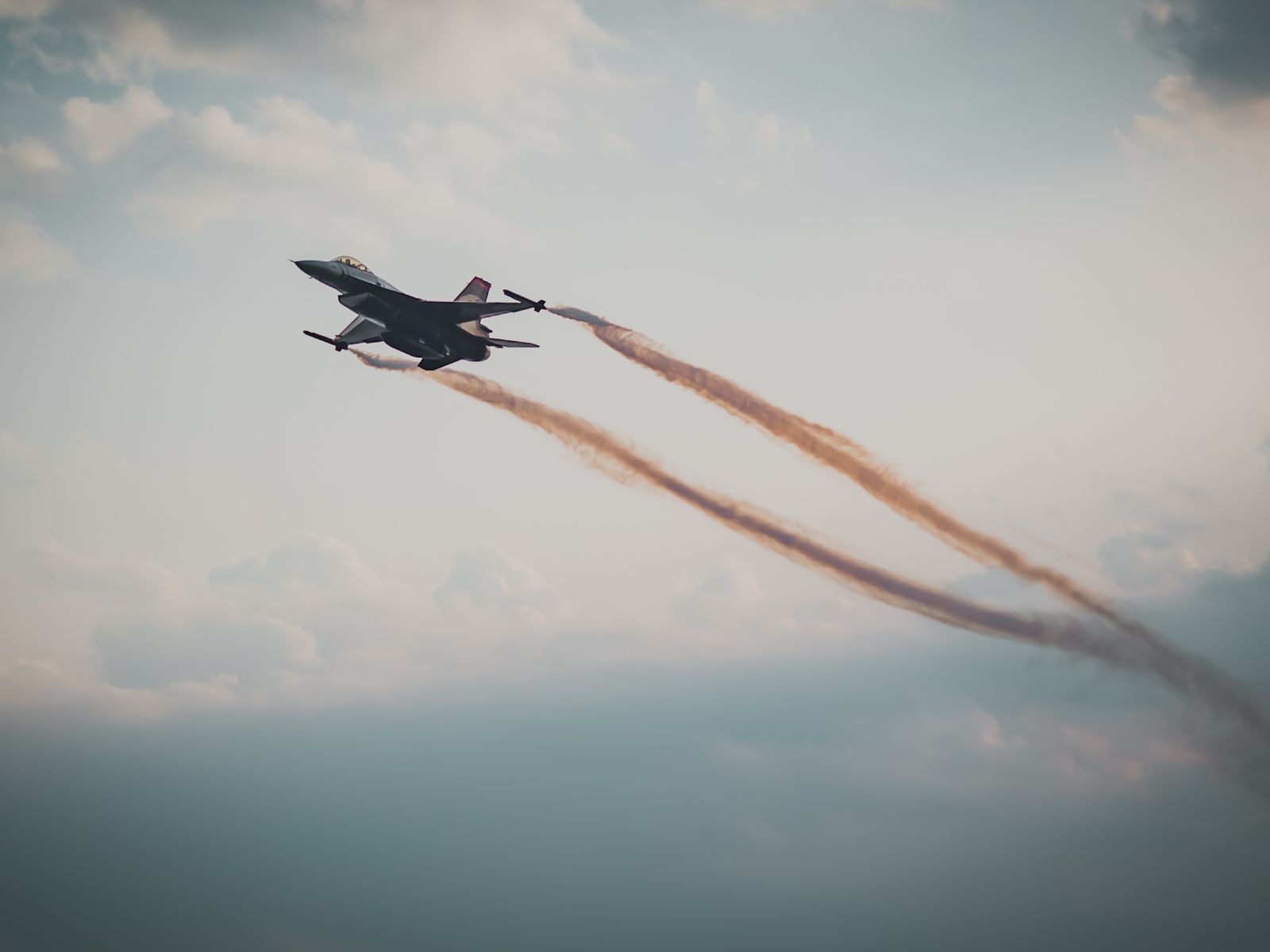
The Pentagon backs its case with readiness figures for 2025-26: only 41.9 percent of Canada’s air force fleet was serviceable, 53.9 percent of the naval fleet was ready, and army readiness stood at 48 percent. The document says the air force figure directly limits Ottawa’s contribution to North American air defence.
Of Canada’s four submarines, only one is operational — a problem Carney has himself acknowledged. Ottawa has named Germany’s Thyssenkrupp Marine Systems as preferred supplier for up to 12 replacements. The Pentagon says the shortfalls affect Canada’s contribution through NORAD, the binational command based in Colorado Springs. Canada’s parliamentary budget watchdog has also questioned whether the spending commitment is credible.
The F-35 review at the centre of the row
Carney’s government has been reviewing whether to buy all 88 F-35 jets from Lockheed Martin, a deal worth tens of billions of dollars, and has looked at Swedish-built Gripens that could bring manufacturing work to Canada. The Pentagon warned a mixed fleet could deepen personnel shortages and create uncertainty for NORAD.
Carney ordered the review as Trump threatened Canadian sovereignty and imposed tariffs. In June, he said Canada should no longer send three-quarters of its defence capital spending to the United States — spend more on defence, but spend more of it at home and in Europe. The review has run for more than a year with no decision, and the Pentagon’s intervention raises the cost of moving away from the American jet — and of indecision, as Canada’s ageing CF-18s grow older.
The NATO target and the spending gap
Canada has met NATO’s old target of spending 2 percent of GDP on defence and joined allies in pledging 5 percent of GDP on defence and security by 2035. That pledge is the benchmark the Pentagon is measuring Ottawa against — and, in Washington’s view, Canada is failing it.
Ottawa’s latest budget projects combined defence and security spending of 4.1 percent of GDP by 2027-28, but only 2.6 percent for core defence. The Pentagon says Ottawa “has yet to articulate a resourced path” to 5 percent and is deferring the largest increases until after the 2029 election — asking allies to trust a commitment a future government could abandon.
Canada is spending more than ever — over 63 billion Canadian dollars in 2025-26, the first year it met the 2 percent target. The Pentagon’s argument is that the level is not enough, the trajectory is not fast enough, and the money is not going to the right places.
From secret memo to public rebuke
The fact sheet is the second blow in a week. The Washington Post reported on Friday, November 20, that Hegseth had issued a classified memo restricting defence cooperation with Canada, largely limiting US military officials’ participation in Canadian think tank events and social gatherings.
The Pentagon did not deny the memo existed. Spokesman Sean Parnell said the department was “taking steps to ensure its engagements with Canada advance tangible U.S. defense objectives.” He named no programme the restrictions touch. Republican Senator Mike Rounds said at Halifax on Saturday that the directive should not affect joint operations or intelligence sharing.
The friction has built for months. In May, Pentagon policy chief Elbridge Colby suspended US participation in the Permanent Joint Board on Defense, a body created in 1940, accusing Ottawa of failing to make credible progress. At Halifax on Friday, forum president Peter Van Praagh warned the United States could no longer be counted on as a predictable leader of the democratic world.
Ottawa’s response: silence, so far
Canada’s government has not answered the fact sheet in public. Neither the Department of National Defence nor Carney’s office provided comment, and no minister has yet addressed the readiness figures or the F-35 criticism.

Defence experts have pushed back. Wesley Wark, a national security expert and former government adviser, called the criticism “insulting and infuriating” and said Washington was discounting Canada’s NATO deployment in Latvia and its support for Ukraine.
The pressure on Carney cuts both ways. A forceful answer would please Canadians who resent being lectured by Washington after months of tariff threats. But a public row would complicate the trade negotiation running in parallel — which America’s own trade chief says is close to a deal.
What it means for NORAD and the trade talks
The defence row cannot be separated from the trade war: the same governments, the same grievances, the same question of how much the closest of allies can rely on each other.
On trade there has been movement. US Trade Representative Jamieson Greer said on Sunday that a trade deal is fairly close, telling Fox News the two sides had made “a lot of progress”. Talks resumed after a deal fell apart in August, and Alberta Premier Danielle Smith has said a deal could come before the end of the year.
But the fact sheet shows defence moving the other way. A trade deal would ease one tension; it would not settle whether Canada pulls its weight in continental defence. For now, NORAD, NATO cooperation and intelligence sharing are not affected by the memo, the Pentagon says. The question is what sits outside those pillars — exercises, training exchanges and planning talks — and whether the rebuke is a prelude to narrowing them.
What happens next
Three things will decide how serious this becomes. The first is Ottawa’s answer: new spending commitments or an F-35 decision could let the Pentagon treat the fact sheet as a nudge that worked, while defiance or silence could bring escalation.
The second is the F-35 decision. Buying all 88 jets would remove the Pentagon’s sharpest complaint; splitting the order, or choosing Gripens, would confirm Washington’s fear that Canada is drifting from American equipment.
The third is the calendar. Trade talks may reach a landing zone before year’s end, but Canada’s biggest defence increases come only after the 2029 election, and the Pentagon has put that delay on the public record. The new Democratic Congress takes office in January, promising to repair relations with Canada. For now, the facts are these: the Pentagon has publicly accused Canada of failing its NATO and NORAD obligations and warned the F-35 review creates uncertainty for continental defence. Ottawa has not answered. This is a developing story, and Gloz News will update it as either government says more.
Frequently asked questions
Why did the Pentagon criticise Canada?
The Pentagon rebukes Canada over defence spending and military readiness, saying Ottawa has no credible funded plan to reach NATO’s target of 5 percent of GDP on defence and security by 2035, and that only 41.9 percent of its air force fleet was serviceable in 2025-26.
Is Canada still buying the F-35 fighter jets?
Canada is reviewing its planned purchase of 88 F-35 jets and has looked at Swedish-built Gripen fighters. No decision has been made, and the Pentagon warns a mixed fleet could worsen personnel shortages and create uncertainty for NORAD.
What is the NATO 5 percent target?
NATO allies pledged to raise combined defence and security spending to 5 percent of GDP by 2035. Canada has met the old 2 percent target, but its budget projects only 4.1 percent combined by 2027-28, with core defence at 2.6 percent.