
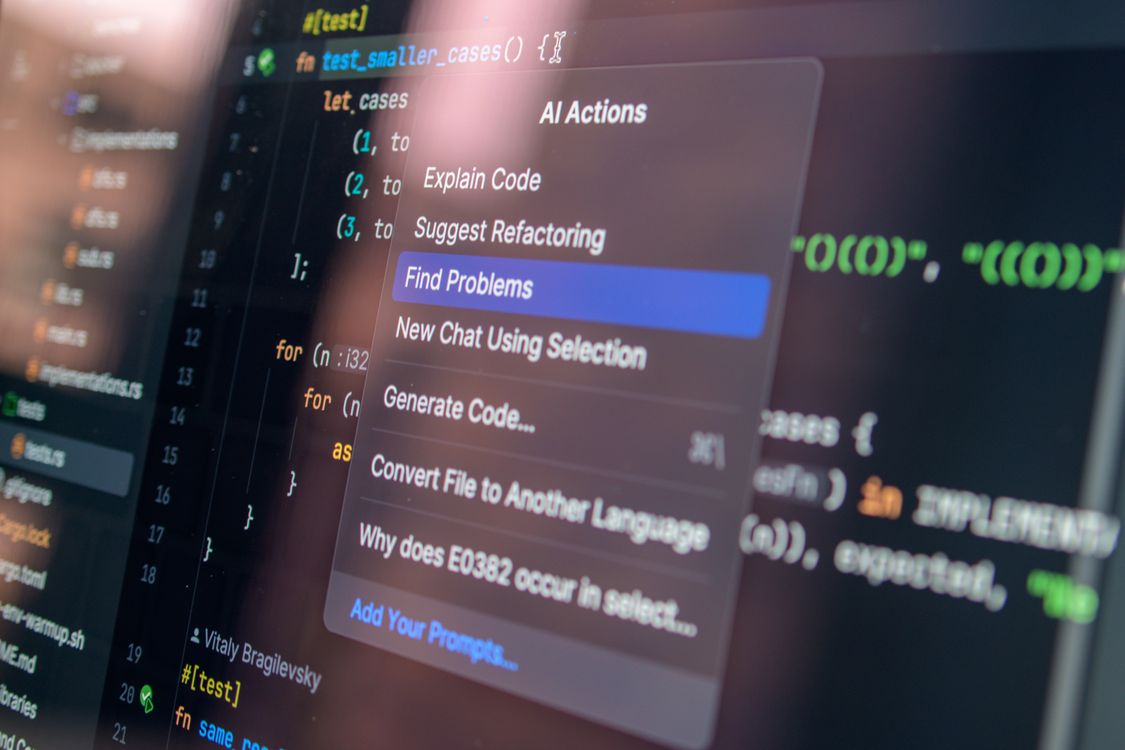
Anthropic has moved its AI deeper into the software factory. On Monday, November 23, 2026, the company launched Claude Ship, a set of three AI agents that carries a GitHub pull request from review, through fixes, to an approval decision — with the team, not the model, deciding where it runs and which changes still need a human.
The launch targets a bottleneck every development team knows: AI now writes code faster than humans can review it. Anthropic says Claude already writes most of the code on its own Claude Code team. Claude Ship is built for everything that happens after the pull request opens.
Here is what Anthropic Claude Ship does, how each of its three agents works, who can use it, what it costs, and the safety controls that matter before a team switches it on.
What Is Anthropic Claude Ship?
Claude Ship is not a single tool. It is three agents that hand a pull request from one step to the next. Anthropic describes the goal in plain language: ship code as fast as teams write it.
The pitch starts with a loop developers know too well: open a pull request, move on, get the review back, stop, dig into old code, push a fix, wait for the checks, then hunt for someone to approve it. Each step is small; together, they are where most of a change’s life is spent.
Claude Ship attacks that waiting. One agent reviews the change, a second fixes what breaks, and a third decides whether the change is routine enough to approve under a policy the team wrote itself. The merge still follows the repository’s GitHub branch rules, and the team controls where each agent runs.
It is also deliberately separate from Claude Code. Claude Code helps a developer write code. Claude Ship works after the pull request opens — and it works whether a person or a coding agent wrote the change. Using Claude Ship does not require Claude Code at all.
The Three Agents Behind Claude Ship
1. Code Review: the agent that finds the problems
Code Review is the oldest of the three and the only one already generally available. It reads a pull request against the wider codebase, checks its findings a second time to weed out false alarms, ranks them by severity, and posts them as inline comments.
It looks for logic errors, security vulnerabilities and broken edge cases, reviewing through several lenses rather than scanning only the changed lines. Each repository can choose a review depth — Quick, Standard or Deep — since usage is billed on tokens.
2. PR Steward: the agent that fixes what breaks
PR Steward is new and in beta. It jumps in on failing continuous integration checks, merge conflicts and review feedback — from Code Review, other review tools or teammates — and pushes commits with its fixes.
Two limits matter. First, PR Steward is designed not to approve or merge pull requests. Its job is fixing, not deciding. Second, it explains itself: after every push it leaves a comment describing what it changed and how to undo it, including the git revert command that rolls the fix back. Developers can steer it by commenting @claude, and stop it with @claude stop.
Because PR Steward runs in Anthropic’s cloud, a pull request does not sit waiting for its author to come back online, and it keeps the branch up to date as the main branch moves.
3. Claude Approvals: the agent that decides what can merge
Claude Approvals is the second new agent in beta, and the one teams will argue about. It applies an approval policy the team writes as a file in the repository, at .claude/approvals.yml. If the policy allows it, Claude can approve routine changes on its own. For anything else, it requires deeper human sign-off.
Anthropic calls the policy file a smarter CODEOWNERS file: instead of mapping paths to people, it maps kinds of change to kinds of decision — and because it lives in version control, it gets reviewed like code.
The decision can weigh several signals, including Code Review’s findings and classifiers the team writes in plain language. Anthropic recommends starting in observe-only mode, so teams can see what Claude Approvals would have approved before letting it approve anything for real.

How the /ship Command Works
For individual developers, the way in is a new /ship command in Claude Code. When a change is ready, you run /ship. Claude commits and pushes the work, opens the pull request, reviews the change, and then watches it for up to seven days — working on failing checks, merge conflicts, reviewer comments and its own findings, and pushing fixes as it goes. You merge it yourself.
A companion /steward command skips the commit and review steps and starts watching a pull request that is already open. The /ship command is rolling out in Claude Code and the desktop app starting November 23, and it needs Claude Code version 2.1.330 or later, GitHub CLI 2.63 or later, and git 2.38 or later.
Admins can also switch Claude Ship on for a whole repository. Anthropic recommends one repository at a time: Code Review first, then PR Steward in manual mode, then Claude Approvals in observe-only mode.
Who Can Use Claude Ship — and What It Costs
Claude Ship is available on Claude Team and Enterprise plans, for repositories hosted on GitHub. There is no support for other git hosts yet, and individual users on Free, Pro, Max or Ultra plans cannot switch it on.
Usage is billed on tokens, so the cost depends on the number and size of pull requests, the review depth, and how much fixing PR Steward does. Anthropic recommends a monthly spending cap.
Eligible Claude Enterprise organisations can claim at least $10,000 in Claude Ship credits to use within 30 days of claiming. The offer must be claimed by January 15, 2027, and terms apply.
There are also hard limits. Claude Ship is not available to organisations using zero data retention, a HIPAA-ready configuration, or customer-managed encryption keys. That will rule out many healthcare and finance teams during the beta.
The Safety Controls That Matter
An AI that approves code should make a team pause, and Anthropic has built the launch around controls rather than asking teams to take the automation on trust.
First, observe-only mode. Run Claude Approvals in observe-only mode first and see what it would have approved before it is allowed to approve anything. Anthropic recommends this step explicitly, and it is the single most important one.
Second, one repository at a time. Enable the agents on a single repository, not across the whole organisation, until the team is comfortable with how they behave.
Third, the policy is a file, not a setting. Because .claude/approvals.yml lives in the repository, the approval logic is a team artifact: reviewed like code, visible to everyone, and changeable through the normal pull request process.
Fourth, GitHub still has the final say: branch protection rules decide what merges, so teams using auto-merge should still require a human approval where one is needed.

What Happens Next
Anthropic’s first data point comes from its own engineering team. On the Claude Code team, merged pull requests more than doubled between June and September 2026, while the share of pull requests that had to be reverted fell by more than 40%. Those are Anthropic’s own internal figures, not an independent benchmark — the company has published no public benchmark for Claude Ship — so they should be read as a claim about what is possible, not a promise.
The launch fits a pattern: November has already brought the Claude Fable 5.2 model and Claude Meetings, which puts Claude inside Google Meet calls. Each launch pushes Claude further into the tools where work actually happens.
What to watch now: whether the beta extends to individual plans and other git hosts; whether the doubled merge rate and the 40% drop in reverts hold outside Anthropic; and how the first policy dispute plays out, when Claude Approvals approves something it should not have. A natural-language approval policy is ambiguous by nature, and the argument will be about who wrote the policy — and who reviewed it.
For now, the facts are straightforward: Anthropic Claude Ship is live in beta, it reviews, fixes and approves pull requests under a policy your team writes, and it is limited to Team and Enterprise plans on GitHub. Whether teams trust it with the merge button will be the real test.
Frequently Asked Questions
What is Anthropic Claude Ship?
Anthropic Claude Ship is a set of three AI agents — Code Review, PR Steward and Claude Approvals — that review GitHub pull requests, fix what breaks, and approve routine changes under a policy the team writes. It launched in beta on November 23, 2026.
Is Claude Ship free?
No. Claude Ship is billed on tokens, on top of a Claude Team or Enterprise plan. Eligible Enterprise organisations can claim at least $10,000 in promotional credits by January 15, 2027.