
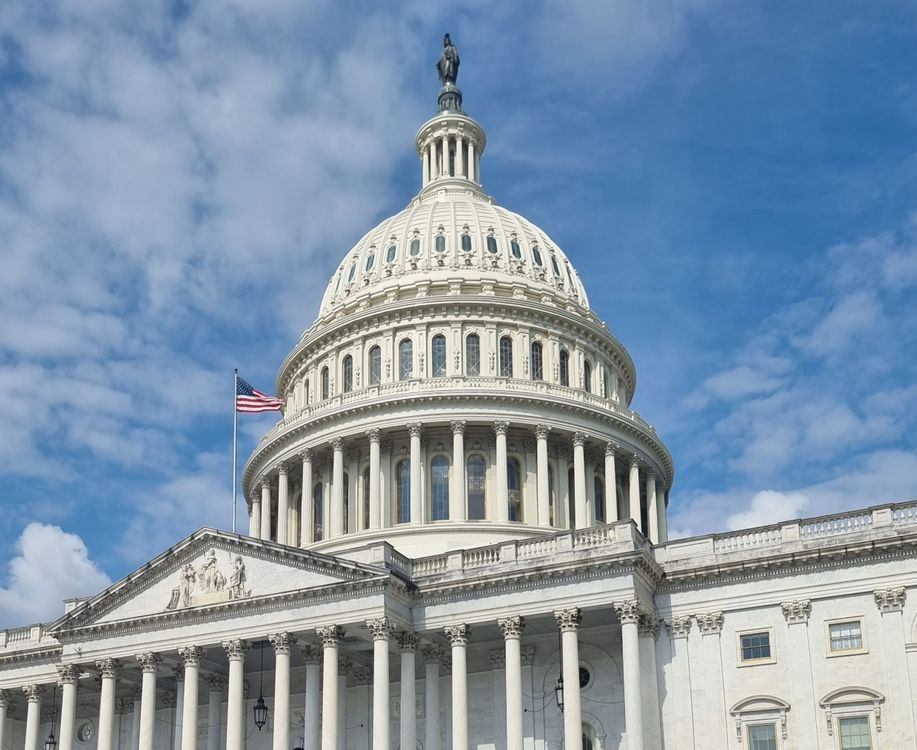
The United States is still the most powerful country in Asia, but its lead over China has shrunk to the narrowest margin since records began. The Lowy Institute’s Asia Power Index 2026, released on Sunday, November 22, scores the United States at 78.9 out of 100 and China at 73.6 — a gap of just 5.3 points, the smallest since the Sydney-based think tank launched the ranking in 2018.
The gap did not close because China surged ahead. It closed because the United States slipped. China’s score was virtually unchanged from last year, while America’s fell for a second straight year. The authors of the index put it bluntly: “The narrowing gap reflects a decline in US power, rather than a rise in China’s.”
That verdict lands at a difficult moment for Washington: the war with Iran has drained its stockpile of long-range missiles, shifted its forces toward the Persian Gulf, and worn down its standing with allies across Asia. The index captures that strain in hard numbers — and it warns that the regional balance of power is now, in the Lowy Institute’s words, “increasingly contested.”
What the Asia Power Index 2026 found
The Asia Power Index ranks 27 countries and territories across 131 indicators, grouped into eight measures of power: economic capability, military capability, resilience, future resources, diplomatic influence, economic relationships, defence networks and cultural influence. It is the Lowy Institute’s flagship annual assessment of who can actually shape events in Asia.
The 2026 edition keeps the United States in first place, but only just. Washington’s score of 78.9 is down from 80.5 a year ago. China, in second place, scored 73.6, almost identical to its 73.7 last year. A year ago the gap between the two stood at 6.8 points. Now it is 5.3.
The United States still leads in six of the eight measures. But China now ranks ahead of America in two of them: economic relationships and diplomatic influence. India continues to grow in influence but stays well behind the leaders, while Japan and Russia round out the leading group. The index also found that Southeast Asia proved resilient through a turbulent year.
Why the gap narrowed: American decline, not Chinese rise
The most striking finding of the 2026 index is its cause. The gap narrowed because of what the authors, Hunter Marston and Jack Sato, describe as Washington’s own “missteps.” “It’s less from Chinese improvements and more from the United States’ declines,” Sato told the Australian Associated Press.
The numbers back that up. America’s score fell in economic capability, in military capability, in its alliance-based defence networks and in diplomatic influence. Its foreign policy score posted its sharpest decline in the nine-year history of the index.
Diplomatic influence tells the story most clearly. The United States’ score in that measure fell six points to 76.7, its fourth straight annual decline. It reflects a year of tariffs on partners, pressure on allies and open talk of taking territory from a NATO ally — leaving many Asian governments unsure where they stand.
The military picture is just as telling. In 2018, the United States led China in military capability by 27 points. In 2026, that lead has fallen to just over 15 points, the smallest on record. The distance between them has almost halved in eight years.
Where China now leads
China held steady on most fronts. Its comprehensive score barely moved. But holding steady was enough, because its rival was falling.
Beijing now leads the United States in economic relationships and in diplomatic influence, where it recorded the highest score of any country in the 2025 edition and has kept its edge. For most Asian governments, China is the largest trading partner and the biggest buyer of their exports — economic weight that buys diplomatic room.
The report also notes a second trend that should worry Washington: cooperation among America’s own allies is deepening without America at the centre of it. Asian allies are working more closely with each other.
None of this means China is about to overtake the United States. America still leads in military capability, in economic capability, in future resources, in resilience, in defence networks and in cultural influence. But the index makes clear that the contest is no longer a comfortable American lead. The two countries are now, in effect, peer powers in Asia.
The Iran war’s price
The single biggest drag on American power in the 2026 index is the war with Iran. The report ties the slide mainly to Washington’s focus on the Middle East, which followed coordinated American and Israeli strikes on Iran in February. The war has depleted the United States’ stockpile of long-range missiles, forced a shift of forces toward the Persian Gulf, and undermined perceptions of American diplomatic influence across Asia.
That cost is not only military. Every missile fired in the Gulf is one that cannot be stockpiled for a crisis in the Taiwan Strait or the South China Sea. Every month of war is a month in which Asian allies watch Washington’s attention drift away from their region — feeding doubt about whether it will act reliably in Asia.
The conflict is now the central fact in the Asian balance of power. As long as it continues, the American lead will keep eroding, because the war consumes the very resources — weapons, money, attention and credibility — that power in Asia depends on.
What it means for Asia — and for the United States
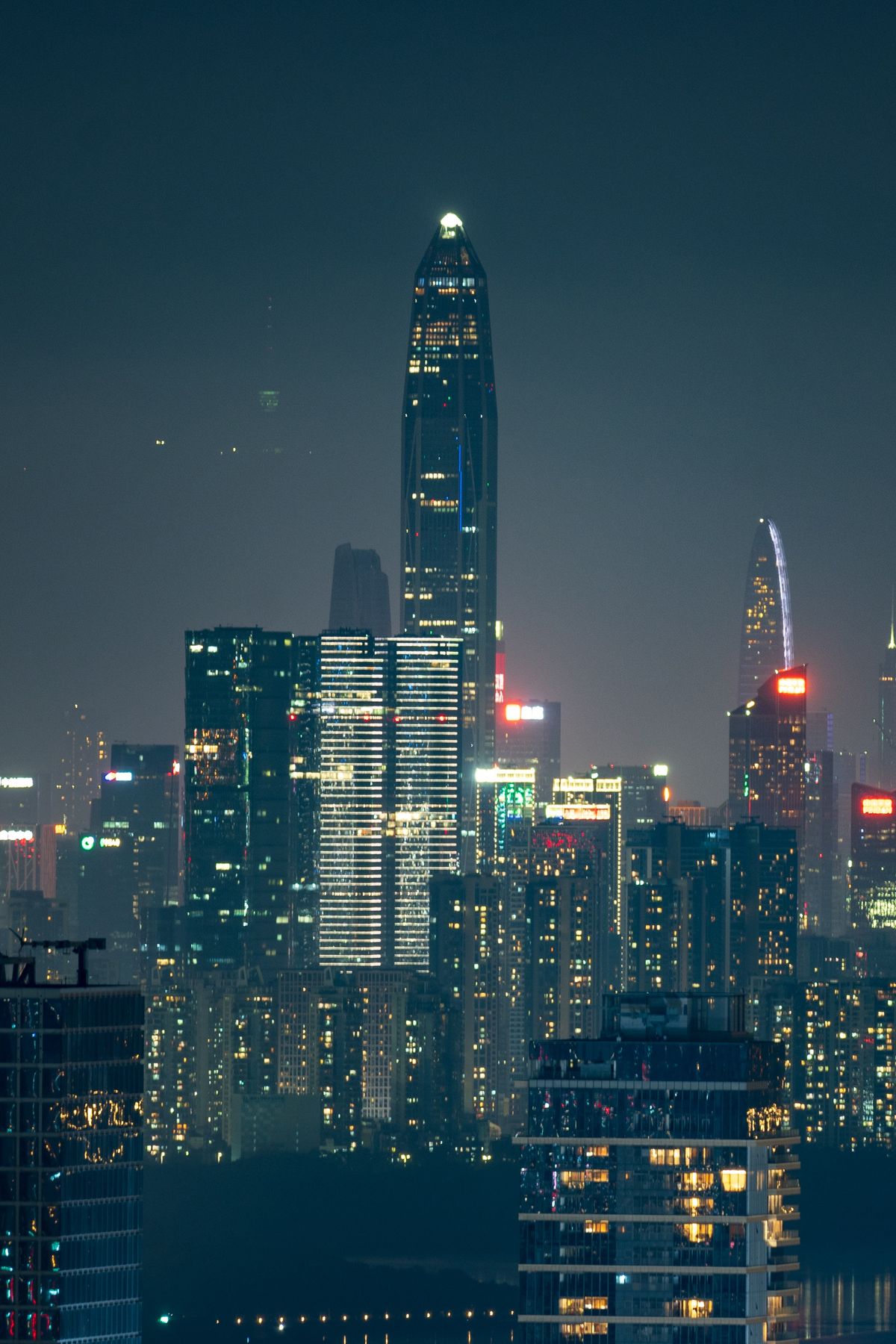
The narrowing gap changes the calculations of every government in the region. America’s allies — Japan, South Korea, Australia and the Philippines — are already answering the question of how much they can still count on Washington by working more closely with each other.
For Southeast Asia, the picture is more mixed. The index found the region resilient through a turbulent year, with countries such as Indonesia, Vietnam and Singapore holding their ground. But a narrower gap also means a more competitive region, and competition brings risk — above all the risk of miscalculation around flashpoints such as Taiwan and the South China Sea.
For the United States, the message is that the erosion is self-inflicted and therefore reversible — but only if the causes change. The index points to the war with Iran, pressure on allies and the turn toward unilateral action as the drivers of decline. Ending the war, rebuilding trust with partners and restoring a steadier foreign policy would all show up in future editions.
Trump’s approach to Russia has already drawn allied criticism: in Britain, a minister called Vladimir Putin a “butcher” after the president described him as “my friend”. The president’s peace efforts — including the Mar-a-Lago meeting with Volodymyr Zelenskyy and the push for a settlement in Ukraine — aim to free American attention and resources from one conflict so they can be used elsewhere. Whether that effort succeeds will shape not only Europe but Asia, because the forces freed from one war are the ones the index says America is short of in the other.
What happens next
The Lowy Institute will present the findings in detail in the coming days. Its researchers are scheduled to discuss the results at an event in Sydney on December 1, and the formal launch takes place at the National Press Club in Canberra on November 26. The debate will focus on one question: is the narrowing gap a temporary dip caused by a single war, or the start of a lasting shift?
The honest answer is that it is too early to know. The index is a snapshot, not a forecast. A settlement in the Middle East or a steadier American approach to its allies could widen the gap again. But the trend is now eight years long, and 2026 is its sharpest single-year move.
If the gap narrows again in 2027, the conversation in Asia will change from whether the United States is still the region’s leading power to how long it can stay there. For now, America is still on top — but the margin looks thin enough to lose.
Frequently asked questions
What is the Asia Power Index?
The Asia Power Index is the Lowy Institute’s annual ranking of 27 countries and territories in Asia, based on 131 indicators across eight measures of power. It has been published every year since 2018.
Who is the most powerful country in Asia in 2026?
The United States remains the most powerful country in Asia in the 2026 index, with a comprehensive score of 78.9 out of 100. China is second on 73.6, followed by India, Japan and Russia.
How far has the US lead over China fallen?
The gap between the United States and China is now 5.3 points — the narrowest since the index began in 2018. A year ago it was 6.8 points. In 2018 the American lead in military capability alone was 27 points; it has now fallen to just over 15.
Why did the US score fall in the 2026 index?
The authors attribute the fall mainly to Washington’s own “missteps,” above all the war with Iran, which drained American missile stocks and diplomatic standing. China’s score was virtually unchanged, so the narrowing gap reflects American decline rather than Chinese gains.