
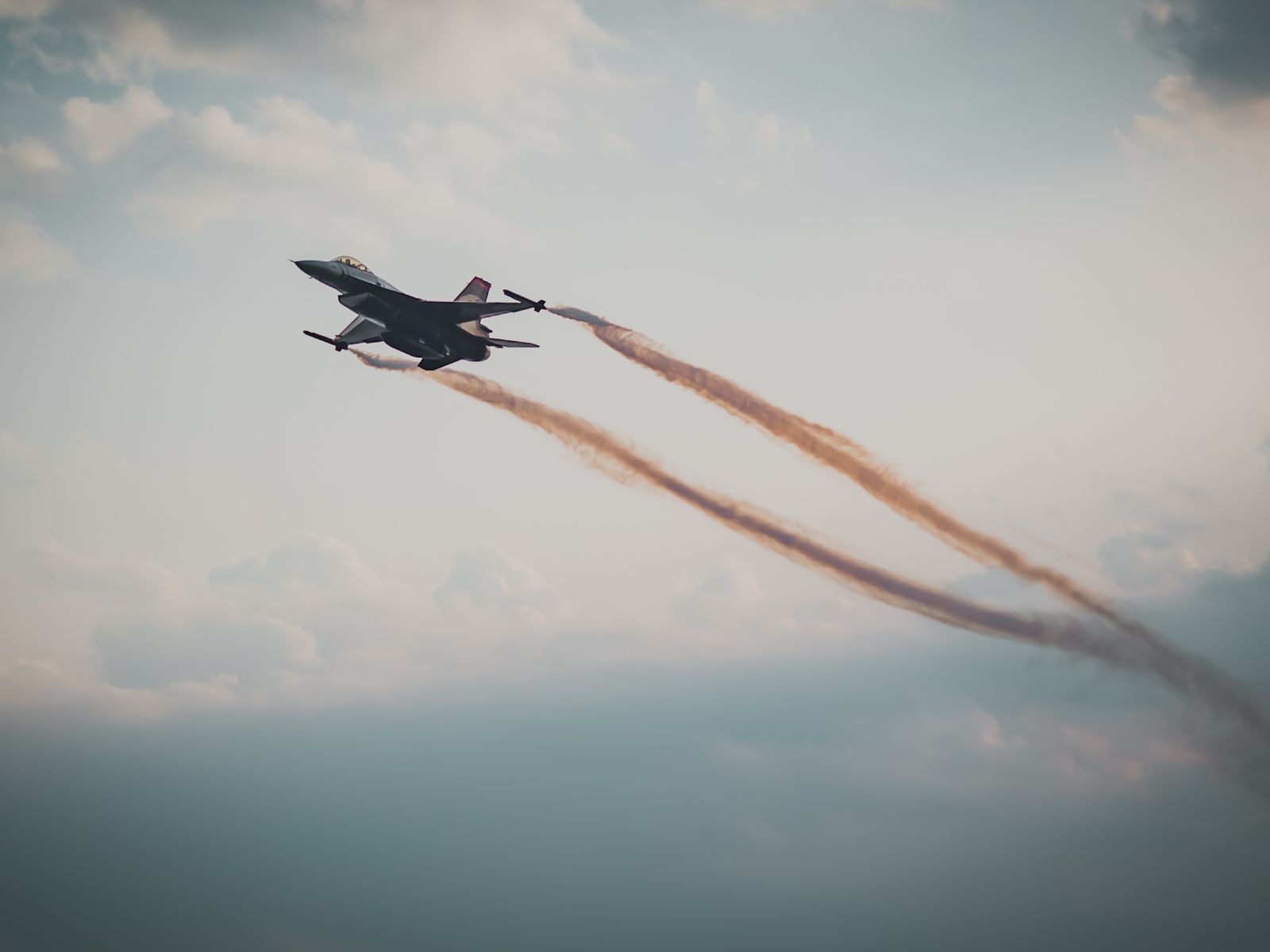
President Donald Trump has confirmed that United States forces carried out new limited strikes against Iran, hitting an air-defence system on Qeshm Island in the Strait of Hormuz on Friday, November 6, 2026. They are the first reported since Tuesday’s midterm elections — and they landed on the same day Trump said Washington’s talks with Tehran were making progress, a collision of military action and diplomacy that now defines the war.
Speaking to reporters on Friday evening after landing in West Palm Beach, Florida, Trump described the operation in blunt terms. “We do minor strikes,” he said. “They knocked out — they built a little bit of an anti-aircraft device, and we knocked it out in about 15 minutes, maybe five.” He did not name Qeshm Island, and when asked directly about it replied: “I don’t want to talk about it.” But his description and the timing matched Iranian reports of two missiles striking the Suza area of Qeshm Island, at the mouth of the Gulf on one of the world’s most important oil shipping routes.
What Trump said in Florida
Trump’s remarks on Friday were brief, and deliberately so. He confirmed that American forces had acted, described the target as a newly built Iranian anti-aircraft system, and moved on. He gave no details about which aircraft or weapons were used, how many were involved, or whether anyone was hurt. He also repeated a claim he has made several times in recent days: that his administration is speaking with representatives of Tehran and that the talks have made “a lot of progress.”
That combination — a strike and a claim of progress in the same breath — has become the pattern of this war. The United States has carried out a series of limited attacks in recent weeks, deliberately kept small so as not to signal a return to major combat. The same island was struck on Monday, November 2, in what a United States official called a defensive measure; Trump confirmed that strike the next day on Fox News, calling it a “minor attack.”
Friday’s operation follows the same template: a quick, limited hit, publicly acknowledged by the president, with no formal Pentagon statement. The difference is the context — Monday’s strike came on the eve of the midterms; Friday’s came after voters had rejected the president’s party.
What happened on Qeshm Island
Iranian state media reported that two missiles struck the Suza area of Qeshm Island on Friday. Tasnim News Agency said there was no official information on damage. Iran’s state broadcaster, IRIB, carried an army statement saying Iranian air-defence forces had intercepted and destroyed an American MQ-9 drone over the island. United States Central Command said the situation on the island was “relatively calm” and offered no further comment.
Qeshm is not a random target. The island is the largest in the Persian Gulf, lying just off Iran’s southern coast at the narrow mouth of the Strait of Hormuz, through which roughly a fifth of the world’s traded oil passes. The United States struck it on June 2, 2026, and again on November 2 — each time at the same kind of target: surface-to-air missiles that could threaten American aircraft near the strait.
The drone claim — and what is not confirmed
Iran’s claim that it shot down an American drone is the least settled part of Friday’s story, and the accounts do not agree. IRIB attributed the shootdown of an MQ-9 drone to Iranian army air defences. Other Iranian accounts described an MQ-1, with differing tallies of American drones supposedly destroyed during the war — 15 in one account, 16 in another. Press TV said two MQ-9 drones had been shot down.
The United States has not confirmed any drone loss, and the reporting does not establish whether the strikes and the drone incident are linked. As of Saturday morning, no official figures on damage or casualties had been released by either side.
What is confirmed is narrower but significant: the president said American forces carried out limited strikes, Iranian state media reported two explosions in Suza, and Central Command described the situation as relatively calm. Everything else — the damage, the fate of any drone, the casualties — remains unverified.
A tanker explosion and a $20 million reward
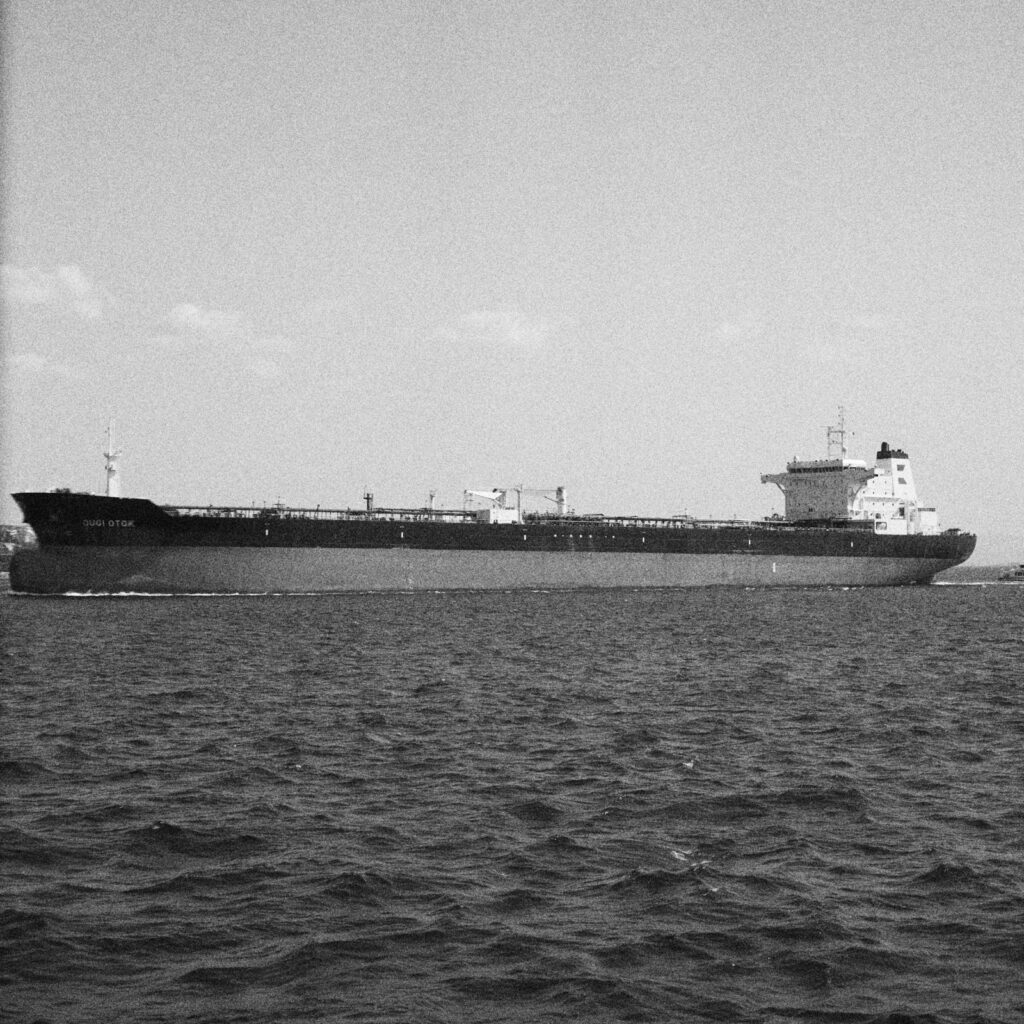
Friday’s strikes did not happen in isolation. On Thursday, November 5, an explosion aboard the Marshall Islands-flagged tanker MT Velos Sapphire in the Persian Gulf killed one seafarer, according to the ship’s manager. The cause remains unconfirmed. The ship was operating in waters that have become a flashpoint in the war, where tankers have burned near the strait in recent weeks.
On the same day, United States Central Command announced a reward of up to $20 million, with possible relocation, for information about Iran’s nuclear programme. The war, which began on February 28, 2026, when the United States and Israel attacked Iran, has always had two tracks: the military campaign in the Gulf, and the effort to stop Iran’s nuclear programme. The reward suggests Washington is still gathering intelligence on the programme even as it talks to Tehran.
Strikes and talks at the same time
The strangest feature of Friday’s news is that the strikes and the diplomacy are happening simultaneously. Trump said his administration was dealing with the Iranians and had made “a lot of progress,” though he gave no details. Iran’s foreign minister, Abbas Araghchi, said on Monday that indirect discussions with Washington through mediators were under way, and Qatar has urged a peace deal.
That is a negotiating tactic both sides have used before: limited strikes put pressure on the other side while talks continue, and talks give each side a reason to keep the strikes limited. The question is whether the balance holds. Reporting this week describes American forces as prepared for further operations, with November 9 mentioned as a possible moment for action — though that date is not a confirmed order, and officials stress no decision on a large-scale campaign has been made. The risk is that one small step is misread, and the talking stops.
Why Qeshm and the Strait of Hormuz matter
A small strike on a small island makes world news because of the strait. The Strait of Hormuz is the only sea route out of the Persian Gulf, and about a fifth of global oil shipments pass through it. When fighting flares near it, oil prices move and shipping insurance rises — which is why even a strike the president calls “minor” carries outsized consequences.
Iran has threatened at various points to close the strait; the United States has said it will keep it open. As of Saturday, it remained open. But the tanker explosion and the strikes are reminders of how thin the margin is: a single incident could close the strait or send oil prices sharply higher, with immediate consequences for fuel and food prices in the United States, Britain and Canada.
That is also why the war matters politically at home. The Bank of England raised interest rates to 4 percent on Thursday, its first increase since August 2023, explicitly citing the war’s effect on energy prices and inflation. In the United States, voters who backed Democrats in the midterms cited the cost of living — gas and food prices driven up by the war — as a central grievance.
The politics at home: Democrats, the Pentagon and Hegseth
The strikes come at a moment of unusual political flux in Washington. Democrats, having won both chambers of Congress on Tuesday, plan to use their new power to scrutinise the war — and some do not want to wait until January. According to reporting this week, they are targeting the Pentagon budget and the war in Iran, with the Golden Dome missile-defence project among the first items in their sights.
That pressure is already visible. Representative Thomas Massie, a Republican from Kentucky, has vowed to force a House vote on impeaching Defense Secretary Pete Hegseth when Congress returns from its midterm recess on Monday, November 9 — a vote that would make Hegseth only the second Cabinet secretary in American history to face impeachment. The articles centre on the war powers question: whether the administration can keep striking Iran without Congress. Friday’s strikes, three days before that vote, will only sharpen the argument.
The administration has also reshuffled its top team. On Friday, Trump named Stephen Miller as his new White House chief of staff, replacing Susie Wiles. Miller takes over on Monday, November 9 — the same day Congress returns and the Hegseth vote is expected.
What happens next
Three things to watch. First, whether the United States carries out further strikes, and whether November 9 — a date mentioned in some reporting — turns out to mean anything. Second, whether the talks Trump says are making progress produce anything concrete. And third, whether the new Democratic Congress moves to restrict the war when it is seated in January — and whether Monday’s Hegseth impeachment vote gives that effort an early test.
For now, the picture is this: the United States struck Iran again on Friday, the president called it minor, Iran claimed it shot down an American drone, and both sides say they are still talking. The war continues in small steps, the strait stays open, and the politics at home are about to get much louder.