
Paraguay has a new president — and its former president is under house arrest. Paraguay president Santiago Pena removed from office — on Friday, November 6, 2026, Paraguay’s Senate voted to remove President Santiago Peña from office over the collapse of the digital bank Ueno, ending a presidency that unravelled in less than a week. Within the hour, Vice President Pedro Alliana was sworn in as the country’s 53rd president, and prosecutors ordered Peña detained at his home in Asunción while they investigate suspected breach of trust and other alleged offences linked to the failed bank.
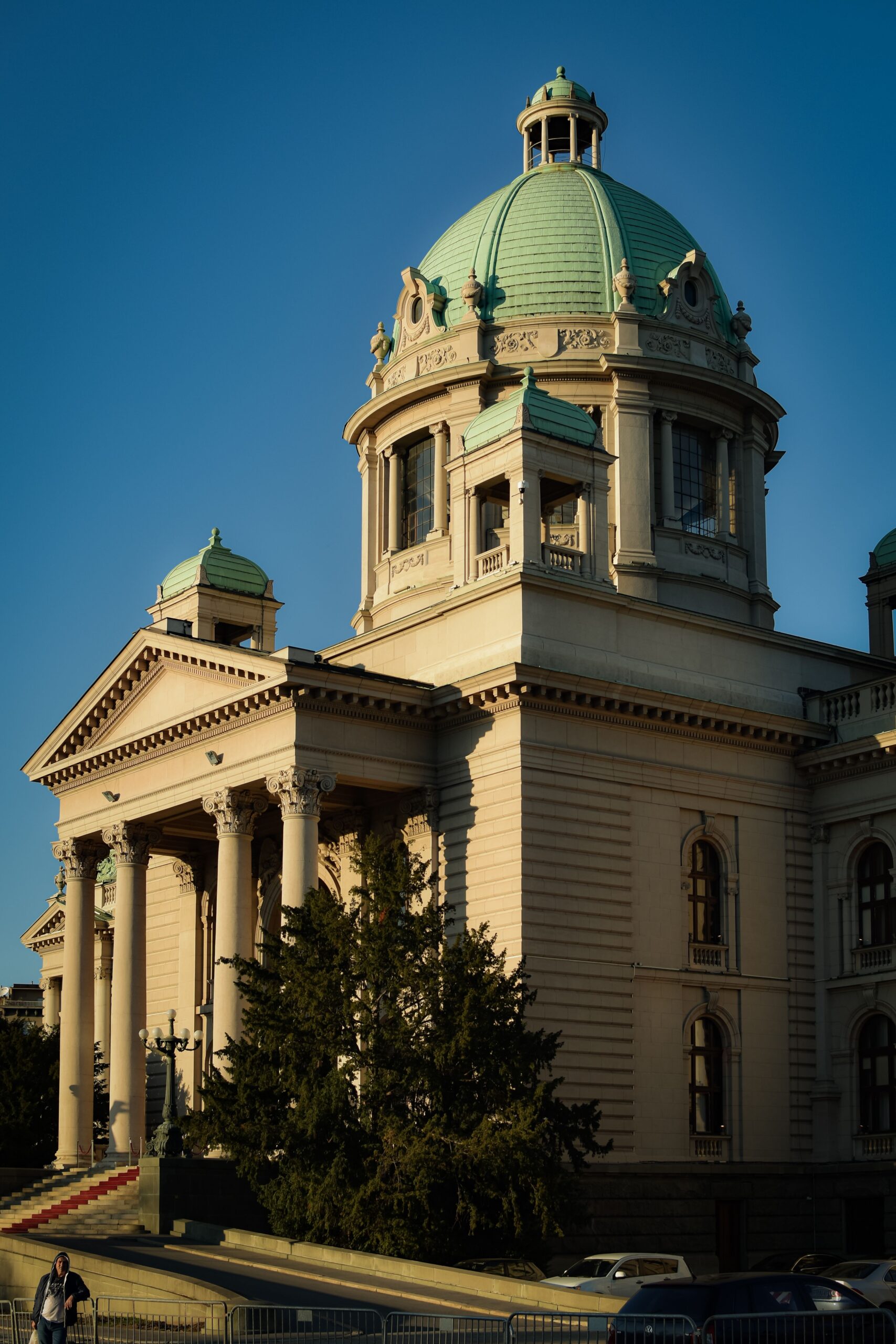
The Senate declared Peña guilty of poor performance in his duties, the constitutional ground for impeachment in Paraguay. All 44 senators present voted for his removal; the 45th senator was absent. Removal required the votes of 30 of the 45 senators, so the verdict was never in serious doubt once the trial began — but its speed stunned even seasoned observers of Paraguayan politics. The Chamber of Deputies had voted 78–0 on Thursday to approve the impeachment charges, with Peña’s own governing Colorado Party backing proceedings against its own president.
Peña, 47, is only the second president in Paraguay’s history to be removed through impeachment, after Fernando Lugo in 2012. He is also the first to be placed under house arrest within hours of losing office. Prosecutors said he would be questioned on Saturday morning by the Economic Crimes and Anti-Corruption Unit, and that charges were still being determined but could include influence peddling and misappropriation of funds. The investigation, registered as case 92/2026, is examining suspected breach of trust — known in Spanish as lesión de confianza — and other alleged offences connected to the supervision and collapse of Ueno Bank. These are allegations, not findings, and Peña denies any wrongdoing.
A Senate trial that lasted barely a day
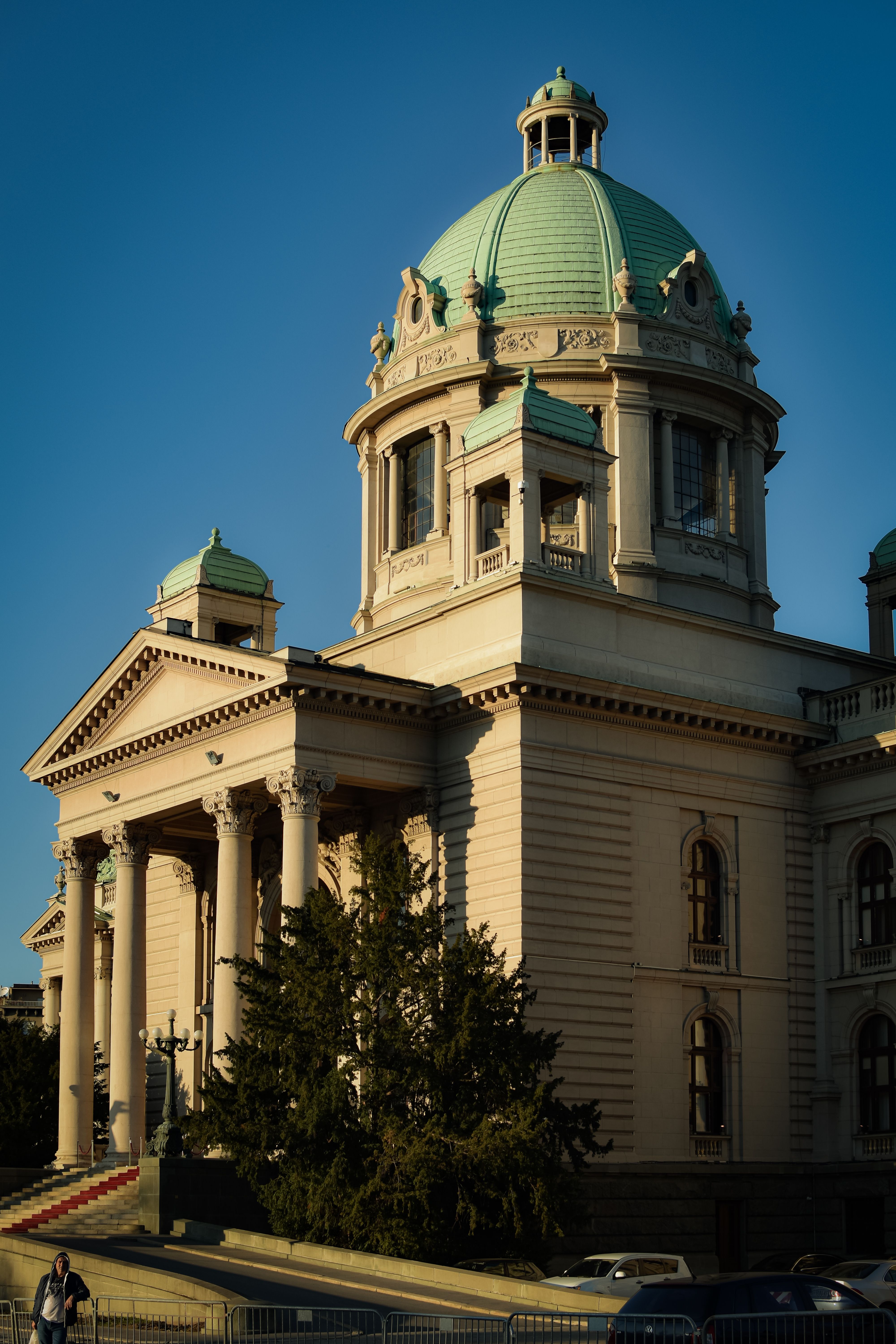
The Paraguay impeachment trial moved with extraordinary speed. The Senate opened proceedings on Thursday night, with deputies serving as prosecutors presenting the charges. Peña was summoned to present his defence on Friday at 10 a.m., senators debated the case, and the vote followed within hours. By Friday evening, dozens of protesters had gathered outside Peña’s residence in Asunción, and police had installed a security cordon around the property.
Prosecutors moved almost immediately after the Senate vote. Peña was placed under house arrest at his residence on suspicion of breach of trust, and he was ordered to appear before the Public Prosecutor’s Office on Saturday morning. Prosecutors speaking outside his house said charges were still being determined but could include influence peddling.
The legal net widened beyond the former president on the same day. Prosecutors issued an arrest warrant for Carlos Carvallo, the central bank chief who resigned earlier in the week. Carvallo had headed Ueno Bank until 2023 before taking over the central bank — a connection at the heart of the scandal. Eight former Ueno executives have already been detained, and prosecutors have charged 27 bank officials and associates with breach of trust and attempted fraud. Others from Peña’s inner circle also resigned during the week, including his interior minister, his chief of staff and two advisers.
Pedro Alliana takes over — and inherits a crisis
Pedro Alliana, 52, was sworn in as Paraguay’s new president before a special joint session of Congress on Friday evening, hours after the Senate’s vote. A veteran of the conservative Colorado Party and a former speaker of the lower house, Alliana had served as Peña’s vice-president since August 2023. He will serve out the remainder of Peña’s term, which runs until 15 August 2028.
Alliana pledged that he would not turn his back on the nearly three million depositors whose savings were frozen when Ueno collapsed. His first task is restoring confidence in a government and a financial system that have both been shaken to their foundations in a single week.
Alliana’s own path to the presidency had been cleared a day earlier, when the Chamber of Deputies rejected an opposition motion to impeach him as well, by 48 votes to 30. Regulators have sought to reassure markets by guaranteeing most deposits and containing risks to the wider financial system. But investors are watching closely, especially in neighbouring Brazil, Paraguay’s largest economic partner. A Brazilian government source told Reuters that Brazil’s immediate concern was avoiding social instability in Paraguay and ensuring the banking crisis is resolved without triggering wider unrest.
How Ueno Bank collapsed
Ueno was Paraguay’s largest digital lender, with about 2.9 million customers — close to half the population of the small South American country. Launched in 2021, it grew rapidly into the country’s fifth-largest bank by deposits, and its customers included many people who had never previously had access to a bank account.
The collapse began when regulators discovered that the bank’s finances were far weaker than they appeared. On Monday, November 2, the board of the Central Bank of Paraguay voted unanimously to place Ueno in resolution, taking control of the bank the following day. Officials found that its solvency ratio had fallen to 5.56 percent, against a legal minimum of 12 percent — less than half of what the law requires. A review of the bank’s books uncovered poorly documented loans and expenses that had been incorrectly counted as assets.
The intervention froze the accounts of a bank that held about $800 million in public deposits in October, equivalent to nearly a quarter of its total deposits. That public money included funds from the government pension and health fund and from hydroelectric dam operators, raising questions about how state money ended up in a failing private bank and who approved the deposits.
For ordinary savers, the consequences were immediate. The bank’s app, cards and branches were shut down, leaving customers unable to withdraw or transfer their money. Peña approved emergency legislation to help accelerate payments to affected depositors, and some account holders began recovering their money on Thursday. He had promised to repay 98 percent of depositors under the emergency law — a promise millions of anxious savers will now be watching his successor to keep.
The resignation that never took effect
Thursday brought one of the strangest days in Paraguayan political history. Peña announced his resignation in a pre-recorded video message posted on X, saying he was stepping down over the Ueno Bank crisis. Almost at the same moment, the Chamber of Deputies voted 78–0 to approve impeachment charges against him and send the case to the Senate.
The charges had been filed by 35 opposition and dissident ruling-party deputies, and even Peña’s own Colorado Party backed the proceedings. Former President Horacio Cartes, who leads the governing party and mentored Peña, endorsed the impeachment — a decisive break between the president and the political machine that put him in power.
But the resignation never took effect. A joint session of both chambers of Congress, convened to rule on the resignation, ended without a quorum after Colorado Party senators walked out. Without a quorum, the resignation could not be accepted, and Peña remained in office. Hours later, Peña said on X that he would face the trial. “Given that the impeachment trial is continuing, I will appear and exercise my right to a defense. I will do so with arguments and evidence, with respect for the Constitution and the institutions of the Republic,” he wrote.
Opposition senators pressed for removal rather than letting the resignation stand. According to the Associated Press, they argued that resigning would allow Peña to claim a lifetime Senate seat whose legal protections might stop him from being prosecuted. By completing the impeachment instead, Congress stripped him of the immunity normally granted to former presidents — which is why prosecutors were able to move against him within minutes of the Senate vote.
Why Paraguay president Santiago Pena removed from office: the charges against him
The impeachment charges that led to Peña’s removal alleged that he had conflicts of interest, manipulated regulatory oversight, diverted pension funds and participated in an institutional cover-up involving the central bank. At the centre of the case is his past connection to the bank itself: Peña was until last year a shareholder in the holding company that owned Ueno, and central bank chief Carlos Carvallo had headed the bank until 2023.
Peña denied any wrongdoing and said the affair was a regulatory issue. The central bank has denied any conflict of interest, saying Carvallo recused himself from all decisions related to Ueno. But the combination of the shareholding, the regulatory failures and the public money deposited in the bank proved politically fatal once the scale of the collapse became clear.
The criminal cases are running on a separate track. Attorney General Emiliano Rolón Fernández has ordered three criminal investigations, covering allegations involving Peña and other current and former officials, the supervision of the bank and the handling of its collapse, and the deposit of public funds with the institution. Courts have also ordered preventive seizures of $70 million and 1.62 trillion guaraníes in assets belonging to directors and shareholder companies, as investigators trace where the bank’s money went.
The streets demand their money back
The political crisis has spilled onto the streets. Demonstrators have flocked to downtown Asunción demanding accountability for Ueno’s collapse and faster compensation for depositors whose savings remain frozen. Small groups of protesters gathered opposite the central bank’s headquarters on Friday, chanting, “We want our money.”
Those unable to access their accounts include pensioners who receive state benefits through Ueno. The anger is not only about the bank. It is about a political class that many Paraguayans believe protected its own interests while ordinary savers paid the price. “Protests over frozen savings will intensify if Peña’s exit appears to grant him impunity or if payouts to depositors and pensioners stall,” said Mariano Machado, Americas principal analyst at Verisk Maplecroft.
What happens next
Saturday morning brings the next decisive moment, when Peña appears before prosecutors to be questioned about the allegations against him. The criminal cases against the bank’s executives will move toward trial, the first depositor repayments will continue, and the three investigations ordered by the attorney general will keep digging into how public funds were deposited in Ueno and who knew the bank was in trouble.
For President Alliana, the challenge is immediate and unforgiving. He must reassure three million depositors, steady a rattled financial system, hold together a governing party that has just removed its own president, and show that Peña’s exit means accountability rather than impunity. How quickly savers get their money back will be the first test of his presidency — and the one Paraguayans will judge him on.
Why this matters beyond Paraguay
The crisis is about more than one president or one bank. Ueno served close to half of Paraguay’s population, and its collapse has shaken confidence in digital banking across a region where millions of people have only recently gained access to financial services through their phones. If a bank that grew that fast can fail that suddenly, regulators and savers across Latin America will be asking hard questions.
It is also a striking test of democratic institutions. Within days of the bank’s seizure, Paraguay’s central bank, prosecutors, courts and Congress have all acted — and the governing party itself moved against its own president. That speed, and the cross-party nature of the impeachment vote, sets the episode apart from the slower-moving political crises that have toppled presidents elsewhere in Latin America.
For Paraguay’s neighbours and for investors, the question now is whether the country can resolve the crisis cleanly: repay depositors, hold those responsible to account, and complete a constitutional transfer of power without prolonged instability. Friday’s vote — Paraguay president Santiago Pena removed from office — answered the transfer question. The rest is still open — and the answers will shape Paraguayan politics long after this week is over.